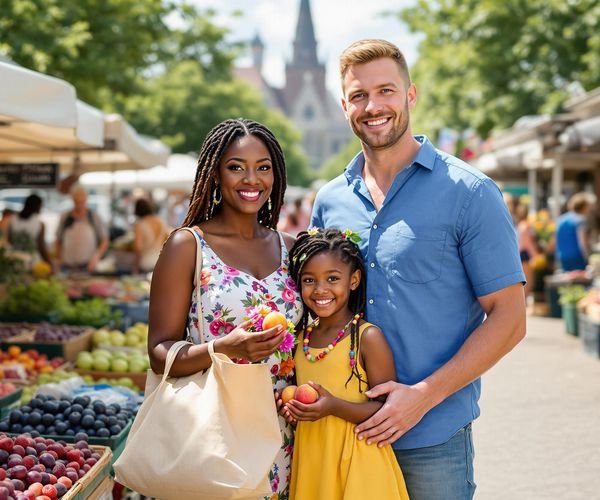
As a Burkinabé woman living in the Netherlands, I've experienced firsthand the transformative power of language. It's more than just a tool for communication; it's a bridge to understanding different cultures, forging meaningful connections, and enriching your travel experiences. So, pack your bags and let’s learn more about the importance of language learning in travel!
Why Learning a Language Enhances Travel
Learning a language before embarking on your travels can profoundly impact your journey. It’s not just about ordering food or asking for directions; it’s about unlocking a deeper understanding of the culture you're visiting.
- Deeper cultural understanding and appreciation: Language is intertwined with culture. By learning the local language, you gain insights into the nuances, traditions, and values of the people.
- More meaningful connections with locals: Speaking even a few phrases can open doors to genuine interactions. Locals appreciate the effort, making them more willing to share their stories and perspectives.
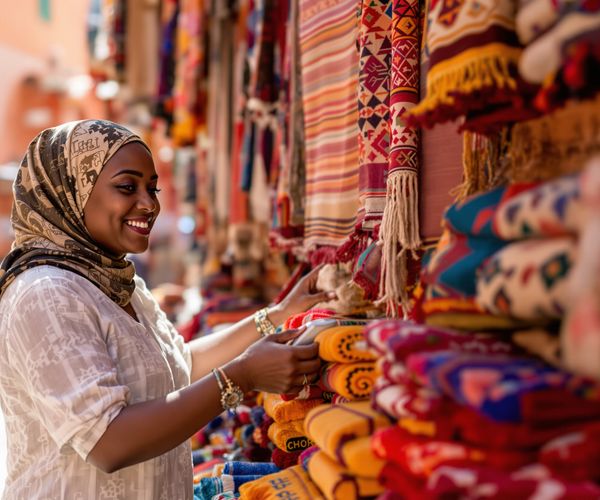
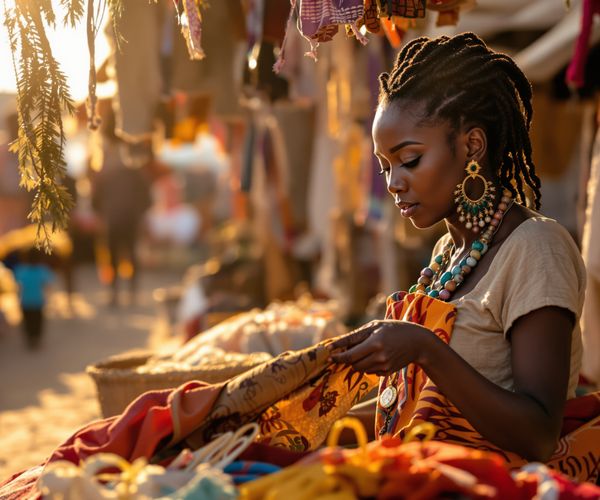
- Enhanced travel experiences beyond tourist spots: Venture off the beaten path and discover hidden gems. Knowing the language allows you to navigate local markets, interact with artisans, and experience authentic cuisine.
- Increased safety and confidence while navigating foreign lands: Understanding basic phrases can help you in emergencies, whether you need to ask for help or understand important signs.
- Avoiding cultural faux pas and showing respect: Every culture has its own set of customs and etiquette. Learning the language helps you avoid unintentional offenses and demonstrate respect for local traditions.
Personal Anecdote: My Experience Bridging Cultures Through Language
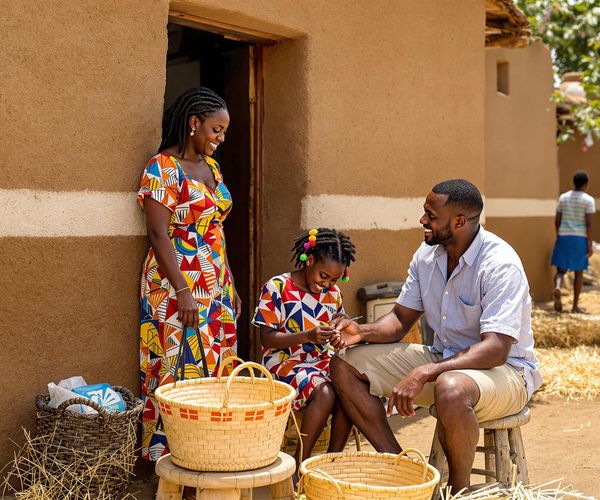
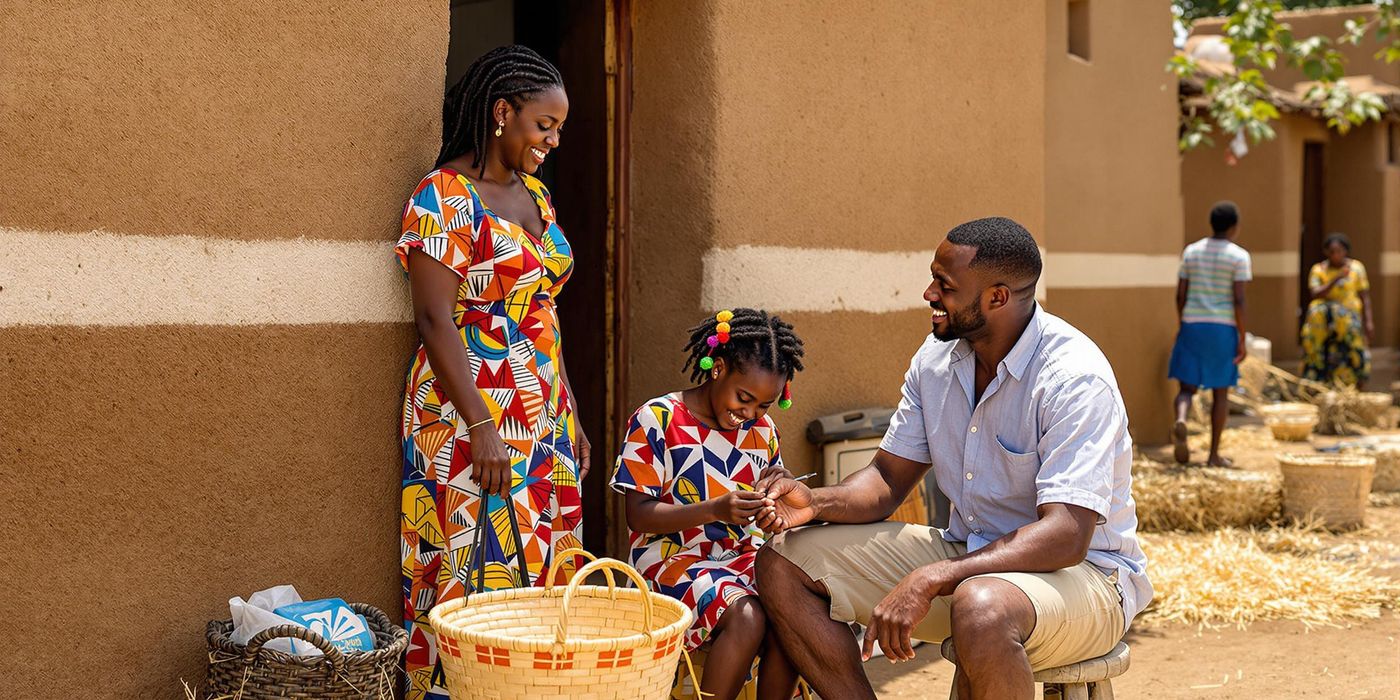
I remember traveling to a small village in Burkina Faso, a place where few tourists ventured. My husband, Jan, and our daughter, Amina, were with me. While I could communicate effortlessly, Jan, who hadn't grown up immersed in the local languages as I had, found it challenging at first. However, he had diligently learned a few phrases in Moore, one of the local languages, before our trip.
One afternoon, we visited a local artisan who crafted beautiful handwoven baskets. Jan, using his limited Moore, complimented the artisan on his work. The artisan's face lit up, and he began sharing stories about the basket-making process, the significance of the patterns, and the history of his craft. It was a moment of genuine connection, one that wouldn't have been possible without Jan's effort to speak the language. It allowed us to move past the surface and truly appreciate the cultural significance behind the craft.
That experience underscored for both of us how even a basic understanding of the local language can transform a travel experience, fostering deeper connections and cultural insights.
Essential Phrases for the Beginner Traveler
Starting with the basics can make a big difference. Here are some essential phrases to get you started:
- Greetings and basic polite expressions: Hello, Goodbye, Please, Thank you
- Essential questions: Where is…?, How much does it cost?
- Numbers for shopping and transportation: Knowing how to count is crucial for bargaining and understanding prices.
- Food-related vocabulary: Ordering at restaurants and markets becomes much easier with basic food vocabulary.
- Emergency phrases: Help!, I need a doctor
Effective Language Learning Methods for Travelers
There are numerous ways to learn a new language, each with its own advantages and disadvantages. Here are a few effective methods for travelers:
- Language learning apps:
- Duolingo: Great for building vocabulary and grammar basics, but may lack cultural context.
- Babbel: Offers more structured lessons and focuses on practical conversations.
- Memrise: Uses spaced repetition to help you memorize words and phrases effectively.
- Online language courses and websites: Platforms like Coursera and Rosetta Stone offer comprehensive language courses.
- Language exchange partners: Websites like HelloTalk and Tandem connect you with native speakers for language exchange.
- Immersive language experiences: Consider attending language schools or participating in cultural exchange programs for intensive learning.
- Utilizing bilingual teaching materials: Books and other materials that provide translations can be very helpful for understanding the meaning of words and phrases.
Tips for Immersing Yourself in the Language
Immersion is key to language learning. Here are some tips to help you immerse yourself in the target language:
- Labeling items around the house: This helps you associate words with everyday objects.
- Listening to music, podcasts, and radio: Expose yourself to the rhythm and intonation of the language.
- Watching movies and TV shows with subtitles: Start with subtitles in your native language, then switch to the target language.
- Changing the language settings on your phone and computer: This forces you to interact with the language daily.
- Finding local cultural events and meetups in Delft related to the target language: Delft, being a diverse city, often hosts events where you can practice your language skills. Check local community boards and cultural centers.
Unlock deeper travel experiences by learning a new language. Discover how language enhances cultural understanding, fosters meaningful connections, and enriches your adventures.