Understanding Cultural Sensitivity
Cultural sensitivity in travel means being aware of and respecting the customs, beliefs, and values of the people and communities you visit. It's about recognizing that your own culture is not the only one, nor is it necessarily the right one. It requires empathy, an open mind, and a willingness to learn. Why does it matter? Because culturally sensitive travel fosters respect, avoids misunderstandings, and ensures a positive impact on both travelers and local communities.
I remember once in Burkina Faso, Jan unknowingly almost caused offense by using his left hand to offer a gift. In many parts of West Africa, the left hand is considered unclean. It was a simple mistake, but it taught us the importance of being mindful of local customs. These experiences highlight why cultural awareness is so important.
Pre-Trip Research and Preparation
Before embarking on any journey, I dedicate time to researching the destination's culture, customs, and traditions. The internet is a treasure trove of information! I use online resources, travel guides, documentaries, and travel blogs to gain insights. For instance, when we planned a trip to Japan, I watched documentaries about Japanese tea ceremonies and read articles about the significance of bowing. This helped us understand the nuances of Japanese culture and avoid potential faux pas.
Learning basic phrases in the local language is also crucial. Even a simple hello or thank you can go a long way in showing respect. Before visiting Italy, I made sure to learn how to say Buongiorno and Grazie. It made our interactions with locals much warmer and more meaningful. Understanding local etiquette, including greetings, dining customs, and social norms, is equally important.
Respecting Local Customs and Traditions
One of the most visible ways to show respect is through your attire. Being mindful of dress codes, especially when visiting religious sites or conservative areas, is essential. When we visited a mosque in Turkey, I made sure to wear a headscarf and dress modestly, as required. Respecting local dining etiquette and food-related customs is also crucial. In some cultures, it's considered impolite to start eating before the host, while in others, finishing all the food on your plate is a sign of appreciation.
Observing and adapting to local social interactions and non-verbal communication can also enhance your experience. For example, in some Asian countries, maintaining eye contact is considered disrespectful, while in Western cultures, it's a sign of attentiveness. In Japan, you should remove your shoes before entering someone's home. In India, it's customary to use your right hand for eating and giving objects.
Engaging with Local Communities
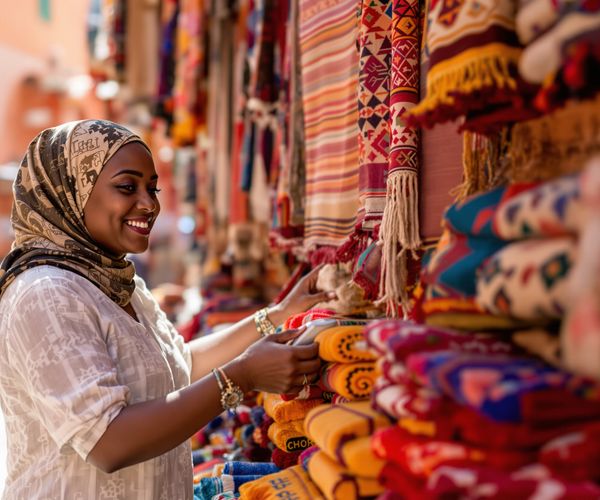
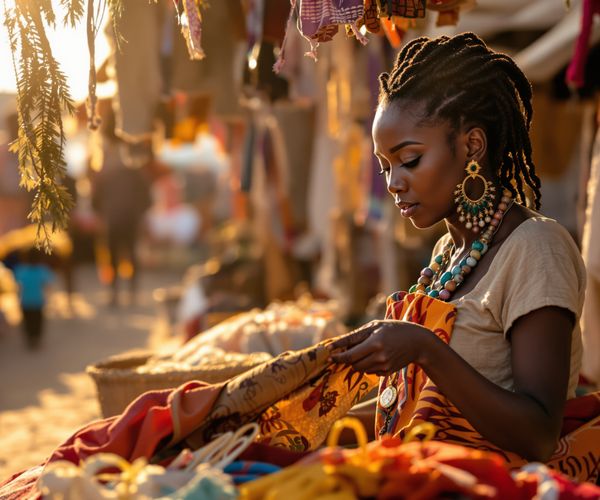
Supporting local businesses, artisans, and community-owned accommodations is a fantastic way to contribute to the local economy and experience authentic culture. Instead of staying at large international hotel chains, consider guesthouses or family-run hotels. When purchasing souvenirs, opt for locally made crafts rather than mass-produced items.
Participating in local festivals, workshops, and cultural experiences can provide deeper insights into the community's way of life. We once attended a traditional weaving workshop in Guatemala, where we learned about the intricate art of textile making from local artisans. Seeking out opportunities for meaningful cultural exchange and interaction with locals is invaluable. Be open to learning from locals and avoid imposing your own customs. Visit local markets and neighborhoods to experience the everyday life of the community.
Responsible Environmental Practices
Cultural sensitivity extends to the environment. Minimizing your environmental impact by avoiding littering and respecting natural landscapes is paramount. Choose eco-friendly accommodations and transportation options whenever possible. Support conservation efforts and responsible wildlife tourism. Be mindful of water usage and waste reduction. Consider staying longer in one region to reduce your overall travel impact. By adopting these practices, you can help preserve the natural beauty and resources of the places you visit.
Addressing Potential Cultural Missteps
Despite our best efforts, mistakes can happen. It's important to acknowledge them and learn from them. Be open to feedback and willing to apologize for unintentional offenses. Avoid assumptions and stereotypes, and approach every interaction with curiosity and respect. Turn frustrating situations into learning opportunities. Remember, travel is a journey of discovery, and cultural missteps are part of the process.
By embracing cultural sensitivity, we can travel more responsibly and create meaningful connections with people from all walks of life. It enriches our experiences, broadens our perspectives, and fosters a more understanding and compassionate world. So, pack your bags, open your mind, and embark on a journey of cultural discovery!
Learn how to travel responsibly by embracing cultural sensitivity. Understand local customs, learn basic phrases, and respect traditions for enriching experiences.