The Essence of Culinary Travel
Culinary travel, as I see it, is about so much more than ticking off dishes on a menu. It's about immersing yourself in the heart of a culture, one delicious bite at a time. In 2025, with tourism evolving, culinary travel is gaining importance as people seek more meaningful experiences. Food is a universal language. It speaks of a community’s values, its history, and its traditions. Growing up in Burkina Faso, I saw how every meal was a celebration of our heritage. From the simple yet flavorful tô to the elaborate celebrations with riz gras, food was always central to our lives. These early experiences shaped my understanding that food truly is a gateway to understanding different cultures.
Discovering Authentic Culinary Experiences
Stepping away from the well-trodden tourist paths is key to unlocking authentic culinary experiences. Forget the generic restaurants catering to international tastes; instead, seek out the hidden gems where locals gather. My advice? Dive headfirst into local food markets, sample street food with gusto, and venture into family-run restaurants where recipes have been passed down through generations.
I remember stumbling upon a tiny, unassuming eatery in Marrakech, Morocco. The aroma of tagine simmering over charcoal drew me in. Inside, a family was preparing the evening meal, and they welcomed me with open arms. Sharing that tagine, filled with tender lamb and fragrant spices, was more than just a meal; it was a connection to Moroccan hospitality and tradition. These are the moments that transform a trip into a true cultural exchange.
Supporting Local Food Markets and Producers
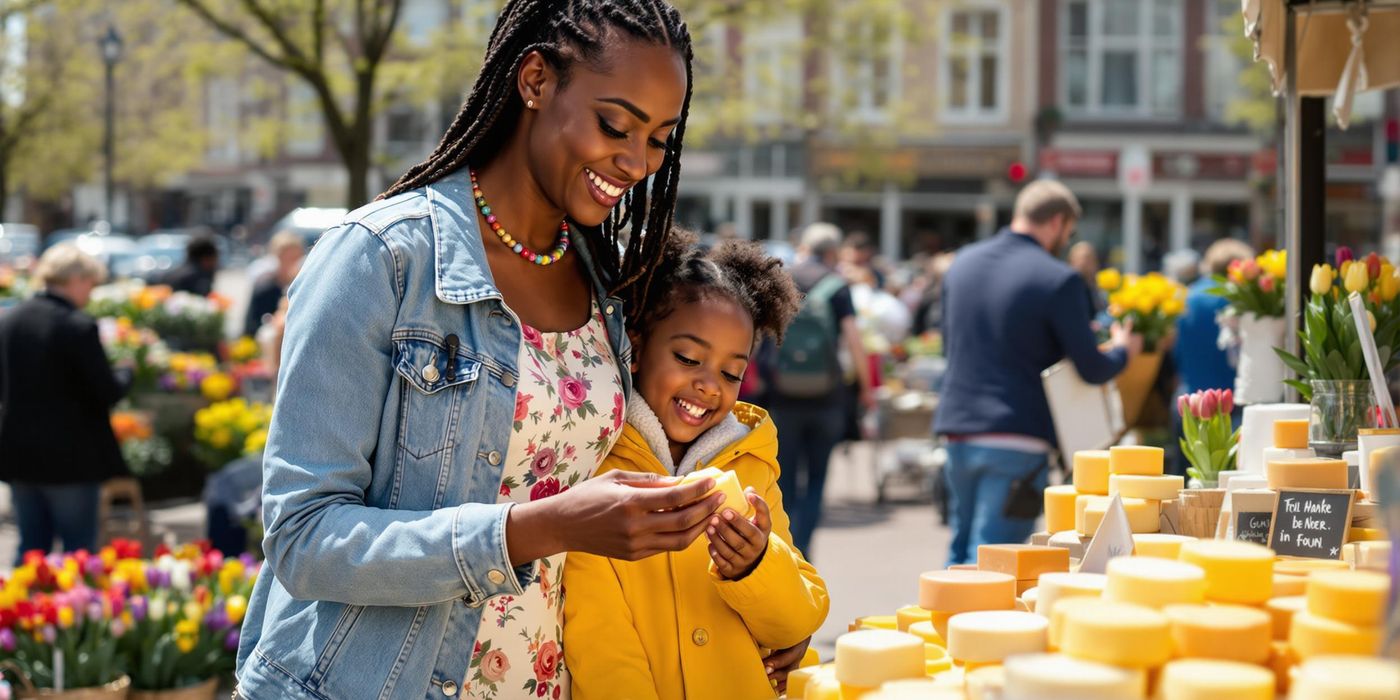
One of the most rewarding aspects of culinary travel is the opportunity to support local food markets and producers. By choosing to buy directly from farmers and artisans, you’re not only getting the freshest ingredients but also contributing to sustainable tourism. This support provides economic benefits for local communities, helping to preserve traditional farming practices and culinary heritage.
Think of the vibrant Swabian Alb in Germany, where local food initiatives thrive. Farmers markets overflow with regional specialties, from Maultaschen to Swabian potatoes, directly supporting the local economy and preserving unique culinary traditions. My own experiences visiting local farmers markets here in Delft connect me to the community and remind me of the importance of knowing where your food comes from.
Trying Traditional Dishes: A Cultural Immersion
To truly immerse yourself in a culture, you must be willing to try traditional dishes, even if they seem unfamiliar or intimidating at first. Traditional recipes and cooking techniques often reflect the history and values of a community, offering a glimpse into their unique identity. Food plays a vital role in social gatherings, religious ceremonies, and rites of passage, further emphasizing its cultural significance.
I'll never forget the first time I tried Al-Mansaf in Jordan. This traditional Bedouin dish, consisting of lamb cooked in fermented dried yogurt and served with rice, is more than just a meal; it's a symbol of hospitality and generosity. Sharing Al-Mansaf with a Jordanian family taught me about their values and the importance of community. Similarly, exploring the nuances of Harissa in Tunisia or learning to make Ukrainian borscht reveals layers of history and cultural identity.
Insights from Chefs and Food Enthusiasts
To gain a deeper understanding of the connection between food and culture, I always seek out the insights of chefs and food enthusiasts who specialize in regional cuisines. These experts view food as a reflection of cultural identity and history, often blending tradition with innovation to create unique culinary experiences.
I recently spoke with Chef Pierre, who runs a small bistro in Lyon, France. He told me, Food is our story. Every dish tells a tale of our ancestors, our land, and our traditions. We must honor that story while also pushing the boundaries of creativity. His passion for cooking and his ability to connect people through food is truly inspiring. It’s about sharing stories, creating memories, and celebrating the rich tapestry of human culture.
Food as Intangible Cultural Heritage
Food is increasingly recognized as an integral part of intangible cultural heritage, passed down through generations. Traditional recipes, cooking techniques, and dining etiquette reflect cultural values and beliefs, preserving a community's identity. UNESCO's Intangible Cultural Heritage list includes several food-related customs, highlighting their importance in maintaining cultural diversity.
For example, the Mediterranean diet, with its emphasis on fresh, local ingredients and communal meals, is recognized by UNESCO for its cultural and social significance. Access to traditional foods plays a crucial role in preserving this heritage, ensuring that future generations can continue to connect with their cultural roots. As travelers, we have a responsibility to support these traditions by seeking out authentic culinary experiences and respecting local customs.
Embark on a culinary journey and learn how to explore different cultures through their traditional cuisines. Fatimata Sawadogo shares her insights on authentic culinary experiences.