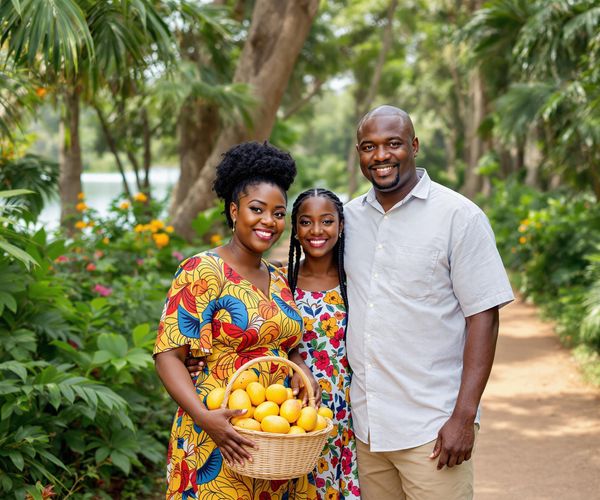

From the vibrant streets of Kyenjojo, Uganda, to the bustling markets of Brampton, Canada, my life has been a journey of cultural exploration. And what better way to explore a culture than through its food? I'm Florence, and I'm excited to share my passion for culinary travel with you. Food, in my experience, is more than just sustenance; it's a universal language that connects us all.
The Allure of Culinary Travel
Growing up in Uganda, food was always at the heart of our family and community gatherings. Each dish told a story – of our history, our traditions, and our connection to the land. When I moved to Canada, I realized that food could also be a bridge to new cultures. It offered a way to understand and appreciate the diverse communities around me.
I remember one of my first experiences in Canada, attending a potluck where everyone brought a dish from their heritage. The flavors, the aromas, the stories behind each recipe – it was like traveling the world without leaving the room. That’s when I knew I wanted to explore this culinary world further.
There was the time in Italy, when I stumbled upon a tiny family-run trattoria in Florence. The nonna, with her flour-dusted apron and twinkling eyes, welcomed me into her kitchen and taught me how to make fresh pasta from scratch. The taste of that simple pasta, made with love and local ingredients, is etched in my memory. These experiences taught me that food is not just about taste; it's about the people, the stories, and the shared moments that make it special.
Finding Authentic Cooking Classes
One of the best ways to immerse yourself in a new culture is by taking a cooking class. But how do you find a good one? My advice is to start by looking at local community centers or tourism boards. These organizations often offer classes taught by local chefs who are passionate about sharing their culinary heritage. Online platforms are also a great resource. Websites like Cookly and Airbnb Experiences connect travelers with local cooks offering authentic cooking experiences.
Before booking a class, take the time to read reviews and check the credentials of the instructors. Look for classes that focus on traditional, regional cuisine and use locally sourced ingredients. The more authentic the experience, the more you'll learn about the culture behind the food. Don't be afraid to ask questions about the ingredients or the techniques used. The best instructors are those who are eager to share their knowledge and passion.
Exploring Local Markets: A Sensory Adventure
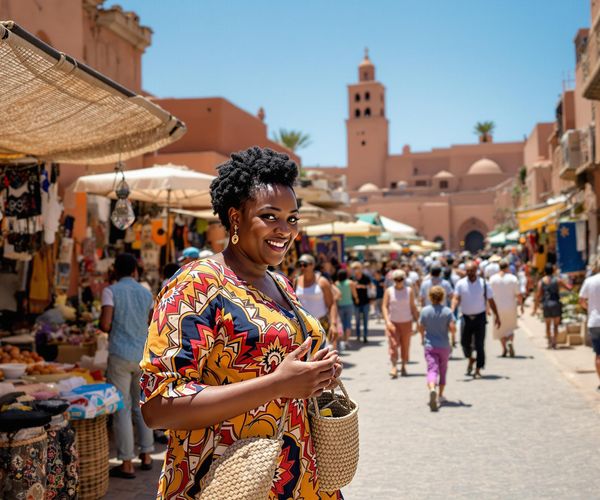
No culinary journey is complete without a visit to the local market. It's a sensory adventure – a feast for the eyes, nose, and taste buds. From the colorful displays of fresh produce to the fragrant spices and the lively chatter of vendors, a local market is a window into the heart of a culture.
When visiting a market, don't be afraid to interact with the vendors. Ask them about their products, how they're grown or made, and how they're used in local cuisine. Most vendors are happy to share their knowledge and offer tips on how to prepare their products. Shopping at local markets supports local farmers and businesses, contributing to the local economy and helping to preserve traditional farming practices.
Some of my favorite markets include the St. Lawrence Market in Toronto, with its diverse selection of local and international foods, and the Nakasero Market in Kampala, Uganda, a vibrant hub of fresh produce, spices, and traditional crafts. Each market offers a unique glimpse into the local culture and a chance to discover new and exciting ingredients.
The Art of Cultural Exchange Through Cuisine
Cooking and sharing meals is a powerful way to foster cultural understanding and appreciation. When you cook with someone from a different culture, you're not just learning about their food; you're learning about their history, their traditions, and their values.
I remember taking a cooking class in Mexico where I learned to make traditional tamales. As we worked together, grinding the corn, preparing the filling, and wrapping the tamales in corn husks, we shared stories about our families, our traditions, and our dreams. By the end of the class, we were not just classmates; we were friends who had shared a meaningful cultural experience.
Learning about the history and traditions behind a dish can deepen one's understanding of a culture. For example, understanding the significance of spices in Indian cuisine or the importance of fermentation in Korean cuisine can provide valuable insights into the cultural values and beliefs of those societies. When participating in culinary experiences, it's important to respect local customs and traditions. Ask questions, be open to learning, and show appreciation for the efforts of those who are sharing their culinary heritage with you.
Bringing Flavors Home: Recreating Travel Memories
The joy of culinary travel doesn't end when you return home. One of the best ways to keep your travel memories alive is by recreating the dishes you learned during your travels. Sourcing ingredients can be a fun challenge. Look for specialty stores or online retailers that carry imported ingredients. If you can't find a specific ingredient, don't be afraid to experiment with substitutes. Cooking is all about creativity, so feel free to adapt recipes to suit your taste and the availability of ingredients.
I often host themed dinner parties where I share my travel experiences and culinary discoveries with friends and family. It's a great way to relive those memories and introduce others to new flavors and cultures. Recreating travel dishes at home is a way to keep the spirit of adventure alive and to share the joy of culinary travel with those you love.
A Taste of Uganda: Traditional Dishes and Flavors
No exploration of my culinary journey would be complete without a taste of Uganda! One of my favorite dishes is matooke, steamed green bananas that are mashed and served with a variety of stews. It's a staple food in Uganda and is often served at special occasions. Another favorite is luwombo, a flavorful stew made with chicken, beef, or goat, cooked in banana leaves. The banana leaves impart a unique aroma and flavor to the stew, making it a truly special dish.
Ugandan cuisine is influenced by a variety of cultures, including Arab, Indian, and European. This is reflected in the use of spices like cumin, coriander, and cardamom, as well as ingredients like rice, beans, and cassava. If you ever have the chance to try Ugandan food, I highly recommend it. It's a delicious and unique culinary experience that will give you a taste of the rich culture and history of my homeland.
So, what are you waiting for? Pack your bags, grab your apron, and get ready to embark on a culinary adventure around the world. Bon appétit!
Join Florence on a culinary journey, exploring global cuisines and sharing tips on cooking local dishes while traveling.