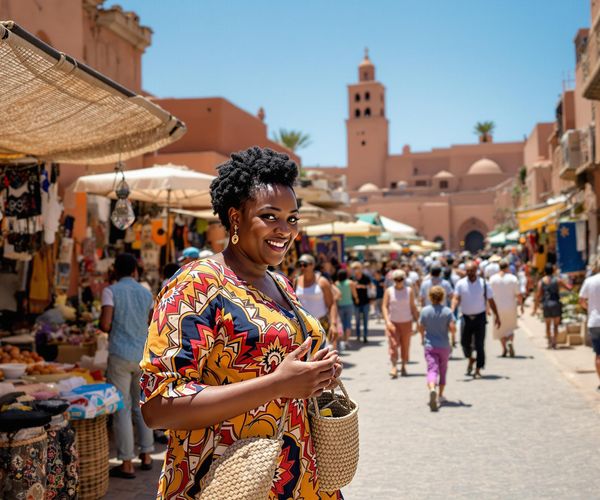

As a Ugandan woman who has called Canada home for many years, I've always found that stories are the most powerful bridges between cultures. When you travel, you're not just seeing new landscapes; you're encountering new ways of life, new histories, and new perspectives. And what better way to prepare for and enrich those encounters than by immersing yourself in the literature of the places you're visiting?
The Power of Stories: Connecting with Culture Through Literature
Reading African literature before or during your travels is like having a conversation with the soul of the continent. It opens up a deeper understanding of the history, traditions, and values that shape different African societies. It’s about more than just seeing the sights; it's about connecting with the people and their stories on a human level.
Growing up in Uganda, stories were always a part of our lives. They were how we learned about our ancestors, our history, and our place in the world. When I travel now, I carry that love of storytelling with me. I seek out books by local authors, listen to traditional tales, and try to understand the narratives that have shaped the communities I'm visiting. This approach has transformed my travel experiences, making them richer, more meaningful, and more memorable.
Classics That Shaped a Continent: Foundational Reads
If you're new to African literature, there are certain foundational works that are essential reading. These books have not only shaped the literary landscape of the continent but have also had a profound impact on global perceptions of Africa.
- Chinua Achebe's Things Fall Apart is arguably the most important of these. It tells the story of colonialism and cultural clash in Nigeria, offering a nuanced and powerful perspective on the impact of European influence on traditional African societies. Achebe's work is a cornerstone of African literature, and a must-read for anyone seeking to understand the complexities of the continent.
Ngũgĩ wa Thiong'o is another giant of African literature. His works fearlessly explore themes of colonialism, neocolonialism, and social justice. He has written extensively about the struggle for independence and the challenges of building a post-colonial society.
- Wole Soyinka, a Nobel laureate, is renowned for his plays and poetry that delve into themes of identity, culture, and power. His work is often challenging and thought-provoking, but it offers invaluable insights into the African experience.
Voices of Today: Contemporary African Authors to Discover
While the classics are essential, it's equally important to explore the works of contemporary African authors who are shaping the literary landscape today. These writers are tackling pressing social and political issues, exploring new forms of storytelling, and offering fresh perspectives on the African experience.
- Chimamanda Ngozi Adichie is one of the most celebrated contemporary African authors. Her character-driven novels, such as Half of a Yellow Sun and Americanah, vividly portray the Nigerian political and social landscape, exploring themes of identity, love, and loss.
- Ayọ̀bámi Adébáyọ̀ is another Nigerian author whose novels have garnered critical acclaim. Set in Nigeria, her books explore themes of marriage, family, and societal expectations, offering a glimpse into the lives of ordinary people navigating complex social and cultural norms.
Abdulrazak Gurnah, the 2021 Nobel Laureate in Literature, offers profound insights into the refugee experience and the impact of colonialism through his novels. His works provide a crucial perspective on the complexities of identity and displacement.
Venturing Beyond Borders: Literature from Across the African Diaspora
To gain a more comprehensive understanding of the African experience, it's important to venture beyond the borders of the continent and explore the literature of the African diaspora. These authors write about the experiences of Africans and their descendants in other parts of the world, exploring themes of identity, displacement, and belonging.
These stories contribute to a broader understanding of the African experience and its global impact, highlighting the enduring legacy of slavery, colonialism, and migration.
Tips for Immersive Reading: Enhancing Your Literary Journey
To fully appreciate the richness and depth of African literature, here are a few tips for immersive reading:
- Read reviews and critical analyses of the books you're reading to gain a deeper understanding of their themes and significance.
- Join a book club or online forum where you can discuss African literature with other readers.
- Attend literary events and festivals to hear authors speak about their work and engage with other book lovers.
- Seek out translations of works originally written in African languages to gain a more authentic perspective.
- Explore the historical and cultural context of each book to fully appreciate its significance. Research the author's background, the time period in which the book was written, and the social and political issues it addresses.
By following these tips, you can transform your reading experience and gain a deeper appreciation for the power and beauty of African literature.
A curated reading list of African literature that offers deep cultural insights, enhancing your travels with stories that connect you to the heart of the continent.