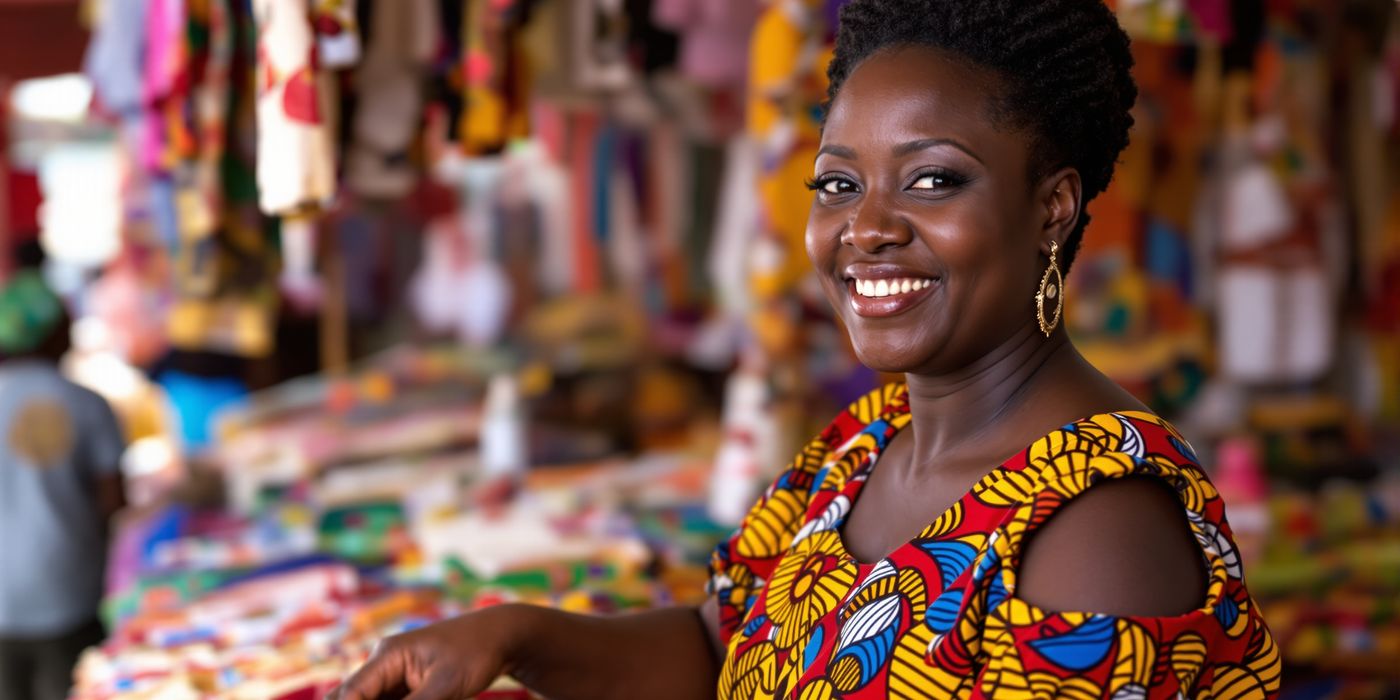
From the vibrant Kente cloth of West Africa to the intricate saris of India, textiles whisper stories of culture, history, and identity. As a Ugandan woman living in Canada, I've always felt a deep connection to my heritage, a connection I express through my love for sewing and creating African-inspired clothing. Join me on a journey as we explore the world of textiles, discovering how these woven wonders can enrich your travels and create lasting memories.
The Cultural Tapestry of Textiles
Textiles have been a cornerstone of cultural expression for centuries. They are not merely fabrics but canvases that depict social status, religious beliefs, and communal identity. The artistry and craftsmanship embedded in each thread speak volumes about the traditions and values of a community.
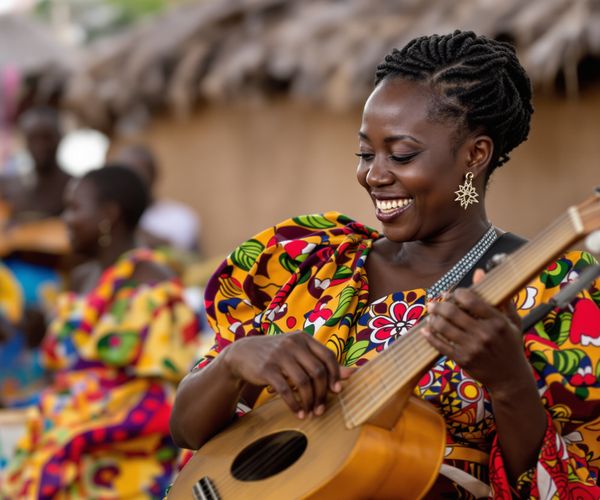
Consider the Kente cloth from West Africa, particularly Ghana. This vibrant, handwoven fabric was traditionally worn by royalty and is now a symbol of African pride and heritage. Each color and pattern holds a specific meaning, conveying proverbs, historical events, and philosophical concepts. Similarly, Ankara, also from West Africa, showcases bold, colorful patterns that reflect the energy and dynamism of African life. These fabrics are often used for celebratory garments and everyday wear, embodying a sense of identity and belonging.
Moving eastward, we encounter the intricate Ikat textiles of Indonesia and India. Ikat involves resist-dyeing threads before weaving, creating complex patterns that require immense skill and precision. These textiles are often associated with rituals and ceremonies, signifying spiritual beliefs and social hierarchies. In Scotland, the Tartan holds a special place, with each clan having its unique pattern, a visual representation of family history and allegiance. And let's not forget the saris of India, draped garments that vary in color, fabric, and embellishment, each reflecting the region, caste, and occasion of the wearer.
Finding Traditional Garments: A Traveler's Guide
When traveling, seeking out traditional textiles can be a rewarding experience, but it's crucial to do so respectfully and ethically. The goal is to support local artisans and preserve their cultural heritage. One of the best ways to ensure fair wages and sustainable practices is by purchasing directly from artisans or cooperatives.
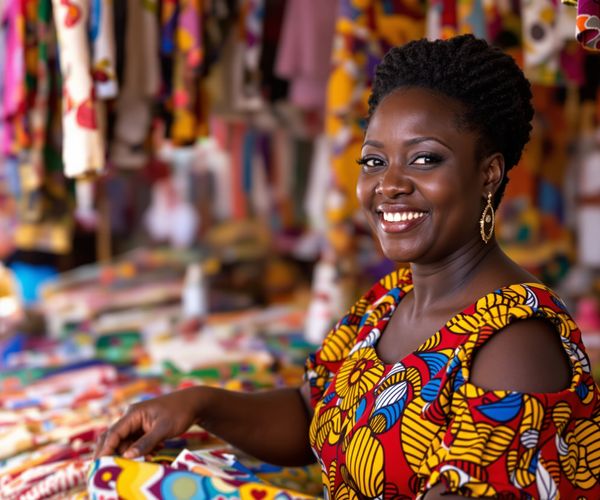
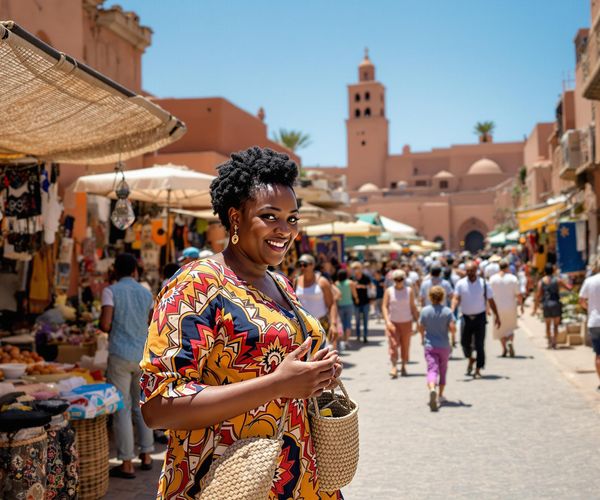
Local markets are treasure troves of authentic textiles. Engage with the vendors, ask about the history of the fabrics, and learn about the techniques used to create them. Cultural centers often host demonstrations and workshops where you can witness the craftsmanship firsthand and gain a deeper appreciation for the art. Artisan workshops provide an opportunity to see the entire process, from spinning the yarn to weaving the final product. Remember to bargain respectfully and be mindful of the value of the artisan's work.
Textiles as Storytellers: Weaving Narratives Through Fabric
Textiles are more than just beautiful objects; they are living archives of heritage, tradition, and identity. They carry stories passed down through generations, preserving cultural memory and shaping collective consciousness.
Memory quilts, for example, are powerful testaments to personal and communal history. These quilts often incorporate scraps of fabric from significant events or relationships, creating a tangible record of lived experiences. Indigenous blankets, such as those made by the Navajo, are woven with intricate patterns that depict creation stories, clan symbols, and historical events. Palestinian tatreez embroidery uses vibrant colors and geometric designs to represent villages, social status, and personal aspirations.
The symbolism embedded in textile patterns, colors, and materials adds layers of meaning to these narratives. Colors can represent emotions, seasons, or spiritual beliefs. Patterns can signify social status, family lineage, or religious affiliation. The materials themselves, whether cotton, silk, wool, or barkcloth, can reflect the environment and resources of a particular region.
Florence's Touch: Sewing African-Inspired Memories
My journey with textiles began in Kyenjojo, Uganda, where I grew up surrounded by vibrant colors and intricate patterns. Sewing became a way for me to stay connected to my roots after moving to Canada. Each piece of clothing I create is a labor of love, infused with memories of my homeland and the stories of my ancestors.
I often incorporate traditional Ugandan elements into my designs, such as Kitenge fabric with its bold prints and vibrant hues. The process of selecting fabrics, cutting patterns, and stitching seams is a meditative experience, allowing me to reflect on my heritage and express my creativity. Each garment tells a story, whether it's a dress inspired by a childhood memory or a skirt reflecting the colors of the Ugandan flag.
Sewing is more than just a hobby for me; it's a way to preserve my cultural identity and share it with others. When I wear my African-inspired creations, I feel a sense of pride and connection to my heritage. It's a reminder of where I come from and the values that shape who I am.
Sustainable Textile Tourism: Preserving Traditions for the Future
As we explore the world of textiles, it's essential to consider the impact of our choices on the environment and local communities. Sustainable textile tourism promotes eco-friendly materials, ethical sourcing, and waste reduction. By supporting initiatives that prioritize the well-being of local communities and the environment, we can help preserve these traditions for future generations.
Look for businesses that use organic cotton, natural dyes, and recycled materials. Support artisan cooperatives that provide fair wages and safe working conditions. Choose textile tours that focus on cultural exchange and education, rather than mass production and consumption. By making conscious choices, we can contribute to a more sustainable and equitable textile industry.
Explore the world of textiles, discovering cultural stories and craftsmanship. Learn how textiles can enrich your travels and create lasting memories.