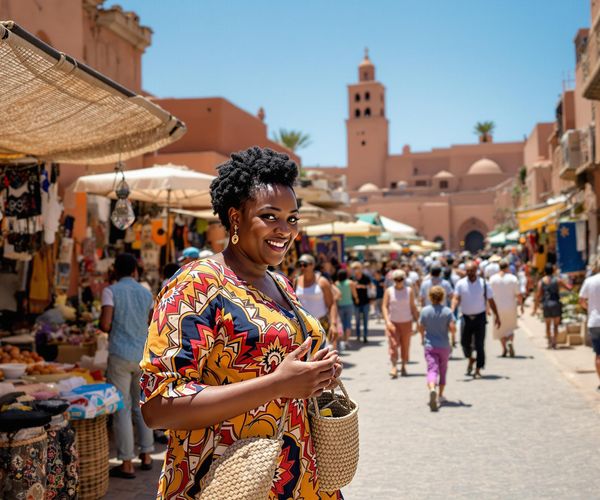

As someone who journeyed from the lush landscapes of Kyenjojo, Uganda, to the vibrant multicultural tapestry of Brampton, Canada, I understand the profound impact that travel can have on one's perspective. Travel is more than just seeing new places; it's about connecting with people, understanding their stories, and respecting their way of life. For first-time travelers, navigating unfamiliar cultures can feel daunting, but with a little preparation and a lot of heart, it can be an incredibly rewarding experience.
The Heart of Travel: Why Cultural Sensitivity Matters
Cultural sensitivity is the cornerstone of meaningful travel. It's about approaching new cultures with respect, curiosity, and a willingness to learn. When we travel with an open mind, we not only enrich our own experiences but also create positive interactions with the people we meet. By respecting local customs, we show that we value the host community and their traditions. This can lead to deeper connections and a more authentic understanding of the world.
I remember my first trip back to Uganda after settling in Canada. I was so excited to share my new life with my family, but I also realized how much I had changed. I had unconsciously adopted certain Canadian customs, and I had to be mindful of not imposing them on my Ugandan family. It was a humbling experience that reinforced the importance of cultural sensitivity. Taking the time to relearn and respect the nuances of my own culture made the trip so much more meaningful, strengthening my bond with my family and my roots.
Before You Go: Research and Preparation
Preparation is key to ensuring a culturally sensitive trip. Before you even pack your bags, take the time to research your destination's customs, traditions, and etiquette. This doesn't mean you need to become an expert, but having a basic understanding of local norms will go a long way in showing respect and avoiding unintentional offenses.
There are many resources available to help you learn about a destination's culture. Books, websites, and documentaries can provide valuable insights into local customs. Don't underestimate the power of learning a few basic phrases in the local language. Even a simple hello or thank you can make a big difference in how you are received. Websites like Culture Crossing and Kwintessential offer guides to navigating cultural differences, while documentaries available on streaming services can provide visual context to cultural practices.
Understanding local laws and social norms is equally important. What is considered acceptable in one culture may be taboo in another. For example, in some countries, it is customary to bargain for goods in markets, while in others, it is considered rude. Knowing these nuances can help you navigate social situations with grace and avoid causing offense.
Navigating Greetings and Interactions
Greetings and interactions are often the first point of contact with a new culture. Learning appropriate greetings and forms of address can help you make a positive first impression. In some cultures, a handshake is customary, while in others, a bow or a nod is more appropriate. Pay attention to body language and non-verbal communication, as these can vary significantly across cultures.
When interacting with locals, be mindful of your tone of voice and body language. Avoid speaking loudly or using overly casual language, especially when interacting with elders or people in positions of authority. Show respect by listening attentively and avoiding interrupting. In many African cultures, direct eye contact can be seen as disrespectful, especially when speaking to someone older or of higher status. Being aware of these subtle cues can help you build rapport and avoid misunderstandings.
Gift-giving etiquette also varies across cultures. In some countries, it is customary to bring a small gift when visiting someone's home, while in others, it is considered inappropriate. Research the local customs beforehand to ensure that your gift is well-received. Avoid giving overly expensive gifts, as this can create an imbalance in the relationship. A thoughtful, locally sourced gift is often the best choice.
Dining Etiquette Around the World
Food is an integral part of any culture, and dining etiquette can vary significantly around the world. Understanding these customs can help you avoid embarrassing faux pas and show respect for your hosts. In some Asian countries, for example, it is considered rude to stick your chopsticks upright in a bowl of rice, as this resembles a funeral ritual. In many Middle Eastern and South Asian cultures, it is customary to eat with your right hand only, as the left hand is considered unclean.
Respecting dietary restrictions and preferences is also essential. If you are dining with someone who is vegetarian or has allergies, be sure to inquire about their needs beforehand. Be open to trying new foods and flavors, even if they seem unfamiliar. This shows that you are willing to embrace the local culture and step outside of your comfort zone. If you are unsure about how to eat a particular dish, don't be afraid to ask for guidance. Most people will be happy to explain the proper way to enjoy their cuisine.
Tipping customs also vary widely. In some countries, tipping is expected, while in others, it is considered optional or even offensive. Research the local customs beforehand to avoid confusion. If you are unsure whether to tip, a good rule of thumb is to ask a local or consult a travel guide.
Dress Codes and Public Behavior
Appropriate attire and public behavior are important aspects of cultural sensitivity. When visiting religious sites, such as temples or mosques, it is essential to dress modestly. This typically means covering your shoulders and knees and removing your shoes before entering. In some cultures, women may also be required to cover their heads.
Cultural norms regarding public displays of affection and noise levels also vary. In some countries, public displays of affection are frowned upon, while in others, they are perfectly acceptable. Be mindful of your noise levels, especially in residential areas or places of worship. Avoid speaking loudly or engaging in disruptive behavior. Understanding and respecting personal space is equally important. What is considered a comfortable distance in one culture may be seen as too close or too far in another.
Supporting Local Communities Responsibly
One of the best ways to show respect for a culture is to support local communities responsibly. This means choosing accommodations, restaurants, and tours that are locally owned and operated. By supporting local businesses, you are helping to boost the local economy and preserve cultural traditions.
Ethical tourism practices are also essential. Avoid participating in activities that exploit people or animals. Choose tours that are environmentally sustainable and that respect the local culture. Consider volunteering or donating to local charities to give back to the community. When purchasing souvenirs, choose locally made products that support local artisans. Avoid buying items that are made from endangered species or that contribute to environmental degradation.
Learning from Mistakes: Embracing Humility
No matter how well-prepared you are, cultural missteps can happen. The key is to learn from your mistakes and embrace humility. If you accidentally offend someone, apologize sincerely and try to understand why your actions were inappropriate. Be open to feedback and willing to adjust your behavior accordingly.
I once accidentally wore a dress with a pattern that resembled a tribal symbol considered sacred in a particular region of Uganda. A local elder gently pointed out my mistake, and I was mortified. I immediately apologized and changed into something else. The elder appreciated my willingness to learn and we ended up having a fascinating conversation about the significance of the symbol. This experience taught me the importance of being open to feedback and willing to learn from my mistakes.
Turning cultural mistakes into learning opportunities can deepen your understanding of the world and foster meaningful connections with people from different backgrounds. Remember that cultural sensitivity is a journey, not a destination. By approaching travel with an open mind, a respectful attitude, and a willingness to learn, you can create unforgettable experiences that enrich your life and the lives of those you meet.
A guide for first-time travelers on how to approach cultural differences with sensitivity and respect, focusing on personal anecdotes and practical tips for engaging with local communities.