Understanding the Value of Multicultural Connections
Connecting with local communities while traveling offers benefits that go far beyond the typical tourist experience. It's about creating meaningful interactions and understanding different perspectives. These interactions enrich your travel experiences by providing deeper insights into the local culture, history, and way of life.
I remember when I first arrived in Canada, everything felt so different. But it was through connecting with other immigrants and local Canadians that I began to feel at home. Similarly, during my travels back to Uganda, I've found that engaging with local artisans and farmers has given me a renewed appreciation for my heritage. These cross-cultural exchanges remind us of our shared humanity and foster empathy and understanding.
Respecting Local Customs and Traditions
Before you even pack your bags, take the time to research the customs and traditions of your destination. Understanding local norms is crucial for showing respect and avoiding unintentional offenses. Every culture has its own set of unspoken rules, and being aware of these can make a big difference in how you are received.
For example, in some cultures, it's considered impolite to make direct eye contact, while in others, it's a sign of sincerity. Similarly, dress codes can vary significantly depending on the region and religious sites. When visiting a temple or mosque, make sure to dress modestly, covering your shoulders and knees. A little research goes a long way in demonstrating your respect for the local culture.
Learning Basic Phrases in the Local Language
One of the most impactful ways to connect with locals is by learning a few basic phrases in their language. Even simple greetings like “Hello,” “Thank you,” and “Excuse me” can go a long way in breaking down barriers and showing your willingness to engage with the local culture.
I've found that knowing just a few phrases can transform interactions from transactional to personal. When I visited a small village in Uganda, I made an effort to greet everyone in their local dialect. The smiles and warm welcomes I received in return were priceless. Language learning apps and online resources can be incredibly helpful in picking up essential phrases before your trip.
Attending Local Events and Festivals
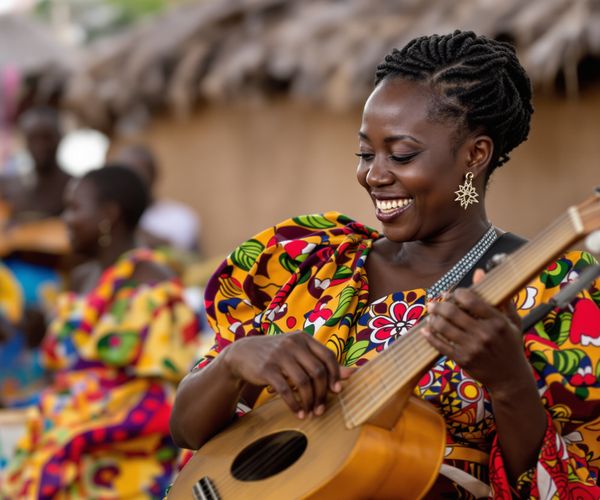
Local events and festivals offer a fantastic opportunity to experience the culture firsthand. These celebrations are often filled with music, dance, food, and traditions that provide a unique glimpse into the community's identity. Attending these events allows you to engage with locals in a relaxed and festive atmosphere.
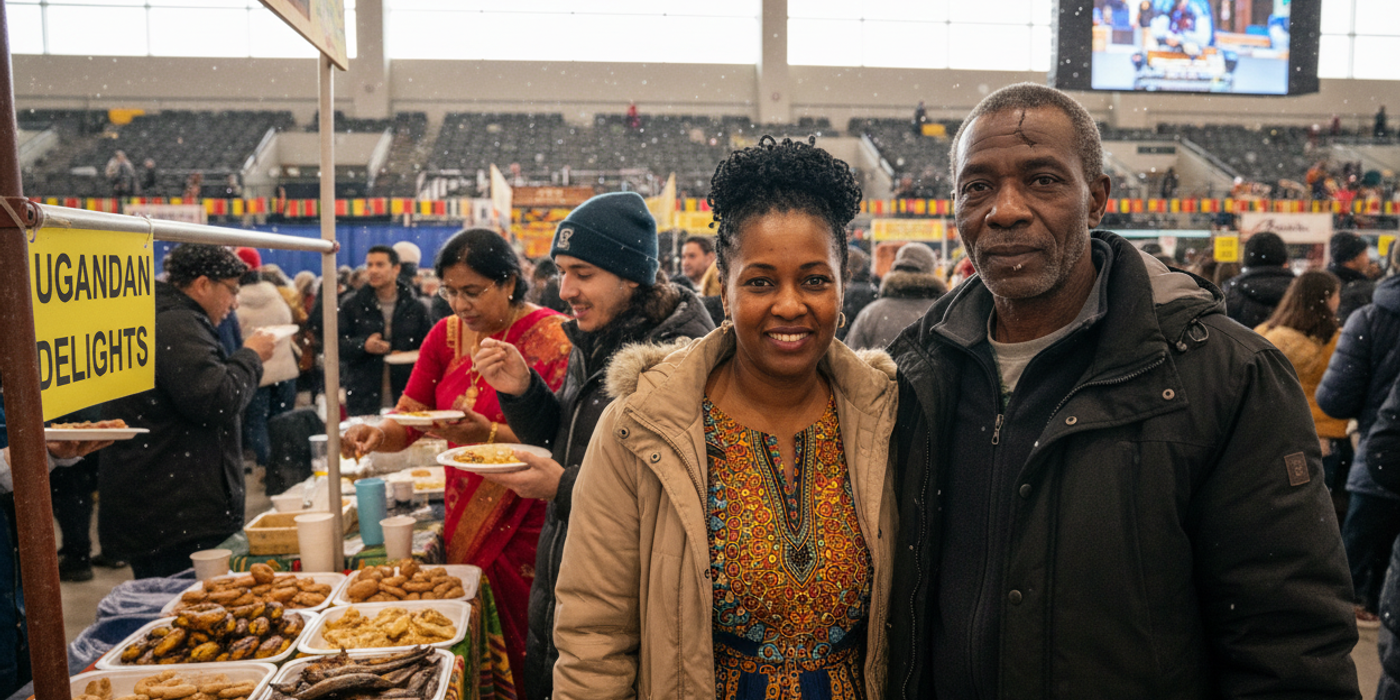
In Brampton, I always look forward to the annual Carassauga Festival, which celebrates the city’s diverse cultures. Similarly, in Uganda, the Nyege Nyege Festival is a vibrant celebration of East African music and arts. When attending such events, be respectful of the traditions and customs. Ask permission before taking photos and be mindful of personal space.
Supporting Local Businesses and Artisans
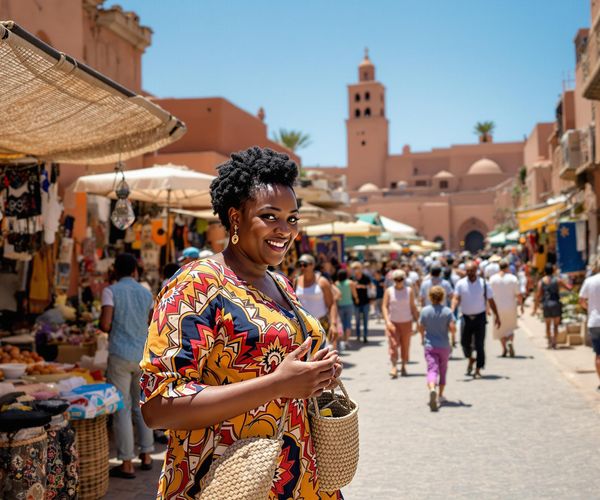
Supporting local businesses and artisans is a great way to contribute to the local economy and ensure that your tourism has a positive impact. By patronizing local shops, restaurants, and markets, you are directly supporting the livelihoods of the people who live there. Plus, you're more likely to find unique and authentic souvenirs that tell a story.
I always make a point of buying handmade crafts directly from the artisans. Not only do you get a beautiful and unique item, but you also know that your money is going directly to the person who created it. Look for fair trade practices and businesses that prioritize ethical and sustainable production.
Engaging in Community-Based Tourism
Community-based tourism is an approach to travel that prioritizes the well-being of local communities. It involves tourism initiatives that are owned and managed by the community, ensuring that the benefits of tourism stay within the community. This can include homestays, local guides, and volunteer opportunities.
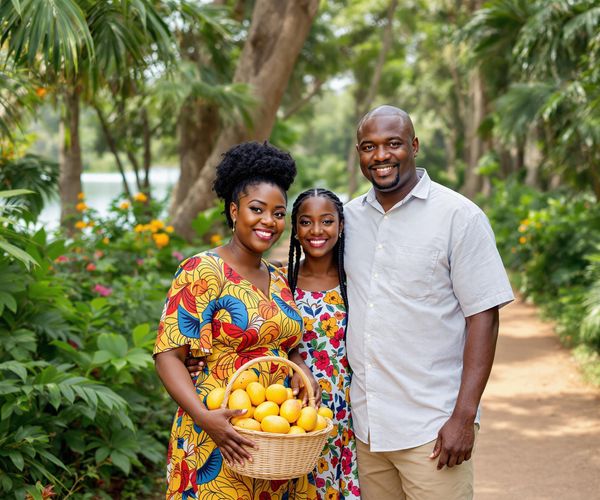
During my travels in Uganda, I've had the opportunity to stay in community-run guesthouses, where I learned about local farming practices and traditional crafts. In Canada, I've volunteered with organizations that support newcomer families, helping them adjust to life in a new country. These experiences have not only enriched my travels but have also made a positive impact on the communities I've visited.
Practicing Cultural Sensitivity in Daily Interactions
Cultural sensitivity is about being mindful of the differences in communication styles, values, and beliefs. It involves treating others with respect and consideration, regardless of their cultural background. This includes being aware of non-verbal cues, such as gestures and body language, which can vary significantly across cultures.
Active listening is key to cross-cultural communication. Pay attention not only to what is being said but also to how it is being said. Be open to learning from others and willing to adapt your behavior to show respect. Empathy is also crucial. Try to understand the world from the other person's perspective, and be mindful of their feelings and experiences.
By embracing multiculturalism and connecting with local communities, you can transform your travels from a simple vacation into a meaningful and enriching experience. It's about opening your heart and mind to the world and building bridges of understanding and connection.
Learn how to connect with local communities during your travels. Discover the value of multicultural connections, respect local customs, and support local businesses.