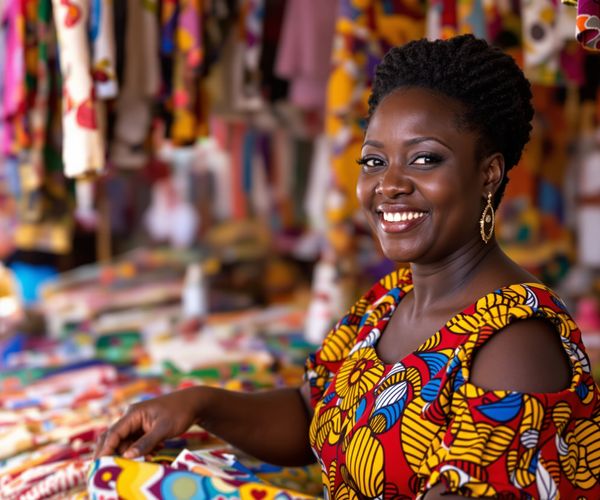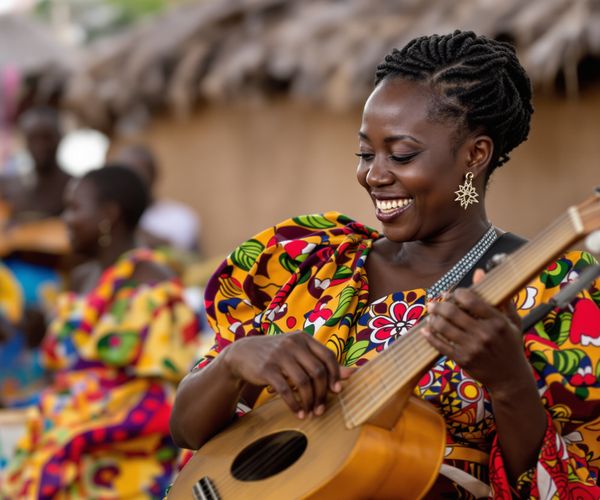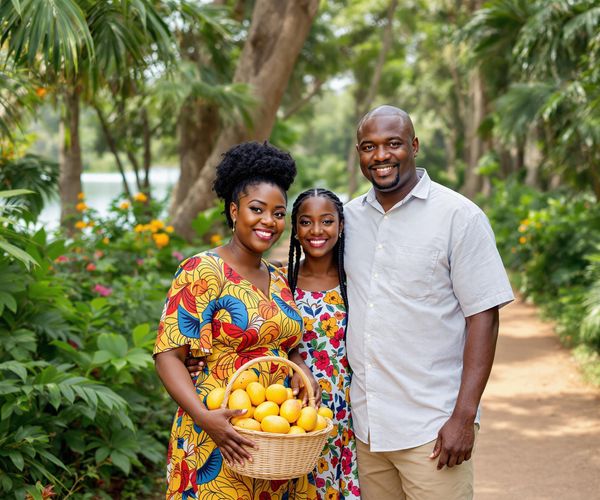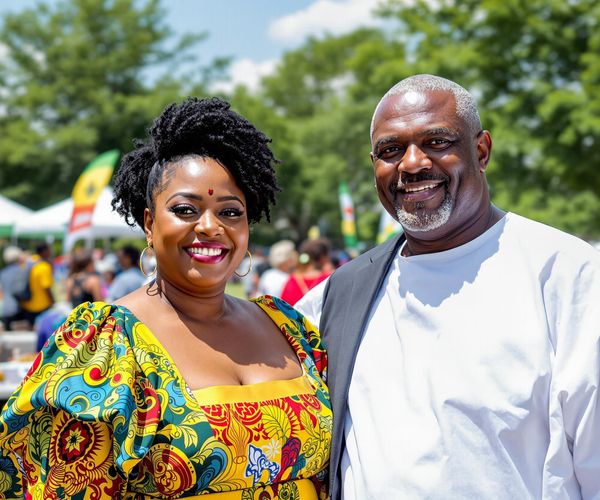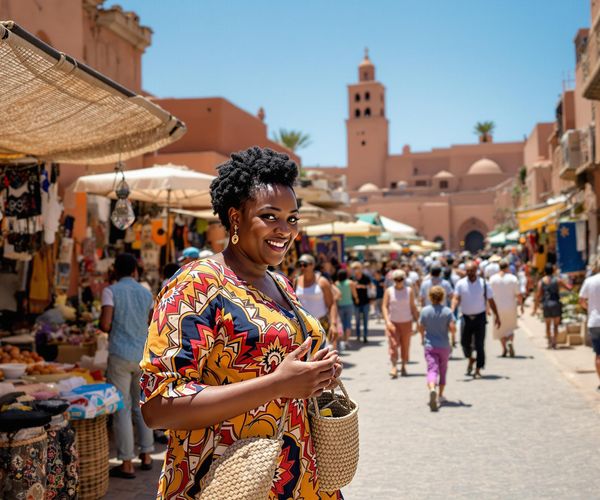
Hello, fellow explorers! I'm Florence Nalubega, and over the years, I've had the incredible opportunity to immerse myself in the vibrant tapestry of multicultural festivals around the globe. From the colorful streets of Notting Hill Carnival to the spiritual depths of Diwali celebrations in India, each experience has enriched my understanding of the world and the beautiful diversity of its people. I'm excited to share some insights that I've gathered along the way, hoping to inspire you to embark on your own festival adventures with an open heart and a respectful spirit.
Embracing the Festival Spirit: A Personal Reflection
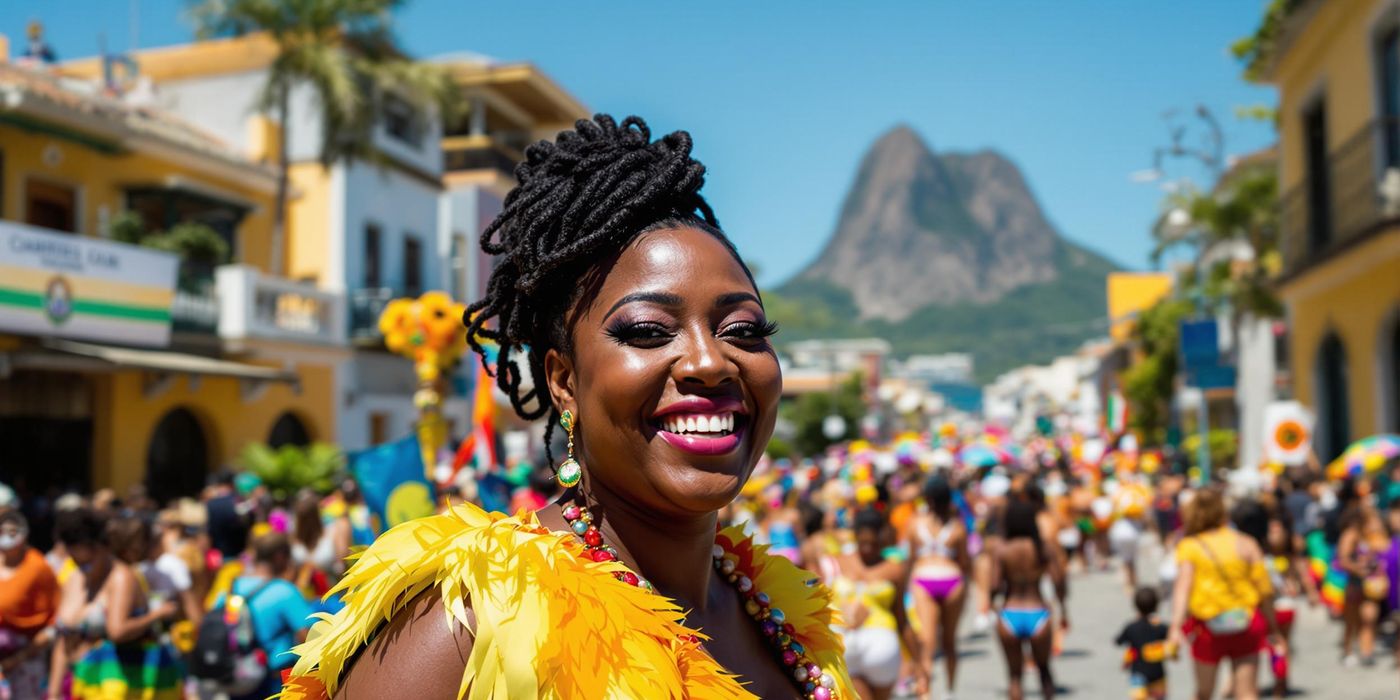
I remember my first international festival like it was yesterday. It was the Rio Carnival in Brazil, a whirlwind of samba, sequins, and sheer exhilaration. Stepping into that vibrant chaos was overwhelming, a sensory explosion that both thrilled and intimidated me. I quickly realized that simply being a spectator wasn't enough. I wanted to truly connect with the culture, to understand the heart and soul of the celebration. It was then that I understood the importance of approaching festivals not just as a tourist, but as a learner, a participant, and a respectful guest.
Festivals are more than just parties; they are powerful expressions of identity, history, and community. They offer a unique opportunity to connect with people from different backgrounds, to break down barriers, and to celebrate our shared humanity. By attending with an open mind and a willingness to learn, we can foster understanding, build bridges, and create lasting memories.
Pre-Festival Preparation: Understanding Cultural Nuances
Before you pack your bags, take some time to research the festival you plan to attend. Understanding the festival's history, traditions, and cultural context is crucial for a meaningful and respectful experience. This isn't just about knowing the dates and location; it's about delving into the significance of the rituals, the symbolism behind the clothing, and the meaning behind the food.
Start with the official festival website, if available. These sites often provide detailed information about the event's history, schedule, and cultural significance. Look for resources from cultural organizations, museums, and community leaders. Don't hesitate to reach out to local experts or online forums for insights and advice. Understanding even small details, like the appropriate way to greet someone or the meaning of certain colors, can make a big difference in how you're received and how deeply you connect with the experience.
Respectful Participation: Dos and Don'ts
When attending a multicultural festival, remember that you are a guest in someone else's cultural space. Your behavior should reflect respect, curiosity, and a genuine interest in learning. Here are a few guidelines to keep in mind:
- Attire: Research appropriate attire beforehand. Some festivals may have specific dress codes or customs that should be followed. When in doubt, opt for modest and respectful clothing.
- Behavior: Be mindful of your behavior and interactions. Avoid loud, disruptive, or disrespectful actions. Observe how locals interact and follow their lead.
- Sacred Spaces: Treat sacred spaces, artifacts, and rituals with the utmost respect. Follow any guidelines or restrictions that are in place.
- Participation: Participate in activities with respect and a genuine desire to learn. Don't be afraid to try new things, but always do so with humility and an open mind.
- Photography: Always seek permission before taking photos of people or sacred sites. Be respectful of their wishes if they decline.
- Avoid Offense: Be mindful of actions that could be considered offensive, such as making fun of rituals or using cultural symbols inappropriately. If you're unsure, err on the side of caution.
Connecting with the Community: Building Bridges
One of the most rewarding aspects of attending multicultural festivals is the opportunity to connect with local communities and build bridges across cultures. Here are some ways to foster meaningful connections:
- Engage with Locals: Don't be afraid to strike up conversations with locals. Ask questions, listen to their stories, and show a genuine interest in their culture.
- Support Local Economies: Patronize local businesses, restaurants, and vendors. Your spending can directly benefit the community and help sustain their traditions.
- Volunteer: Consider volunteering at the festival or with a local organization. This is a great way to give back to the community and immerse yourself in the culture.
- Learn the Language: Even learning a few basic phrases in the local language can go a long way in showing respect and building rapport.
- Show Appreciation: Express your gratitude for the hospitality and sharing of culture. A simple thank you can make a big difference.
Food as a Cultural Gateway: Exploring Traditional Cuisine
Food is an integral part of any cultural celebration. It's a powerful way to connect with a culture, understand its history, and experience its unique flavors. When attending a multicultural festival, be sure to explore the local cuisine with an open mind and a willingness to try new things.
Don't be afraid to step outside your comfort zone and sample dishes you've never heard of before. Ask locals for recommendations and learn about the ingredients and preparation methods. Pay attention to dining etiquette, as it can vary significantly from culture to culture. Supporting local food vendors and restaurants is a great way to contribute to the community's economy and ensure the preservation of traditional culinary practices.
Personal Reflections: Memorable Moments and Lessons Learned
One of my most cherished memories is from the Harbin Ice Festival in China. I was mesmerized by the intricate ice sculptures, each a testament to the skill and artistry of the local craftsmen. But what truly touched me was the warmth and generosity of the people I met. Despite the language barrier, we connected through shared smiles, gestures, and a mutual appreciation for the beauty of the festival.
Another profound experience was attending a traditional Ugandan naming ceremony. Witnessing the deep connection between family, community, and heritage was incredibly moving. It reinforced the importance of preserving cultural traditions and passing them on to future generations.
These experiences have taught me that cultural exchange is a transformative force. It broadens our perspectives, challenges our assumptions, and fosters empathy and understanding. By embracing diversity and seeking out opportunities to connect with different cultures, we can create a more inclusive and harmonious world.
A comprehensive guide to respectfully enjoying multicultural festivals, with personal anecdotes and practical tips for travelers.