As someone who was born and raised in Uganda, and now calls Canada home, I've learned that travel is more than just seeing new places; it's about connecting with different cultures and understanding their unique perspectives. Packing for these journeys requires careful consideration, especially when it comes to respecting local customs and traditions. Let me share some insights I’ve gathered over the years on how to pack efficiently and respectfully for your cultural explorations.
Understanding the Cultural Context
Before you even think about zipping up your suitcase, take the time to research the cultural norms and dress codes of your destination. What might be considered fashionable or acceptable in one country could be seen as disrespectful in another. Understanding these nuances is crucial for ensuring a positive and respectful travel experience.
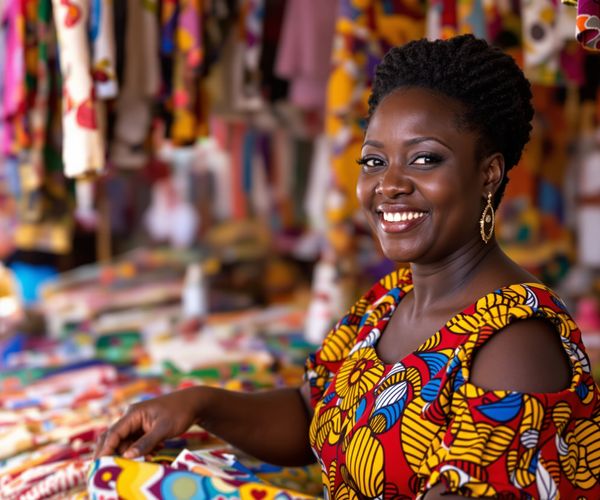
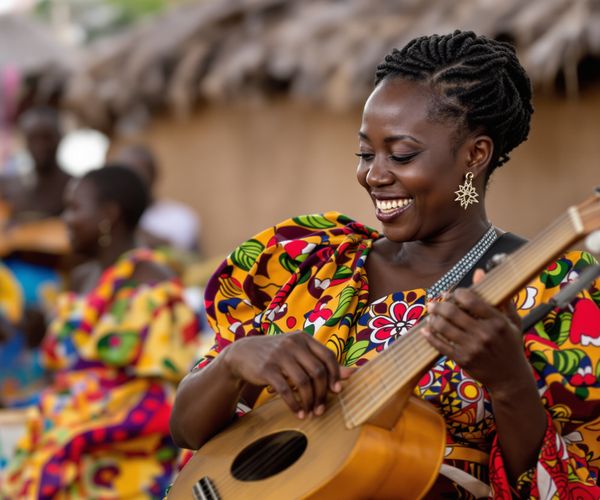
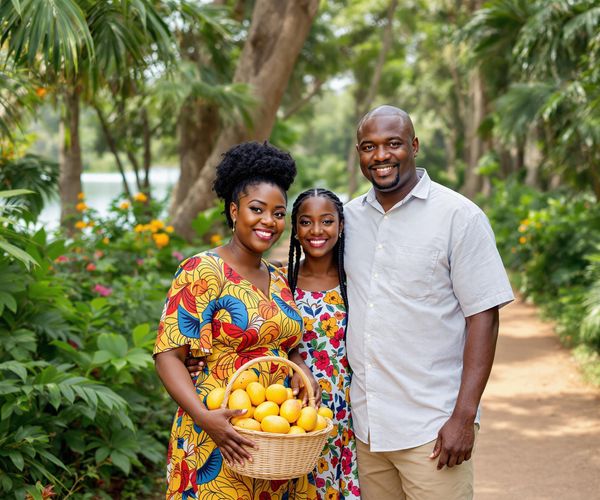
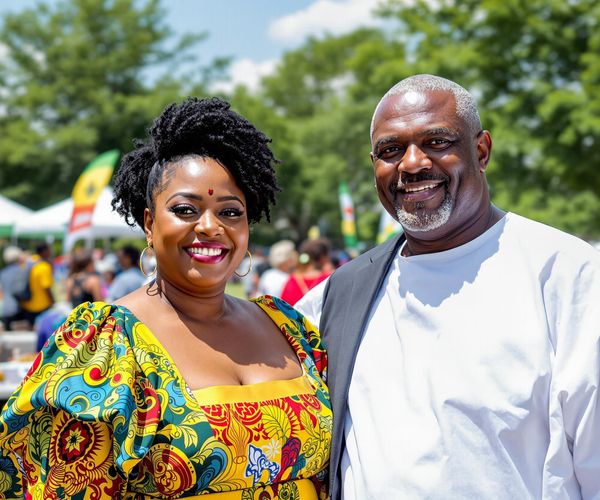
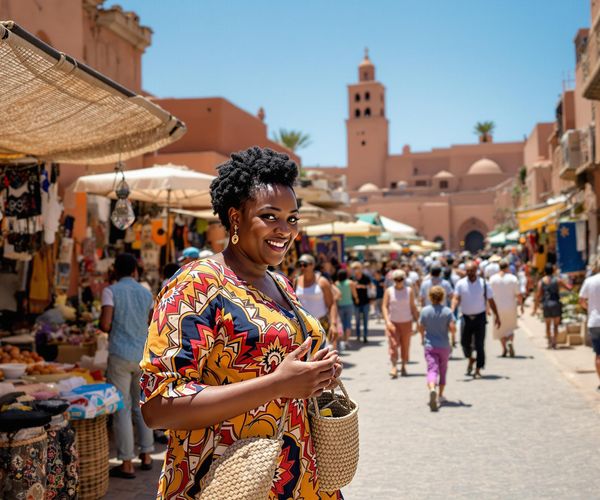
Clothing is a powerful tool for facilitating cultural immersion and fostering positive interactions. When you dress in a way that aligns with local customs, you're signaling respect and openness, which can lead to deeper connections with the people you meet. For example, in some cultures, it's important to dress modestly, covering your shoulders and knees, while in others, bright colors and patterns are welcomed as a sign of celebration.
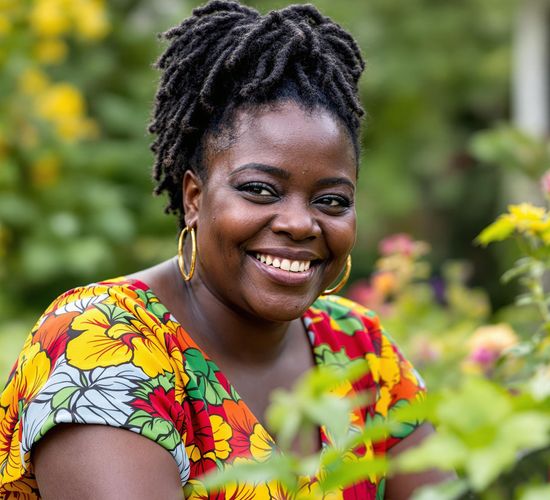
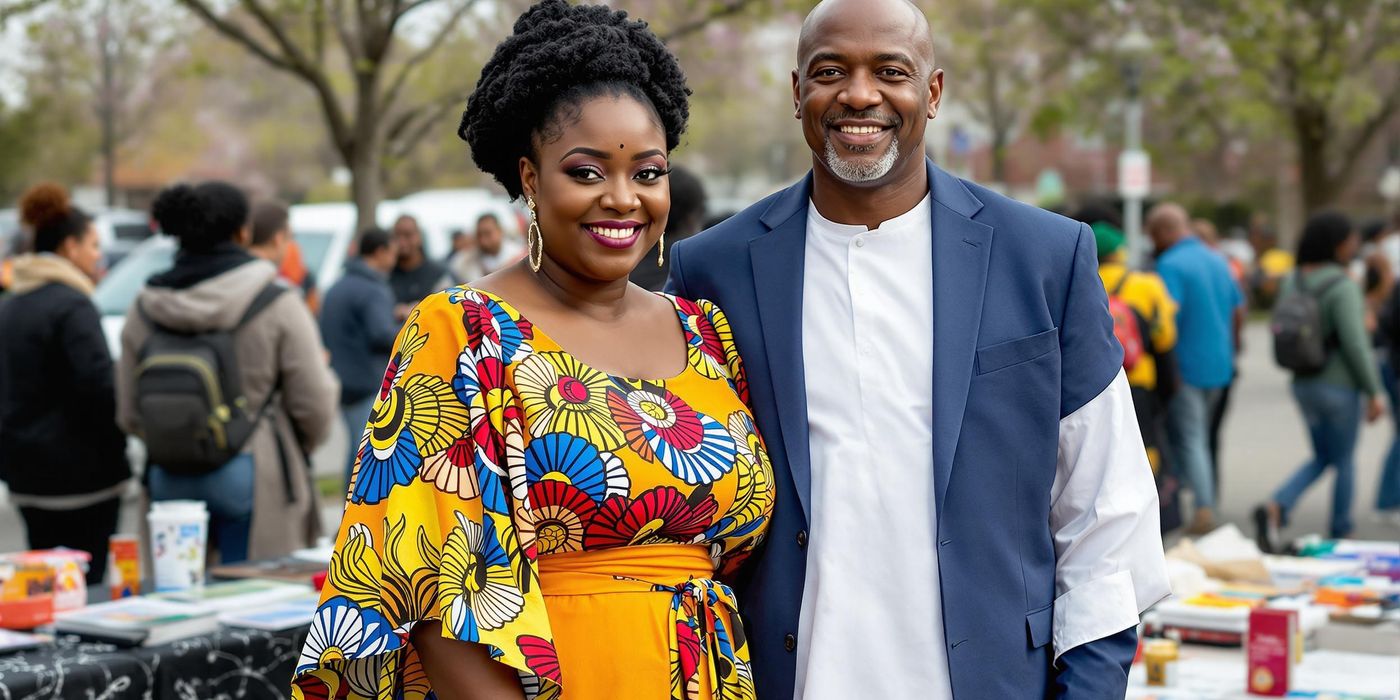
From my own experiences, dressing respectfully has opened doors to incredible opportunities. During a visit back to Uganda, wearing traditional attire not only made me feel more connected to my heritage but also sparked conversations with locals who appreciated the gesture. It's these small acts of respect that can transform a trip from a simple vacation into a meaningful cultural exchange.
Creating a Culturally Sensitive Capsule Wardrobe
The key to packing efficiently for cultural travel is to create a capsule wardrobe of versatile clothing items that can be mixed and matched to suit various occasions. Choose fabrics that are appropriate for both the climate and the cultural context. Lightweight, breathable fabrics like cotton and linen are often good choices for warmer climates, while wool or fleece may be necessary for cooler destinations.
Prioritize modest clothing options that are suitable for a variety of cultural settings. Think long skirts or pants, shirts with sleeves, and items that can be layered for added warmth or modesty. A simple scarf can be a lifesaver, providing warmth, covering your head when required, or adding a touch of style to your outfit.
For instance, a long, flowing skirt can be dressed up or down, making it appropriate for both sightseeing and attending a cultural event. A lightweight scarf can be used to cover your shoulders when visiting religious sites or to protect you from the sun. By carefully selecting these essential items, you can build a wardrobe that balances comfort, style, and cultural sensitivity.
Essential Accessories for Cultural Immersion
Accessories play a vital role in adapting to different cultural situations. A scarf, as I mentioned earlier, is incredibly versatile. It can be used as a head covering, a shawl, or even a makeshift bag in a pinch. Hats are also essential for sun protection, especially in countries with strong sun exposure. In some cultures, wearing a hat may also be a sign of respect.
Jewelry and other accessories can also be used to reflect local traditions, but it's important to do your research and ensure that your choices are appropriate and respectful. In some cultures, certain types of jewelry may have specific meanings or be reserved for special occasions. Be mindful of these customs and avoid wearing anything that could be seen as disrespectful or insensitive.
Your choice of bags is also important. Opt for bags that are secure and practical, especially in crowded areas where pickpocketing may be a concern. Crossbody bags or backpacks with hidden compartments are good options for keeping your belongings safe while still allowing you to move freely and comfortably.
Practical Packing Tips for Efficient Travel
Now that you've curated your culturally sensitive wardrobe, it's time to pack it efficiently. One of my favorite packing techniques is rolling clothes instead of folding them. This saves space and minimizes wrinkles. Packing cubes are also a game-changer for organizing your items and compressing them even further.
Choosing the right type of luggage is crucial for cultural travel. A backpack may be more suitable for navigating cobblestone streets or crowded markets, while a suitcase may be preferable for longer trips with multiple destinations. Consider the terrain and transportation options at your destination when making your choice.
Minimizing toiletries and other bulky items is another key to efficient packing. Travel-sized containers are your best friend here. You can also save space by using solid toiletries, such as shampoo bars and solid sunscreen. These take up less room and are less likely to leak in your bag.
Essential Travel Tools for Cultural Exploration
In today's digital age, there are a plethora of travel tools that can enhance your cultural understanding and connection. Language learning apps and phrasebooks are invaluable for basic communication. Even knowing a few basic phrases in the local language can go a long way in showing respect and building rapport with locals.
Translation devices can also be helpful for deeper conversations, especially when you encounter language barriers. Offline maps and navigation tools are essential for exploring without internet access, ensuring that you can always find your way around, even in remote areas.
Cultural immersion apps can provide local recommendations and insights, helping you discover hidden gems and authentic experiences. Adapters and portable chargers are a must for keeping your electronic devices powered up, ensuring that you can stay connected and capture all your amazing memories.
Remember, packing for cultural travel is not just about bringing the right clothes and accessories; it's about preparing yourself to engage with the world in a respectful and meaningful way. By taking the time to research your destination, curate a culturally sensitive wardrobe, and equip yourself with the right tools, you can transform your trip into an unforgettable cultural adventure.
Learn from Florence's insights on packing for cultural travel, emphasizing respect, efficiency, and meaningful experiences.