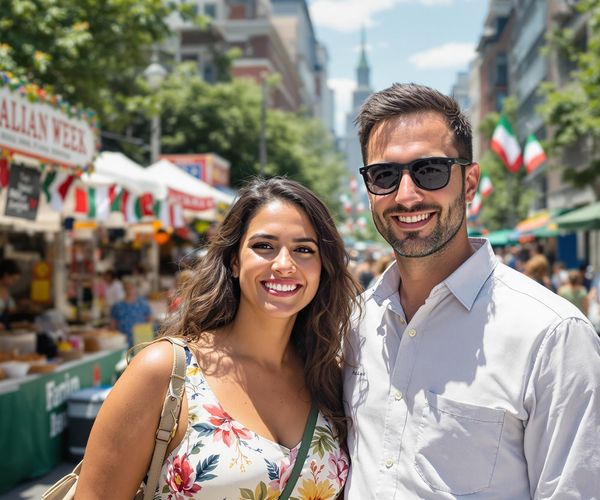
Ciao amici! As someone who grew up surrounded by the Renaissance splendor of Arezzo, Italy, and now lives amidst the vibrant culture of Montreal, I've always believed that travel offers a unique opportunity to connect with art history on a deeper level. It's one thing to read about Michelangelo; it’s another to stand beneath the dome of St. Peter's Basilica. So, how can you, as fellow travelers, enhance your appreciation for art history while exploring new cultural destinations? Let’s embark on this artistic journey together!
Pre-Trip Preparation: Laying the Groundwork
Before you even pack your bags, the journey into art history begins. Think of this as your artistic aperitivo—a little something to whet your appetite. The key is research! Don’t just skim the surface; dive deep into the art and history of your chosen destination.
- Utilize online resources like museum websites, academic articles, and reputable travel blogs (like this one!). Websites such as the Khan Academy and SmartHistory provide excellent overviews of art movements and key figures.
- Books and documentaries are your friends. Seek out well-regarded art history surveys or biographies of artists whose work you’ll encounter. I always recommend Gombrich's The Story of Art as a great starting point.
Consider focusing on specific themes or periods. Are you fascinated by the Italian Renaissance? Or perhaps the French Impressionists? Narrowing your focus can make the experience less overwhelming and more rewarding. For example, on a trip to Paris, you might decide to concentrate on Impressionist art, visiting the Musée d'Orsay and exploring the locations that inspired artists like Monet and Renoir.
Engaging with Art on Location: Immersive Experiences
Now, the real fun begins! You've arrived at your destination, armed with knowledge and ready to explore. Remember, it's not about ticking off a list of famous artworks; it's about truly engaging with the art and the stories behind it.
- Visit museums and galleries, but prioritize quality over quantity. Spend time with artworks that resonate with you. Don't just glance and move on; observe the details, consider the artist's intentions, and allow yourself to be moved.
- Explore local art scenes. Venture beyond the major museums and discover street art, local galleries, and artist studios. These hidden gems can offer unique insights into the local culture and contemporary artistic expressions. In Montreal, for example, I love wandering through the Plateau Mont-Royal neighborhood to admire the vibrant murals and discover emerging artists.
- Take guided tours led by local experts. A knowledgeable guide can bring art to life, sharing historical context, artistic techniques, and cultural significance that you might otherwise miss. Look for tours that focus on specific themes or periods that align with your interests.
Interactive Learning: Hands-On Activities
Why just observe when you can participate? Immersing yourself in hands-on activities can deepen your understanding and appreciation of art in unexpected ways.
- Participate in art workshops and classes. Many cultural destinations offer workshops where you can learn traditional techniques, such as fresco painting in Italy or pottery making in Japan. Creating your own masterpiece, however humble, can give you a newfound respect for the skills and artistry involved.
- Attend local cultural festivals and art events. These events provide a vibrant and immersive experience, allowing you to connect with art in a dynamic and engaging way. From the Venice Biennale to local street art festivals, there's always something exciting to discover.
- Engage with local artists and artisans. Strike up conversations, ask questions, and learn about their craft and perspective. You might be surprised by the insights you gain and the connections you make.
Connecting Art and Place: Contextual Exploration
Art doesn't exist in a vacuum. To truly appreciate it, you need to understand the historical and cultural context in which it was created.
- Consider the historical and cultural context. What were the social, political, and economic conditions that influenced the artist and their work? Researching these factors can provide a deeper understanding of the artwork's meaning and significance.
- Visit historical sites. Explore the churches, palaces, and ancient ruins where art was originally displayed. Seeing art in its original setting can be a powerful and transformative experience. Imagine standing in the Sistine Chapel, surrounded by Michelangelo's frescoes, or wandering through the ruins of Pompeii, admiring the ancient mosaics.
- Explore the connection between art and the city. Consider why museums are located in specific areas and how artworks depict the city. How does the urban landscape influence the art, and how does the art shape our perception of the city?
Personal Reflection: Documenting and Sharing Your Experience
Finally, take time to reflect on your experiences and share your insights with others. This process can deepen your appreciation for art history and inspire others to embark on their own artistic journeys.
- Keep a sketchbook or journal. Record your observations, thoughts, and feelings about the art you encounter. Sketching, even if you're not an artist, can help you focus on the details and develop a deeper connection with the artwork. I find that writing down my immediate reactions helps me process what I've seen and revisit those moments later.
- Capture the artworks and sites through photography. Be mindful of the rules and guidelines of each venue, and focus on capturing the essence of the art and its surroundings. Remember, the goal is not just to take pretty pictures, but to document your experience and preserve your memories.
Sharing your experiences and insights through blogging, social media, or discussions fosters a deeper appreciation for art history. Engage with others, exchange ideas, and inspire new perspectives. Arrivederci and happy travels!
Enhance your art history appreciation on the road! Explore strategies for engaging with local art and historical sites, guided by Giulia's passion and insights.