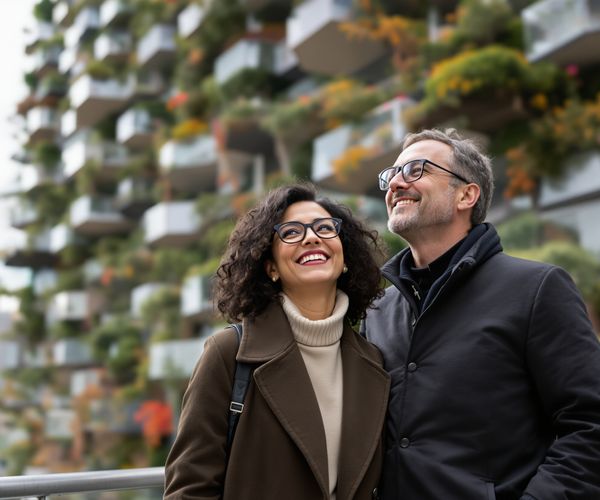
Hello, fellow travelers! I'm Giulia Colombo-Tremblay, and today, I want to share a topic close to my heart: sustainable architecture. As many of you know, I'm passionate about culture, travel, and authentic experiences. And as the wife of an architect specializing in sustainable design, Jean-Pierre, I've gained a unique perspective on how architecture can shape our world for the better. Let's embark on a journey to explore eco-friendly designs globally and discover how we, as travelers, can experience and support them.
Introduction: A Personal Connection to Sustainable Design
Sustainable architecture, at its core, is about designing buildings that minimize their negative impact on the environment. It's about creating structures that are energy-efficient, use renewable resources, and promote the health and well-being of their occupants. It's a field that's becoming increasingly vital as we face the challenges of climate change and urbanization.
My connection to this topic is deeply personal. My husband, Jean-Pierre, has dedicated his career to sustainable design. Through him, I've learned so much about the innovative materials, technologies, and philosophies that drive this movement. I've seen firsthand how architecture can contribute to a more sustainable and equitable world. And more and more, sustainability is becoming a key consideration for travelers seeking meaningful experiences.
What is Sustainable Architecture?
Sustainable architecture is an approach to building design that seeks to minimize the negative environmental impact of buildings by enhancing efficiency and moderation in the use of materials, energy, and development space. The core principles revolve around resource efficiency, waste reduction, and creating healthy environments. This includes everything from the initial design and construction to the building's operation and eventual deconstruction.
The benefits of eco-friendly designs are multifaceted. Environmentally, sustainable buildings reduce carbon emissions, conserve water, and protect biodiversity. Socially, they create healthier and more comfortable spaces for people to live and work. Economically, they can lower operating costs through energy efficiency and increase property values.
One of the most exciting aspects of sustainable architecture is the constant innovation in materials and technologies. We're seeing the rise of green roofs, solar panels, rainwater harvesting systems, and the use of recycled and renewable materials like bamboo and timber. These innovations are not only good for the planet but also create visually stunning and inspiring architectural designs.
Global Examples of Sustainable Architectural Wonders
Around the world, there are incredible examples of sustainable architecture that showcase the potential of eco-friendly design.
- Bosco Verticale, Milan, Italy: As an Italian, I have to start with something from my homeland! The Bosco Verticale, or Vertical Forest, is a pair of residential towers in Milan that are covered in over 900 trees and 20,000 plants. This vertical forest not only enhances the city's biodiversity but also helps to reduce air pollution and regulate temperature. It's a stunning example of how nature and architecture can coexist in harmony.
- Crystal Bridges Museum of American Art, Bentonville, Arkansas: This museum is a masterpiece of integration with the natural landscape. Designed by Moshe Safdie, the museum is nestled in a ravine and features pavilions that span across two ponds. The design emphasizes natural light and incorporates local materials, creating a seamless connection between art and nature.
- The Eden Project, Cornwall, England: The Eden Project is a complex of geodesic biomes that house thousands of plant species from around the world. These biomes create different climatic zones, allowing visitors to explore diverse ecosystems. The project also has a strong educational mission, promoting awareness of environmental issues and sustainable practices.
Experiencing Sustainable Architecture as a Traveler
As travelers, we have a unique opportunity to experience and support sustainable architecture. Here are a few tips on how to do so:
- Do your research: Before you travel, look for sustainable buildings and eco-friendly accommodations in your destination. Websites like Green Key and LEED can help you identify certified green buildings.
- Support eco-friendly businesses: Choose accommodations, restaurants, and tour operators that prioritize sustainability. Look for certifications and initiatives that demonstrate their commitment to environmental responsibility.
- Ask questions: When visiting a sustainable building, don't hesitate to ask about its design and impact. How does it conserve energy and water? What materials were used in its construction? What are its environmental benefits?
Jean-Pierre's Perspective: A Sustainable Architect's Insights
I asked Jean-Pierre to share his thoughts on the future of sustainable architecture, and here's what he had to say:
Sustainable architecture is not just a trend; it's a necessity. As architects, we have a responsibility to design buildings that are not only beautiful and functional but also environmentally responsible. The challenges are significant, but the opportunities are even greater. We need to embrace new technologies, experiment with innovative materials, and collaborate with other disciplines to create a more sustainable built environment.
He also emphasized the importance of considering the entire life cycle of a building, from its construction to its eventual deconstruction. He believes that architecture can play a crucial role in mitigating climate change, conserving resources, and creating healthier communities.
Sustainable Architecture in Montreal: A Local Look
Living in Montreal, I'm proud to see the city's commitment to green building practices. There are several examples of sustainable buildings and initiatives that are worth exploring:
- The Montreal Biodome: Housed in the former Olympic velodrome, the Biodome recreates four distinct ecosystems from the Americas. It's a great example of adaptive reuse and provides a unique opportunity to learn about biodiversity.
- Éco-quartiers: Montreal has several eco-neighborhoods that prioritize sustainable development. These neighborhoods feature green spaces, bike lanes, and energy-efficient buildings.
Montreal is also home to many green roofs and urban gardens, which contribute to the city's sustainability efforts. A walk around the city will reveal numerous examples of how Montrealers are embracing eco-friendly design.
Explore sustainable architecture globally with Giulia Colombo-Tremblay. Discover eco-friendly designs, tips for travelers, and insights from a sustainable architect.