Ciao amici! Giulia here, ready to uncork a topic close to my heart: wine tourism. As an Italian transplant living in beautiful Montreal, I've always cherished the connection between culture, travel, and, of course, a good glass of wine. Whether you're a seasoned sommelier or just starting to appreciate the grape, this guide will help you navigate the delightful world of wine tourism.
Planning Your Wine Tourism Journey
The beauty of wine tourism lies in its versatility. You can tailor your experience to fit your interests and travel style. Here's how to get started:
- Choosing a wine region based on personal interests and travel plans.
- Researching wineries, their specialties, and visitor policies. Different wineries offer different experiences. Some are small, family-run operations with intimate tours, while others are large estates with extensive tasting rooms and restaurants.
- Creating a personalized itinerary with a balance of vineyard visits, cellar tours, and leisure time. Remember, it's not just about the wine; it's about the overall experience!
- Considering the best time to visit based on weather and harvest seasons. Visiting during the harvest (usually late summer or early fall) can be particularly special, but be sure to book well in advance.
- Booking tours and tastings in advance, especially during peak seasons. Popular wineries can fill up quickly.
- Mapping out your route for convenience, grouping wineries by proximity to save time. Nobody wants to spend their vacation stuck in a car!
Essential Wine Tasting Etiquette
Wine tasting is a sensory experience, and a little etiquette goes a long way in ensuring a pleasant experience for everyone. Here are a few guidelines:
- Dressing appropriately for wine tasting, opting for smart casual attire and comfortable shoes. You might be doing a bit of walking, especially if you're touring vineyards.
- Avoiding strong perfumes or colognes that can interfere with the tasting experience. Let the wine be the star of the show!
- Pacing yourself and avoiding drinking too much, utilizing spittoons if needed. Remember, it's a marathon, not a sprint!
- Holding the wine glass by the stem to avoid warming the wine and obscuring the view. Plus, it just looks more elegant!
- Cleansing your palate between tastings with water or neutral snacks. Crackers or plain bread work well.
- Being polite to other guests and allowing the wine professional to explain each wine. We can all learn from each other.
- Asking questions to show interest and enrich the tasting experience. Don't be afraid to ask what might seem like a silly question; everyone starts somewhere!
Mastering the Art of Wine Tasting: The 5 S's
Wine tasting is more than just taking a sip; it's an experience for all the senses. Remember the 5 S's:
- See: Observing the wine's color and clarity under neutral lighting. Is it a deep ruby red or a pale straw yellow?
- Swirl: Gently swirling the wine to release its aromas. This oxygenates the wine and allows the scents to open up.
- Sniff: Identifying aromas through deep inhalations, noting fruity, floral, herbal, or earthy scents. Close your eyes and let your nose guide you.
- Sip: Taking a small sip and letting it linger on the palate to identify sweetness, acidity, tannins, and flavors. What does it taste like?
- Savor: Noticing the wine's finish and aftertaste, and reflecting on personal preferences. Does the flavor linger? Do you enjoy it?
Beyond the Glass: Immersive Wine Experiences
Wine tourism offers so much more than just tasting. Here are some ways to deepen your experience:
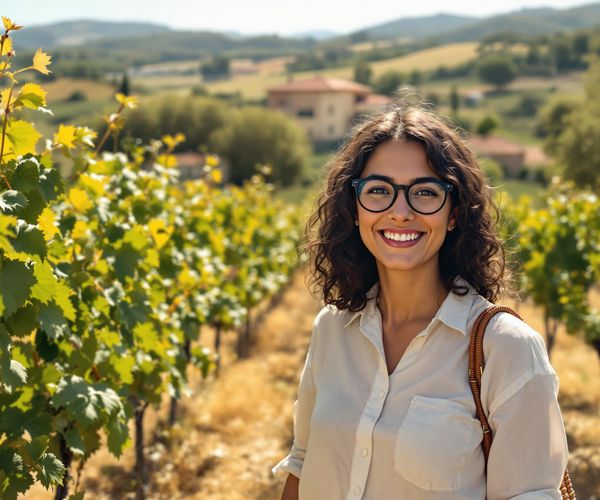
- Participating in vineyard tours to explore landscapes and learn about the winemaking process. Walking among the vines gives you a real appreciation for the work that goes into each bottle.
- Engaging in cellar tours and barrel tastings to understand the craftsmanship behind each bottle. Seeing where the wine ages is fascinating.
- Indulging in food and wine pairings to enhance flavors. A perfectly paired bite can elevate both the food and the wine.
- Attending wine festivals and events to immerse yourself in the wine culture. These events are a great way to try a variety of wines and meet other enthusiasts.
- Considering blending classes or 'taste of the region' tastings to understand regional wines. It’s a fun and educational experience.
- Exploring other activities such as vineyard hikes or harvest experiences. Some wineries offer unique activities that let you get even closer to the winemaking process.
Wine Tourism and Cultural Appreciation
For me, wine tourism is deeply intertwined with cultural appreciation. In regions like France and Italy, winemaking is often a multi-generational family legacy, deeply rooted in the local culture. It's about more than just the drink; it's about history, tradition, and community.
- Understanding the cultural context of wine tourism, especially in regions like France with multi-generational family legacies. These wineries are often family-run for centuries.
- Recognizing that wine tourism can strengthen a region's international reputation and foster cultural exchange. It brings people together and showcases the best of a region.
- Appreciating the history, traditions, and customs associated with wine cultivation, production, and tasting. Every region has its own unique story to tell.
- Supporting local winemakers and the local wine industry by purchasing wines. You're not just buying a bottle of wine; you're supporting a community.
- Being mindful of responsible and moderate consumption patterns to promote a sustainable wine culture. Enjoy in moderation!
- Respecting vineyard and winery rules and guidelines during visits. Remember, you're a guest in their home.
Explore wine regions with our beginner's guide. Learn wine tasting tips and etiquette for a fulfilling wine tourism experience.