Ciao amici! As an Italian-Canadian, born in the heart of Tuscany and now living in vibrant Montreal, I’ve always believed that language is more than just a tool for communication; it's a passport to deeper, richer experiences. Today, I want to share my passion for language learning and how it has transformed my travels from simple sightseeing to profound cultural immersions. Get ready to explore the world through the lens of language!
A Bridge to Understanding: Why Language Matters
Language is the key that unlocks the door to genuine human connection. It's about more than just ordering a coffee or asking for directions; it’s about understanding the nuances of a culture, its history, and its people. When you speak someone's language, you're not just communicating; you're showing respect and a willingness to connect on a deeper level.
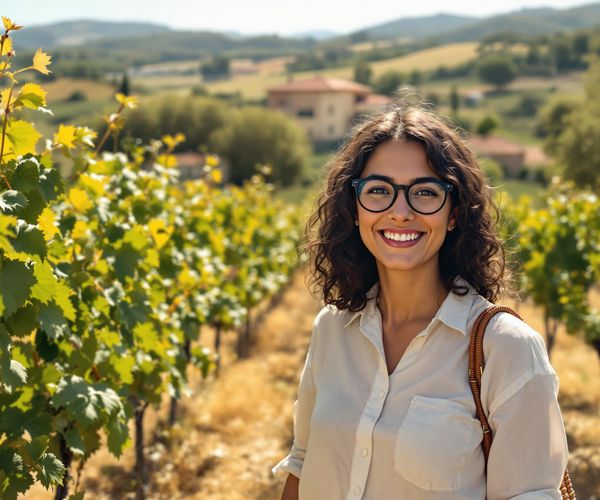
I remember traveling through the Italian countryside, far from the tourist hotspots. My ability to speak Italian allowed me to chat with the local farmers, learn about their traditions, and even share a meal with their families. These experiences weren't in any guidebook; they were authentic moments made possible by language.
Beyond the Tourist Trail: Unlocking Authentic Experiences
Knowing the local language is like having a secret key to unlock hidden gems. It allows you to venture off the beaten path, discover local markets, and participate in cultural events that most tourists miss. When you can communicate with locals, you gain access to a world of authentic experiences that are simply not available to those who stick to English-speaking environments.
During a trip to a small village in Quebec, my French language skills allowed me to discover a local maple syrup festival. I learned about the traditional methods of harvesting maple sap and even tried my hand at making taffy on snow. It was an unforgettable experience that wouldn't have been possible without knowing the language.
Language skills also help you avoid tourist traps. Locals are often more willing to offer genuine recommendations and fair prices to those who make an effort to speak their language. It's a sign of respect that goes a long way.
More Than Words: The Cultural Nuances of Language
Language is a window into a society's values, history, and worldview. It's filled with cultural nuances, idioms, and expressions that reflect a unique way of life. Understanding these nuances is crucial for truly appreciating a culture.
For example, in Italian culture, food is much more than just sustenance; it's a social activity, a way to connect with family and friends. The phrase “a tavola non s'invecchia” (at the table, one does not age) reflects the importance of savoring meals and enjoying the company of loved ones. These insights into Italian culture have been invaluable in understanding the Italian way of life.
From Zero to 'Ciao': Practical Tips for Language Learning
Ready to embark on your language learning journey? Here are some practical tips to get you started:
- Start with the basics: Learn essential phrases like “hello,” “thank you,” and “excuse me.” These simple phrases can make a big difference in how you're received by locals.
- Use language learning apps: Duolingo, Babbel, and Memrise are excellent resources for building vocabulary and grammar skills.
- Watch movies and TV shows: Immerse yourself in the language by watching foreign films and TV shows with subtitles. This can help you improve your listening comprehension and learn new expressions.
- Find a language exchange partner: Connect with native speakers online or in person to practice your language skills. Language exchange programs like HelloTalk and Tandem are great ways to find language partners.
- Incorporate language learning into your daily routine: Listen to foreign language podcasts during your commute, read foreign language newspapers online, or label household items with their names in the target language.
My Italian Journey: A Lifelong Love Affair with Language
My journey with languages began with my native Italian. Growing up in Arezzo, language was simply a part of everyday life. However, it wasn't until I moved to Montreal that I truly appreciated the power of language learning.
Learning French was essential for integrating into Canadian society, and it opened up a whole new world of cultural experiences. I also studied English to be able to communicate more broadly. The process of learning these languages not only improved my communication skills but also broadened my perspective and deepened my understanding of different cultures.
As a librarian specializing in Italian-Canadian history, I am constantly reminded of the importance of language in preserving cultural heritage. Language is the thread that connects us to our past, and it plays a vital role in shaping our identity.
Embracing Imperfection: The Joy of Making Mistakes
One of the biggest obstacles to language learning is the fear of making mistakes. It's natural to feel self-conscious when speaking a new language, but it's important to remember that mistakes are a part of the learning process.
I remember once trying to order a “tazza” (cup) of coffee in Rome, but I accidentally said “razza” (race). The barista looked at me with a puzzled expression before bursting into laughter. It was an embarrassing moment, but it taught me the importance of not taking myself too seriously and embracing the imperfections of language learning.
So, don't be afraid to make mistakes. Embrace them, learn from them, and laugh about them. The most important thing is to keep practicing and keep communicating. After all, language is all about connection, and every conversation is an opportunity to build bridges and create meaningful experiences.
Explore how learning new languages enhances your travel experiences, offering deeper cultural immersion and authentic interactions with locals. Discover practical tips and resources to start your language learning journey.