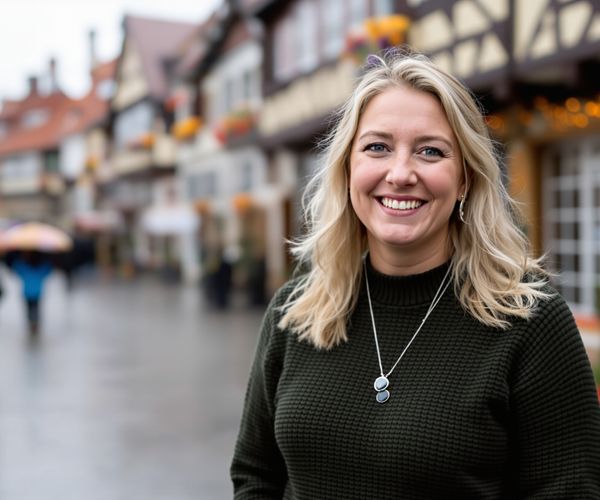
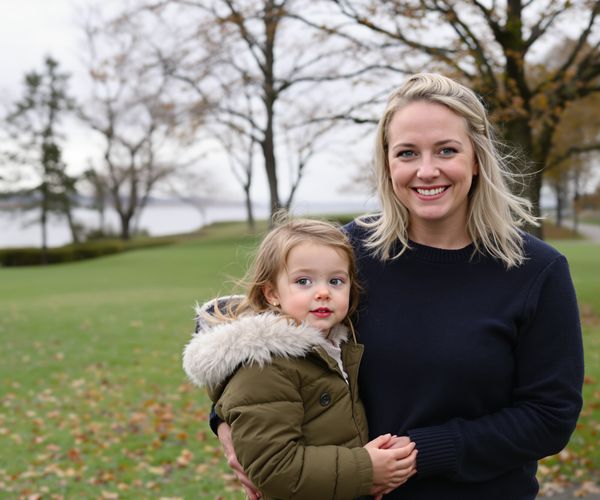
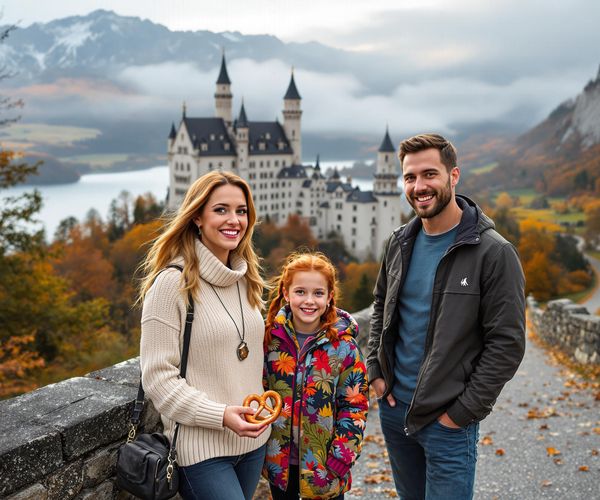
Family travel is an enriching experience, offering opportunities for bonding, learning, and creating lasting memories. As a librarian specializing in Nordic literature and a mother, I've learned that the key to a successful family trip lies in balancing cultural immersion with activities that cater to all ages. Join me as I share insights and anecdotes from my own family's adventures, exploring how to make travel both educational and enjoyable for everyone.
Embracing Cultural Immersion as a Family
Cultural immersion offers invaluable benefits for both children and adults. It broadens horizons, fosters empathy, and deepens understanding of the world around us. For children, experiencing different cultures firsthand can spark curiosity and a lifelong love of learning.
Growing up in Ísafjörður, Iceland, I was immersed in a rich tapestry of folklore and traditions. My grandmother, a masterful storyteller, regaled me with tales of elves, trolls, and ancient Viking sagas. These stories ignited my imagination and instilled in me a profound appreciation for my heritage. When I share these stories with my daughter, Astrid, during our travels back to Iceland, I see the same spark in her eyes.
One of my favorite memories is taking Astrid to a traditional Icelandic storytelling session in Reykjavik. The storyteller, with his booming voice and expressive gestures, captivated Astrid with tales of brave warriors and mythical creatures. Afterwards, she peppered me with questions about the characters and their adventures. It was a magical experience that brought Icelandic culture to life for her.
Similarly, living in Hannover, Germany, has provided us with opportunities to explore German folklore. We've visited the Brothers Grimm Museum in Kassel, where Astrid learned about the origins of classic fairy tales like Cinderella and Hansel and Gretel. We've also attended local festivals, where she's marveled at traditional German costumes and dances.
When planning cultural activities for children, it's important to choose age-appropriate experiences. Visiting historical sites can be fascinating, but it's essential to make them engaging for younger travelers. Consider hiring a local guide who can bring the history to life with stories and anecdotes. Attending local festivals is another great way to immerse children in a culture, as they offer a sensory feast of sights, sounds, and tastes. And of course, trying traditional foods is a must! Astrid loves sampling different types of Wurst (sausage) at German Christmas markets.
Planning an Itinerary That Caters to Everyone
A well-planned itinerary is crucial for a successful family trip. However, it's equally important to balance structured activities with free time and flexibility. Children need time to run, play, and explore at their own pace. Overloading them with activities can lead to exhaustion and crankiness.
When researching destinations, look for places that offer a variety of cultural and fun activities for different age groups. For example, a city like Rome offers ancient ruins, art museums, and delicious gelato, appealing to both adults and children. A nature-focused destination like the Black Forest in Germany provides opportunities for hiking, biking, and exploring charming villages.
Involving children in the planning process is a great way to ensure their interests are considered. Ask them what they want to see and do, and try to incorporate their suggestions into the itinerary. Astrid loves looking at travel brochures and choosing activities that appeal to her. This gives her a sense of ownership over the trip and makes her more excited about the adventure.
Making Learning Fun: Educational Activities on the Go
Travel provides countless opportunities for learning. Whether it's learning a new language, exploring a historical site, or discovering a new ecosystem, travel can be a powerful educational tool.
One of the best ways to incorporate learning into travel experiences is through language learning. Before our trips to Italy, we downloaded a language learning app and practiced basic Italian phrases with Astrid. She loved greeting people with a cheerful Ciao! and ordering gelato in Italian.
Historical scavenger hunts are another fun way to engage children in learning. Before visiting a historical site, create a list of things for them to find, such as a specific architectural feature or a statue of a famous person. This turns the visit into a game and encourages them to pay attention to the details.
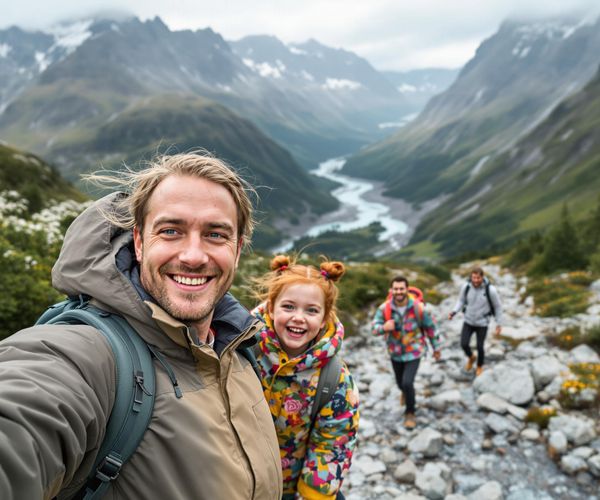
Nature walks are also a great way to learn about the environment. During our hikes in the Harz Mountains, we used a field guide to identify different types of trees, flowers, and birds. Astrid was fascinated by the diverse flora and fauna and loved collecting leaves and stones.
Museums and cultural centers play a vital role in children's education. Look for museums that offer interactive exhibits and programs designed for children. The Deutsches Museum in Munich, for example, has a fantastic children's area where Astrid can conduct science experiments and learn about technology in a hands-on way.
Sustainable Travel: Teaching Responsibility Through Exploration
Sustainable travel is not just a trend; it's a responsibility. It's about minimizing our impact on the environment and supporting local communities. When we travel with children, we have the opportunity to teach them about environmental responsibility and the importance of preserving our planet.
There are many ways to practice eco-friendly travel. Reducing waste is a simple but effective way to minimize our impact. We always bring reusable water bottles, shopping bags, and snack containers. We also try to avoid single-use plastics whenever possible.
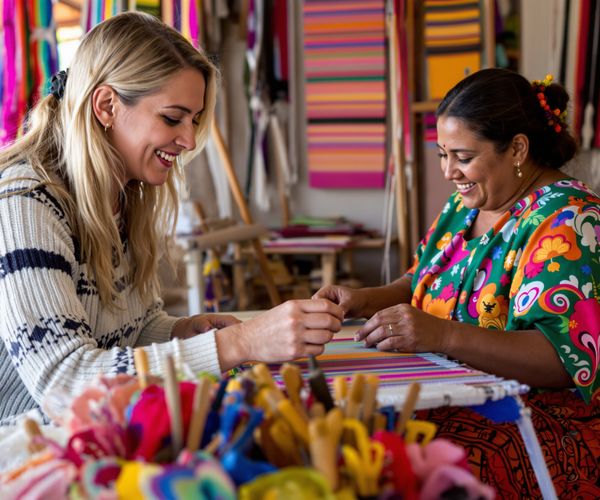
Supporting local businesses is another important aspect of sustainable travel. When we eat at local restaurants and buy souvenirs from local artisans, we're helping to support the local economy and preserve traditional crafts.
Choosing sustainable accommodations is also crucial. Look for hotels and guesthouses that have implemented eco-friendly practices, such as using renewable energy, conserving water, and recycling waste.
Iceland and Germany offer many examples of sustainable tourism initiatives. In Iceland, you can visit eco-friendly farms, go whale watching with responsible tour operators, and stay in geothermal-heated hotels. In Germany, you can explore national parks, cycle along well-maintained bike paths, and visit organic farms.
We teach Astrid about environmental responsibility by involving her in our sustainable travel practices. She helps us sort the recycling, choose eco-friendly souvenirs, and conserve water. We also talk to her about the impact of our choices on the environment and local communities.
Flexibility is Key: Adapting to Unforeseen Circumstances
No matter how well you plan, unexpected challenges are inevitable when traveling with children. A delayed flight, a sudden illness, or a change in weather can throw your itinerary into disarray. The key is to be flexible and adaptable.
I remember one trip to Berlin when Astrid came down with a fever. We had planned to visit the Brandenburg Gate and the Reichstag Building, but instead, we spent the day in our hotel room, reading books and watching movies. While it wasn't the day we had planned, it turned into a cozy and memorable experience.
To prepare for unexpected challenges, pack a well-stocked first-aid kit, including medications for common ailments. Bring extra snacks and drinks in case of delays. And most importantly, have a backup plan in case your original plans fall through.
Turning unexpected situations into learning opportunities can also be a great way to make the most of them. If your flight is delayed, use the time to learn about the airport or the city you're in. If the weather is bad, visit a museum or an indoor attraction.
Traveling with children is an adventure, full of unexpected twists and turns. But with a little planning, flexibility, and a sense of humor, you can create unforgettable memories that will last a lifetime.
Discover how to create memorable travel experiences that cater to both adults and children, ensuring a fun and educational journey.