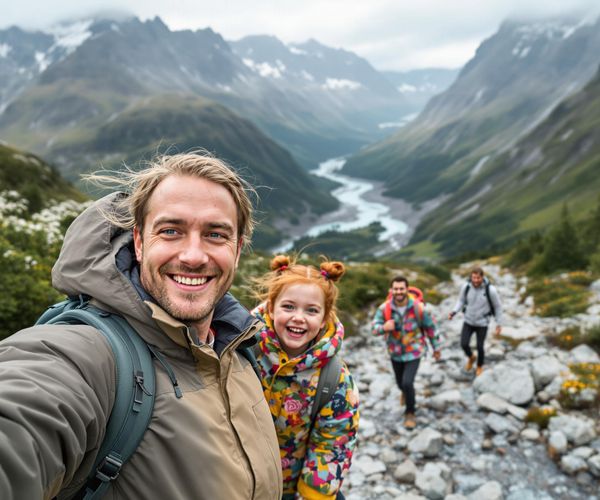
As a librarian specializing in Nordic literature, I've always believed that travel is more than just ticking off destinations on a list. It's about connecting with cultures, contributing to communities, and enriching our understanding of the world. Join me as I share my experiences and tips on how to make your travels truly meaningful.
Defining Purposeful Travel
Purposeful travel, to me, is about intentionally seeking experiences that go beyond the typical tourist activities. It's about engaging with a place on a deeper level, leaving a positive impact, and fostering mutual understanding. Unlike traditional tourism, which often focuses on leisure and sightseeing, purposeful travel prioritizes meaningful interactions and contributions.
The benefits are twofold. For the traveler, it offers personal growth, a broader perspective, and a sense of fulfillment. For the host community, it can provide support, cultural exchange, and a boost to local economies. It's about creating a symbiotic relationship where both parties benefit from the interaction.
Volunteer Opportunities: Giving Back While Exploring
One of the most rewarding ways to engage in purposeful travel is through volunteer work. Over the years, I've had the opportunity to participate in various volunteer projects, from environmental conservation in Iceland to community development in South America. Each experience has left an indelible mark on my heart.
There are countless types of volunteer projects available, catering to different interests and skill sets. You could help protect endangered species, teach English to children, or assist with building sustainable infrastructure. The possibilities are endless!
Finding reputable volunteer organizations is crucial. I recommend researching organizations thoroughly, reading reviews, and ensuring they align with your values. Some excellent resources include Workaway, IVHQ, GoEco, and the UN Volunteers program. These platforms offer a wide range of opportunities with varying levels of commitment and cost.
However, it's essential to be mindful of ethical volunteering and avoid what's known as voluntourism. Ensure that your efforts are genuinely beneficial to the community and that you're not taking jobs away from local people. Ethical volunteering prioritizes the needs and well-being of the host community above all else.
Cultural Exchange: Immersing Yourself in Local Traditions
Cultural exchange programs offer another fantastic way to deepen your travel experiences. Living with local families or participating in cultural immersion activities allows you to gain firsthand insights into different ways of life. I still remember the warmth and hospitality I experienced while living with a family in rural Japan – an experience that broadened my understanding of Japanese culture far beyond what any guidebook could offer.
Cultural sensitivity is paramount when engaging in cultural exchange. It's important to respect local customs, traditions, and social norms. Learning basic phrases in the local language can go a long way in showing your respect and facilitating meaningful interactions. Being aware of non-verbal communication is also crucial, as gestures and body language can vary significantly across cultures.
Resources like AFS Intercultural Programs and Exchange Families International offer structured cultural exchange opportunities for individuals and families. Consider a family exchange program if you have children, as it can be an incredibly enriching experience for them.
Learning Opportunities: Enriching Your Mind While Traveling
Combining travel with learning is a surefire way to enhance your journey. Whether it's taking a language course in Italy, a cooking class in Thailand, or a pottery workshop in Mexico, learning opportunities can add depth and meaning to your travels.
I'll never forget the time I took a course on Viking history while traveling through Scandinavia. It brought the historical sites to life and gave me a much deeper appreciation for the region's rich heritage.
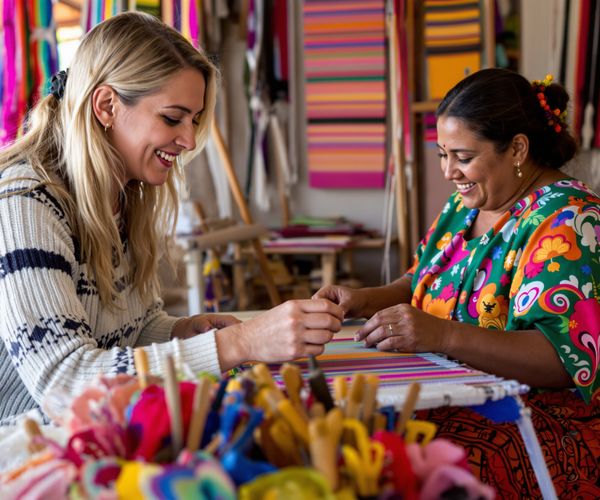
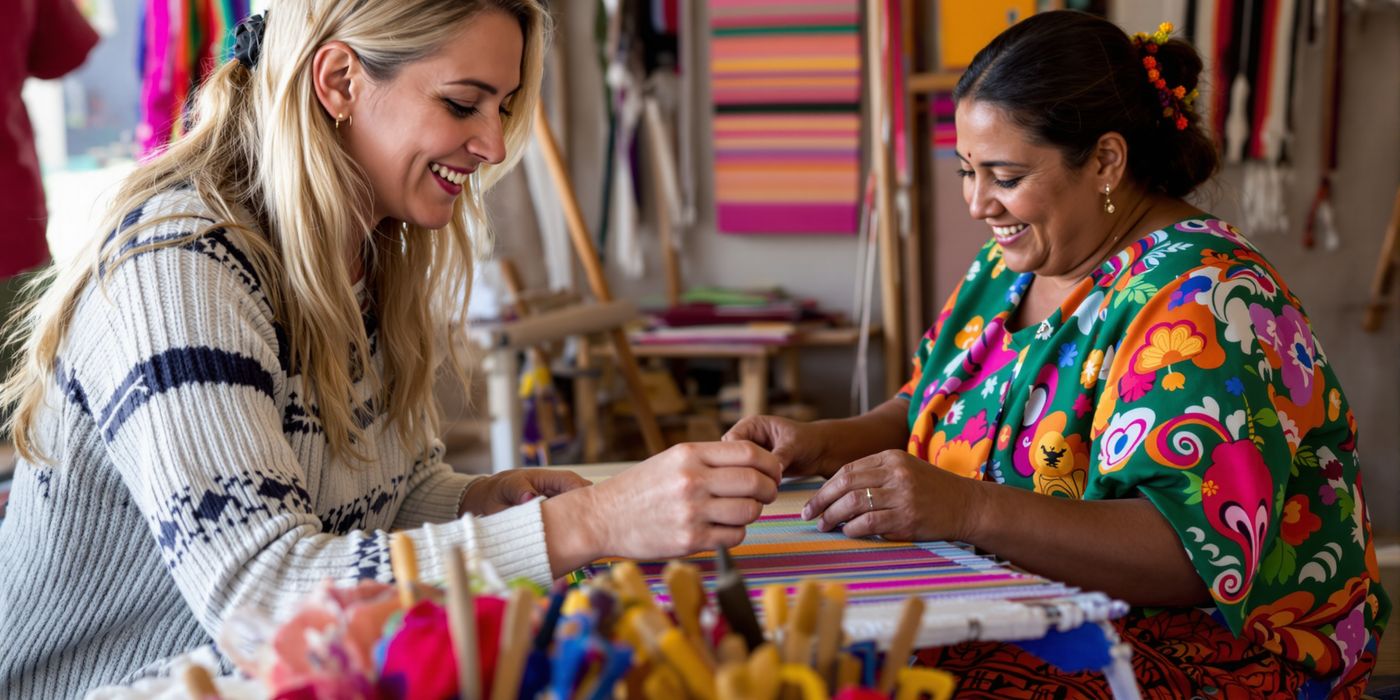
When seeking educational opportunities, consider supporting local businesses and artisans. This not only enriches your experience but also contributes to the local economy. Look for workshops or classes taught by local experts, and be open to learning new skills and perspectives.
Sustainable Tourism: Minimizing Your Impact
Sustainable tourism is about traveling in a way that minimizes your environmental impact and supports the long-term well-being of destinations. It's about making conscious choices that protect the environment, preserve cultural heritage, and benefit local communities.
There are many ways to reduce your environmental footprint while traveling. Opt for public transport whenever possible, reduce your waste by bringing reusable containers and water bottles, and conserve water and energy. Every small action can make a difference.
Supporting local economies is another key aspect of sustainable tourism. Buy locally made products and services, eat at local restaurants, and stay in locally owned accommodations. This ensures that your money stays within the community and contributes to its economic development.
Initiatives like the One Planet Sustainable Tourism Programme and WTTC's sustainable tourism initiatives are working to promote sustainable tourism practices worldwide. Look for destinations and tour operators that are committed to these principles.
Bhutan's controlled tourism policies and Fiji's solar-powered resorts are excellent examples of sustainable tourism in action. These initiatives demonstrate that it's possible to travel in a way that benefits both the environment and local communities.
Responsible Travel: Respecting Cultures and Communities
Responsible travel goes hand in hand with purposeful travel. It's about being mindful of your impact on local cultures and communities and taking steps to minimize any negative effects. This includes respecting local customs, traditions, and social norms.
Before you travel, take the time to research your destination. Learn about its history, culture, and social norms. Dress appropriately, be mindful of your behavior, and avoid actions that could be considered disrespectful. Remember, you are a guest in their home.
Some of my most cherished travel memories involve meaningful interactions with local people. Whether it was sharing a meal with a family in Morocco or learning traditional weaving techniques from artisans in Guatemala, these experiences enriched my understanding of the world and created lasting connections.
Tourism can have negative impacts on local communities, such as overcrowding, environmental degradation, and the exploitation of local resources. By practicing responsible travel, we can minimize these impacts and ensure that tourism benefits, rather than harms, the places we visit.
Discover how to make your travels more meaningful by engaging in volunteer work, cultural exchanges, and learning opportunities. Get inspired to travel with purpose!