As an Icelander living in Germany, I've always found myself drawn back to the captivating tales of Nordic mythology. These stories, passed down through generations, aren't just ancient lore; they're a living, breathing part of the Nordic landscape. For me, travel isn't just about seeing new places; it's about experiencing them on a deeper level, connecting with the stories that have shaped the land and its people. Let's embark on a journey where myth meets reality, exploring the enchanting sites where gods, giants, and mythical creatures once roamed.
The Enduring Allure of Nordic Myths
It's no secret that Nordic mythology has experienced a resurgence in recent years. From Marvel's portrayal of Thor to the gripping TV series 'Vikings,' these ancient stories have captured the imaginations of people worldwide. But beyond the entertainment value, this renewed interest offers a unique opportunity to deepen our travel experiences in Nordic countries. Understanding Norse mythology isn't just about knowing the names of the gods; it's about understanding the worldview, the values, and the cultural heritage of the people who live in these lands.
At the heart of Norse cosmology lies Yggdrasil, the World Tree, connecting the Nine Worlds. Imagine Asgard, the home of the gods; Midgard, the realm of humans; and Jotunheim, the land of the giants. These realms, and others like them, are interwoven into the very fabric of the Nordic landscape, offering a rich tapestry of stories to explore.
Walking in the Footsteps of Gods and Giants: Mythical Sites to Visit
One of the most rewarding aspects of traveling in Nordic countries is the opportunity to walk in the footsteps of gods and giants. Here are a few mythical sites that I've personally found particularly enchanting:
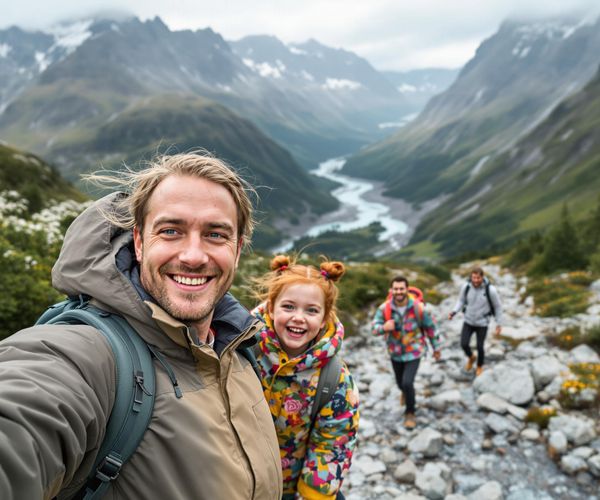
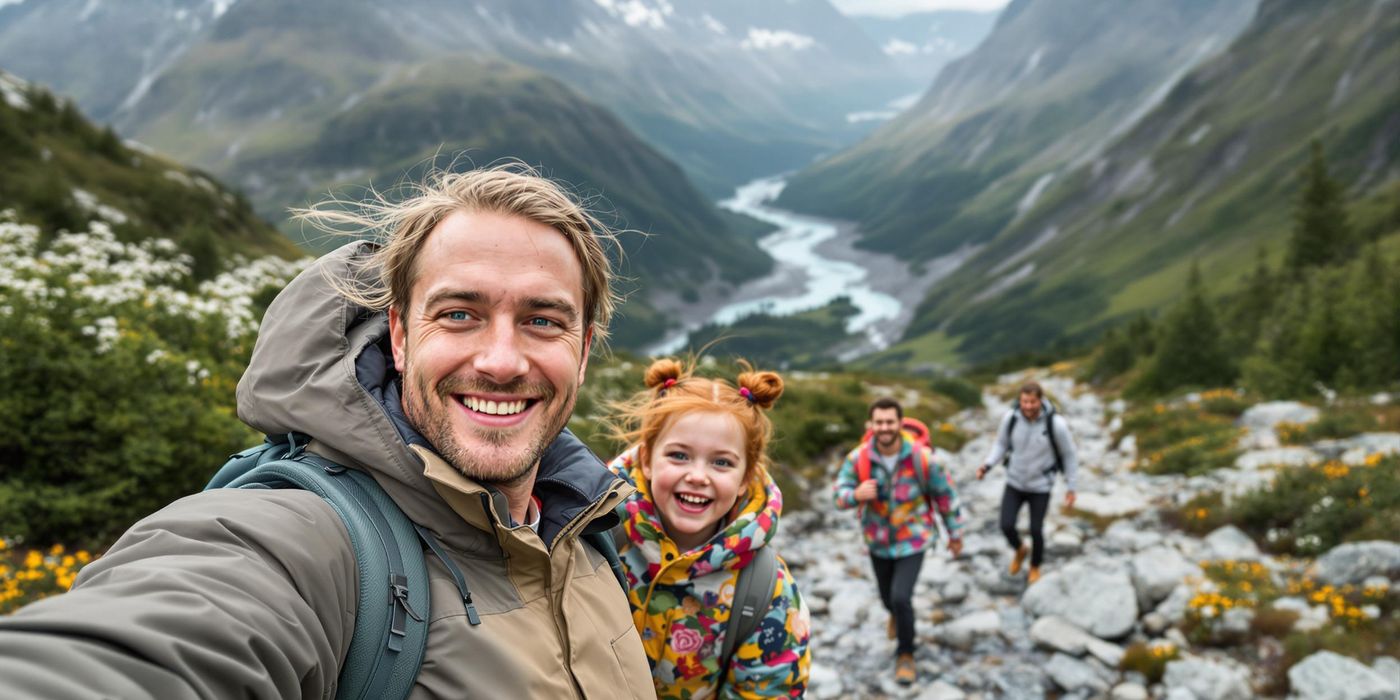
- Jotunheimen, Norway: Known as the 'Land of the Giants,' Jotunheimen is a mountain range that truly lives up to its name. As you hike through its dramatic landscapes, it's easy to imagine the Jotnar, the giants of Norse mythology, roaming these peaks. The raw power of nature is palpable here, and the connection to the myths is undeniable. I remember one hike where the wind howled through the valleys, and it felt as if the giants themselves were whispering their stories.
- Lofoten Islands, Norway: The Lofoten Islands are renowned for their stunning beauty, but they also hold a special place in Norse mythology. The Northern Lights, which dance across the sky during the winter months, were once believed to be the Valkyries, the warrior maidens of Odin, riding their horses across the heavens. Watching the Aurora Borealis in Lofoten is an experience that connects you to the ancient beliefs of the Norse people.
- Snæfellsjökull & Helgafell, Iceland: As an Icelander, I couldn't leave out these gems from my home country. Snæfellsjökull, a glacier-capped volcano, is believed to be a gateway to the underworld in Norse mythology. The energy here is palpable, and it's easy to understand why it's considered a mystical place. Nearby, Helgafell is known as a place of pilgrimage and connection to the afterlife. It's said that if you climb the mountain in silence and make three wishes, they will come true. I've climbed Helgafell many times, and each time I feel a profound sense of peace and connection to my ancestors.
- Trolltunga, Norway: This iconic rock formation, jutting out over a stunning fjord, is a testament to the prevalence of troll folklore in Norway. Trolls are a common feature in Norse mythology, often depicted as mischievous or dangerous creatures living in the mountains and forests. Standing on Trolltunga, it's easy to imagine these mythical beings lurking in the shadows, adding a touch of mystery to the already breathtaking scenery.
Mythological Creatures and Natural Phenomena
In Nordic countries, natural phenomena are often intertwined with mythological beliefs. The Aurora Borealis, as mentioned earlier, is a prime example. In Norse mythology, it was believed to be Bifrost, the burning bridge between Midgard (Earth) and Asgard, the realm of the gods. Imagine seeing those vibrant colors dancing across the sky and knowing that, according to ancient beliefs, you're witnessing a pathway to another world.
Trolls, too, are deeply connected to the landscape. These creatures are often associated with rocks, mountains, and forests, embodying the untamed and sometimes dangerous aspects of nature. Hiking through a dense forest in Norway, you might just feel like you're stepping into the realm of trolls, adding an extra layer of excitement to your adventure.
Experiencing Nordic Mythology Through Museums and Cultural Sites
To further immerse yourself in Nordic mythology, I highly recommend visiting museums and cultural sites. Here are a few that I've found particularly enriching:
- Viking Ship Museum in Oslo, Norway: This museum houses remarkably well-preserved Viking ships, offering a glimpse into the seafaring culture of the Norse people. Seeing these ships up close, you can almost imagine the Vikings sailing across the seas, guided by their gods and legends.
- National Museum of Iceland, Reykjavik: This museum provides a comprehensive overview of Icelandic history and culture, including exhibits on Norse mythology and its influence on Icelandic society. It's a great place to delve deeper into the stories and beliefs that have shaped my homeland.
- Historical sites in Sweden: Sweden is dotted with ancient historical sites, including rune stones, burial mounds, and Viking settlements. Exploring these sites is like stepping back in time, connecting with the ancestors who lived and breathed these myths.
The Mythology of Water
Water holds a significant place in Nordic mythology. Deities like Njord, Aegir, and Rán are associated with the sea, each embodying different aspects of its power and mystery. Njord is the god of seafaring, wind, fishing, and wealth; Aegir is a sea giant; and Rán is the goddess of the sea who collects the drowned in her net.
Fjords and other bodies of water shaped the mythology and beliefs of the Norse people. The sea was not only a source of sustenance but also a pathway for exploration and trade. The Vikings, renowned seafarers, relied on their knowledge of the sea and their faith in the sea gods to navigate the treacherous waters. The myths reflect this close relationship, portraying the sea as both a life-giving force and a dangerous realm to be respected.
Explore the allure of Nordic myths and mythical landscapes. Discover how Norse mythology enriches travel experiences with visits to sites steeped in legend.