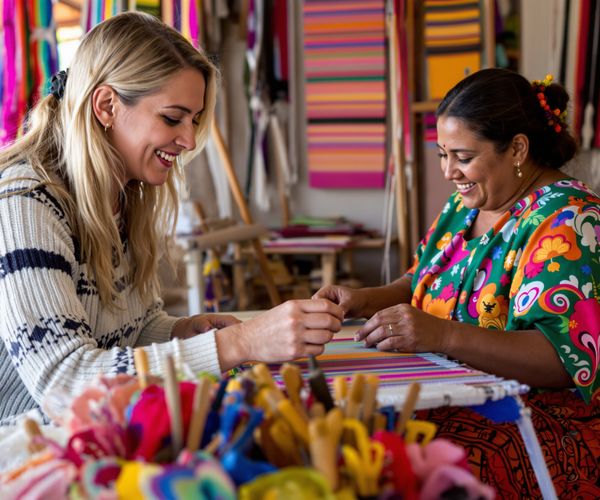
As an Icelander living in Germany, I've always felt a deep connection to nature. My upbringing in Ísafjörður instilled in me a profound respect for the environment and a desire to explore the world responsibly. Now, with my husband Maximilian and our daughter Astrid, I strive to make our travels not just memorable, but also sustainable. Let's embark on a journey to discover how we can all make a positive impact on our travels.
Understanding Sustainable Travel
Sustainable travel, at its core, is about respecting our planet, its local communities, and the generations to come. It's a mindful approach that considers the environmental, social, and economic impacts of our journeys. It's not just a trend; it's a necessity, especially now in 2026, as climate awareness grows and we witness the effects of our actions on the world around us.
There are three main pillars to consider: the environment, society, and the economy. Environmentally, we aim to minimize our carbon footprint and protect natural resources. Socially, we seek to support local cultures and ensure that tourism benefits the communities we visit. Economically, we strive to contribute to local economies and promote fair labor practices.
Eco-Friendly Accommodations: Choosing Wisely
One of the easiest ways to make your travels more sustainable is by choosing eco-friendly accommodations. Thankfully, the rise of such options is noticeable, with everything from luxury resorts to budget hostels embracing sustainable practices. When booking, look for certifications like Green Key, EarthCheck, or Travelife. These certifications indicate that the accommodation meets certain environmental standards.
During our trip to the Black Forest last summer, Maximilian found a wonderful family-run guesthouse that used solar power and sourced their food locally. It was a small, simple place, but it made a big difference to our environmental impact and also allowed us to connect with the local community on a deeper level. Also consider small-scale family guesthouses or eco-lodges to directly support local communities.
Sustainable Transportation: Reducing Your Carbon Footprint
Transportation often accounts for a significant portion of a traveler's carbon footprint. Opting for low-emission transportation is key to sustainable travel. Whenever possible, walk, cycle, or use local transportation. Renting e-bikes is also a fantastic option for exploring cities and countryside alike. Many cities now offer bike-sharing programs, making it easy and affordable to get around without a car.
When flying, choose direct flights to minimize fuel consumption and consider exploring carbon offset programs. While not a perfect solution, carbon offsetting can help mitigate the environmental impact of air travel. Electric vehicles (EVs) are also becoming more accessible for local travel and rental services. In Hannover, we've seen a significant increase in the availability of EV rentals, making it easier for tourists to explore the region sustainably.
Supporting Local Communities: Travel with Respect
Traveling sustainably also means supporting local communities and respecting their cultures. Choose service providers with regenerative practices, involving local community members. This could mean staying in locally-owned hotels, eating at family-run restaurants, or hiring local guides.
Participate in community-led conservation projects and cultural programs. Many destinations offer opportunities to volunteer in environmental conservation or learn about local traditions through workshops and demonstrations. Always remember to respect local traditions, customs, and religions. Dress modestly when visiting religious sites, ask permission before taking photos of people, and be mindful of local customs and etiquette.
Practical Tips for Sustainable Travel in 2026
There are many small, practical steps we can all take to make our travels more sustainable. One of the simplest is to bring reusable items. Pack a reusable water bottle, cutlery, and cotton bags. This will help you avoid single-use plastics and reduce waste.
Whenever possible, use digital tickets and documents instead of printouts. This saves paper and reduces clutter. When buying sunscreen, choose one without oxybenzone or octinoxate to protect coral reefs. These chemicals can harm marine life and contribute to coral bleaching.
Regenerative Travel: Leaving a Place Better Than You Found It
The concept of regenerative tourism is gaining traction, shifting the focus from simply minimizing harm to actively restoring and improving destinations. This involves participating in activities that benefit the environment and local communities, leaving a positive impact on the places we visit.
Consider participating in habitat restoration, coral reef rebuilding, and local farming. Many organizations offer opportunities to volunteer in these types of projects. Support organic farms and horticulture colleges by buying their produce or taking a workshop. This helps promote sustainable agriculture and supports local economies.
Sustainable Travel Trends in 2026
In 2026, we're seeing some exciting trends in sustainable travel. Some cities are now rewarding tourists for sustainable travel practices, offering incentives for choosing eco-friendly transportation or staying in certified green accommodations.
Another trend is the rise of 'Hushpitality,' which focuses on nature-first, community-led journeys. These experiences prioritize immersion in nature and connection with local communities. Eco-volunteering and slow travel are also becoming increasingly popular, allowing travelers to engage in deeper cultural immersion and contribute to conservation efforts.
By embracing these practices, we can ensure that our travels not only enrich our lives but also contribute to a healthier planet and more vibrant communities. Let's continue to explore the world with respect, curiosity, and a commitment to sustainability.
Discover practical tips and inspiring stories on making your travels sustainable and environmentally friendly. Learn about eco-friendly accommodations, transportation, and supporting local communities.