There's a unique charm to discovering a place through its food, and for me, nothing captures this essence quite like visiting local farmers' markets. Whether I'm in the heart of Hannover or exploring a new corner of the world, these vibrant hubs offer a window into the soul of a community. It's more than just buying groceries; it's about connecting with the people who grow and create the food we eat, and experiencing the authentic flavors of the region.
A Taste of Local Culture
Farmers' markets are, in my opinion, cultural gateways. They offer a taste of local traditions and culinary heritage that you simply can't find in a supermarket. You get to experience a region's unique identity through its produce, artisanal goods, and prepared foods. I remember visiting a small market in the south of France, where the air was filled with the aroma of lavender and freshly baked bread. The vibrant colors of the fruits and vegetables, the lively chatter of the vendors, and the distinct local accents created a sensory experience that truly immersed me in the culture.
During my travels, I've encountered markets that showcase distinct cultural practices in fascinating ways. In Iceland, for instance, I've seen markets that celebrate the country's fishing heritage with demonstrations of traditional fish curing and smoking techniques. In Germany, the Christmas markets are a prime example, each town offering its unique take on festive treats and handcrafted goods. These experiences are not just about shopping; they're about learning, connecting, and understanding the local way of life.
Supporting Local Economies
One of the most significant benefits of visiting farmers' markets is the direct impact they have on local farmers and producers. By buying directly from them, you ensure that a larger share of the profits stays within the community. This is particularly important in rural areas, where farmers' markets can be a lifeline for small-scale agricultural businesses.
Farmers' markets also foster entrepreneurship and create jobs. They provide a platform for local artisans and food producers to showcase their talents and build their businesses. This, in turn, contributes to the overall economic vitality of the region. The money spent at these markets circulates within the local economy, benefiting other businesses and creating a multiplier effect. It's a sustainable way to support the community and ensure its long-term prosperity. I always feel good knowing that my purchases are directly helping families and individuals thrive.
A Sustainable Way to Travel
Beyond the cultural and economic benefits, farmers' markets offer a sustainable tourism option. By sourcing food locally, you reduce transportation costs and emissions associated with long-distance shipping. This is especially important in today's world, where we are increasingly aware of the environmental impact of our choices.
Many local farmers also emphasize environmentally friendly practices, such as organic farming and sustainable land management. This promotes biodiversity and healthy ecosystems. By supporting these farmers, you are contributing to a more sustainable food system and helping to protect the environment. Moreover, supporting local agriculture contributes to food security and reduces reliance on industrial-scale operations that can have negative environmental and social consequences.
Engaging with Vendors: More Than Just a Transaction
Visiting farmers' markets is about more than just buying and selling; it's about building relationships and fostering a sense of community. When interacting with vendors, it's essential to approach conversations with respect and curiosity. Ask about the origin of their products, their preparation methods, and their personal stories. You'll often find that farmers and artisans are passionate about their work and eager to share their knowledge.
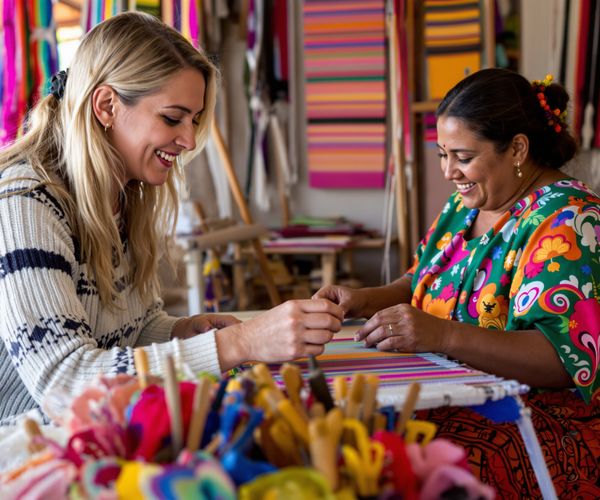
I've had some truly memorable conversations with vendors at farmers' markets. I recall speaking with an elderly woman in Iceland who had been knitting traditional Lopapeysa sweaters for over 50 years. Her stories about the history of the craft and the symbolism of the patterns were fascinating. These personal connections with farmers and artisans foster a deeper appreciation for their work and the local culture. It transforms a simple transaction into a meaningful experience.
Guðrún's Market Memories
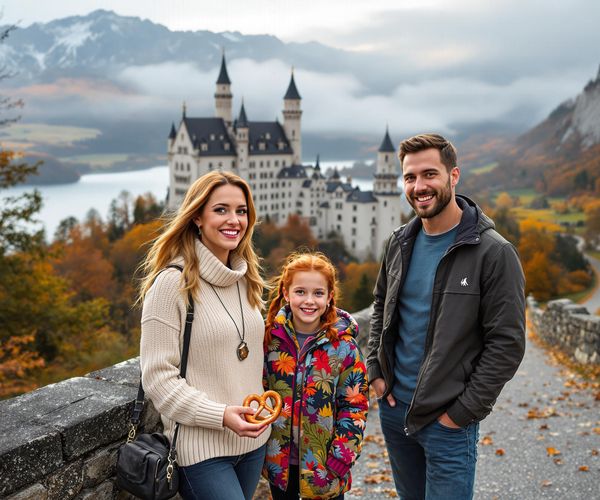
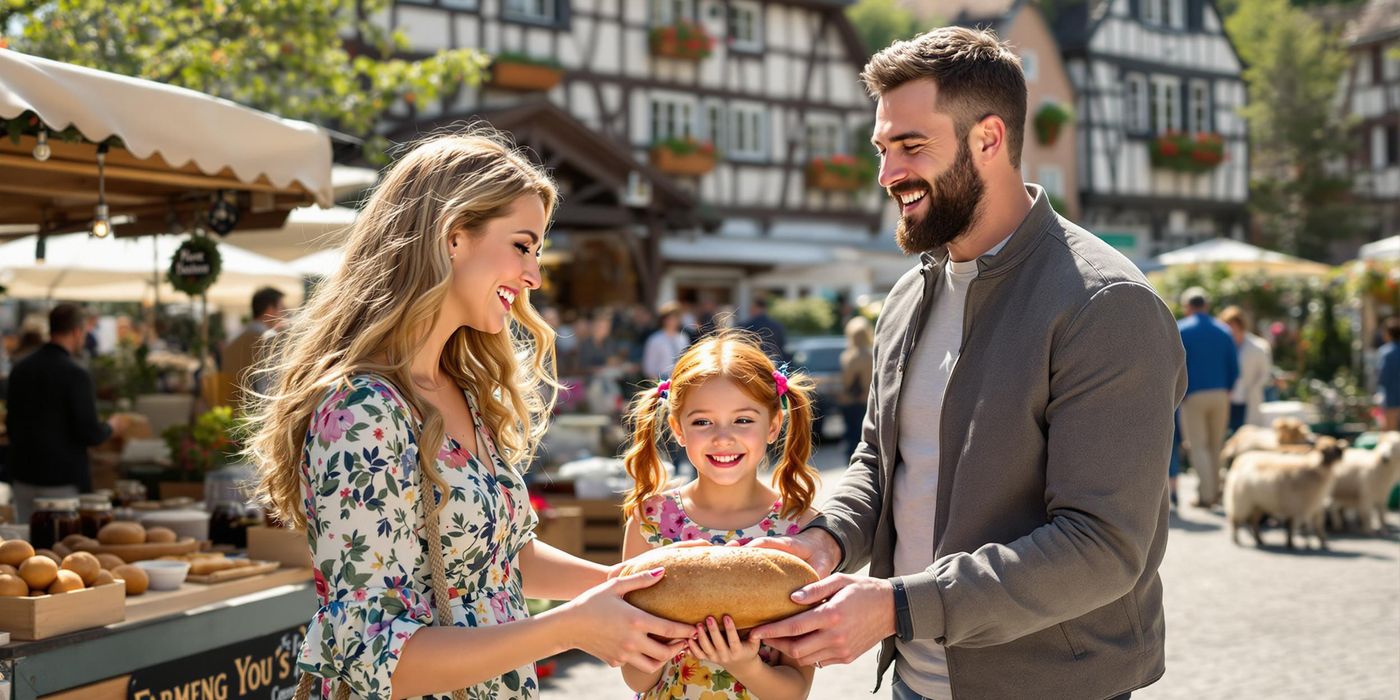
One of my most cherished market memories comes from a visit to a small farmers' market in the Harz Mountains, not far from Hannover. Maximilian, Astrid and I stumbled upon it during a weekend hike. The market was nestled in a picturesque village square, surrounded by half-timbered houses. What struck me most was the sense of community. Farmers, bakers, and artisans from the surrounding area gathered to sell their goods, and locals mingled and chatted, creating a warm and welcoming atmosphere.
I remember buying some freshly baked bread from a local baker, a hearty rye loaf with a crispy crust. The aroma alone was intoxicating. We also purchased some homemade jam from a farmer who grew his own berries. Astrid, especially, loved the experience. She was fascinated by the animals at a small petting zoo set up for children. We spent the afternoon wandering through the market, sampling local delicacies, and chatting with the vendors. It was a simple yet profound experience that enriched my understanding of the local community and culture. It reminded me that travel is not just about seeing famous landmarks; it's about connecting with people and experiencing the everyday joys of life.
Discover the joy of farmers' markets while traveling. Support local economies, experience regional flavors, and connect with communities. Guðrún shares her experiences and tips.