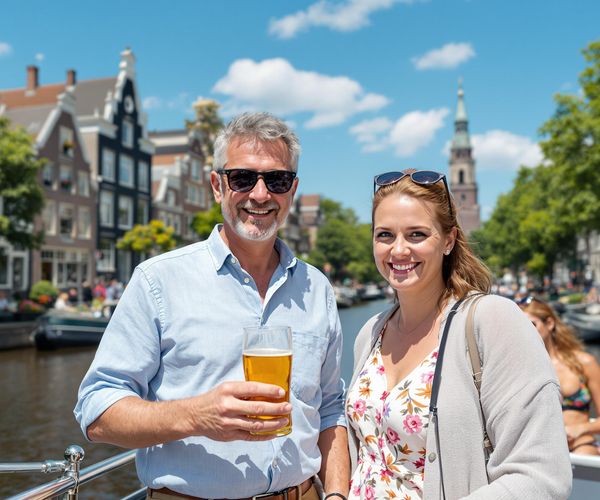
As a restorer of antique furniture, I, Johann Gruber, have always appreciated the value of preserving history and tradition. This appreciation extends beyond my craft to my travels. My wife, Elke, and I have explored many corners of Europe, always seeking to minimize our impact and contribute positively to the places we visit. Sustainable travel, once a niche concept, is now a necessity. It's about ensuring that future generations can enjoy the same cultural and natural wonders that we cherish today.
Understanding Sustainable Travel
Sustainable travel is more than just a trend; it's a commitment to minimizing environmental harm, respecting local cultures, and positively impacting communities. It's about making conscious choices that benefit both the planet and the people who call these destinations home.
The shift towards sustainable travel is undeniable. According to Booking.com's 2025 research, there's a growing awareness of tourism's impact on the environment and local communities. People are increasingly seeking ways to travel responsibly, and that's a heartening development.
The benefits of eco-friendly travel are manifold. It protects our environment, preserves cultural heritage, and fosters economic growth for local communities. When we choose to travel sustainably, we're investing in a better future for everyone.
For me, sustainable travel aligns perfectly with my values. History, architecture, and respect for tradition are at the core of what I do. When I travel, I want to experience these things authentically, without contributing to their degradation. I want to leave a place better than I found it.
Eco-Friendly Transportation Choices
Transportation plays a significant role in generating carbon emissions, so it's crucial to consider our options carefully. Reducing your carbon footprint starts with prioritizing eco-friendly transport.
Walking, biking, public transportation, and trains are all excellent choices. Studies have shown that using trains instead of domestic flights can reduce emissions by up to 86%. That's a substantial difference!
For longer distances, trains are a greener alternative to air travel. I have fond memories of traveling through Europe by train, enjoying the scenic landscapes and avoiding the stress of airports. The journey itself becomes part of the adventure.
Another option is to offset your carbon emissions by contributing to projects like tree planting or renewable energy initiatives. While it's not a perfect solution, it's a way to mitigate the impact of your travel.
Electric vehicles (EVs) are also becoming increasingly popular. Renting an electric or hybrid model is a great way to reduce your emissions while exploring a new destination. The advancements in battery technology are making EVs more practical for longer journeys.
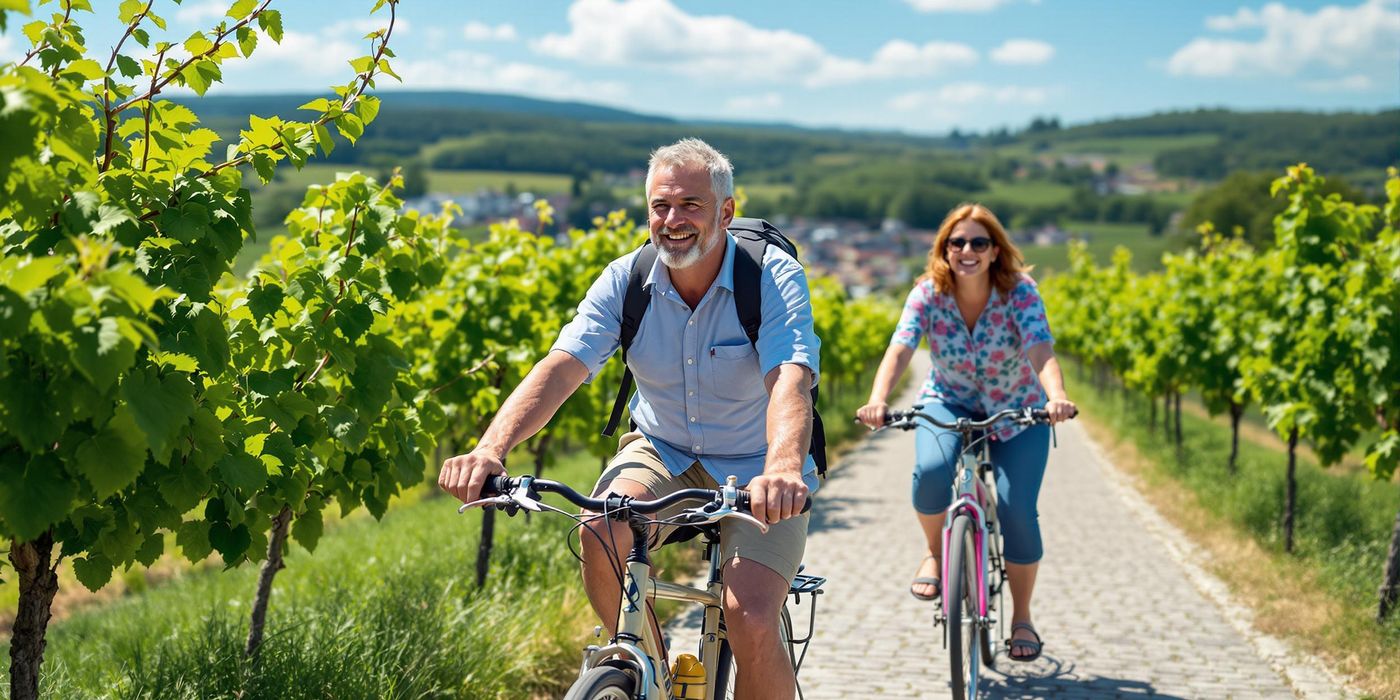
Personally, I prefer train travel whenever possible. There's something magical about watching the world go by from the window of a train. I also enjoy cycling through historical towns, immersing myself in the local atmosphere at a slower pace. Elke and I once spent a week cycling through the Rhine Valley, stopping at charming villages and vineyards along the way. It was an unforgettable experience.
Sustainable Accommodations
Where we choose to stay also has a significant impact on the environment. Opting for accommodations with minimal environmental impact is a key aspect of sustainable travel.
Look for hotels or lodges with eco-certifications like Green Key or EarthCheck. These certifications indicate that the accommodation meets certain environmental standards, such as energy efficiency and waste reduction.
Locally owned guesthouses are another great option. By supporting local businesses, you're contributing to the local economy and experiencing authentic hospitality. You're also more likely to learn about the local culture and traditions.
For a truly immersive experience, consider staying at eco-lodges and retreats. These accommodations are designed to minimize their impact on the environment, often located in natural settings and built with sustainable materials.
Green accommodations prioritize energy-saving technologies, recycling, and water conservation. They may also offer organic and locally sourced food, reducing their carbon footprint further.
In Heidelberg, I can recommend a small, family-run hotel that focuses on preserving the local architecture and using sustainable practices. In Austria, there's a beautiful eco-lodge nestled in the Alps that I've always admired for its commitment to preserving the natural landscape. These are the kinds of places that make travel truly meaningful.
Supporting Local Economies and Communities
Ensuring that tourism benefits local communities is essential for sustainable travel. When we spend money locally, we're creating jobs and preserving cultures. It's a way of giving back to the places we visit.
Support local businesses by dining at family-owned restaurants, buying handmade souvenirs, and using local guides. These small actions can make a big difference in the lives of local people.
Visiting local markets is a great way to support local farmers and artisans. You'll find unique and authentic products, and you'll have the opportunity to interact with the people who make them.
Attending cultural events, such as traditional music, dance, and festivals, is another way to immerse yourself in the local culture and support the community. These events are often a celebration of local traditions and provide a valuable source of income for local artists.
Consider participating in community-based tourism initiatives that directly benefit local communities. These initiatives may involve volunteering, staying in community-owned accommodations, or purchasing goods and services from local cooperatives.
Based on my own experiences, I advise travelers to respectfully engage with local cultures and traditions. Learn a few basic phrases in the local language, be mindful of local customs, and dress appropriately. These small gestures can go a long way in building positive relationships with local people.
Ethical tourism is about making deliberate choices that positively impact local environments and cultures. It's about being a responsible and respectful traveler.
Reducing Waste and Conserving Resources
Minimizing single-use plastics is a simple but effective way to reduce waste. Carry reusable water bottles and coffee cups with you, and avoid using disposable plastic bags.
Practice Leave No Trace principles by avoiding littering and properly disposing of waste. Pack out everything you pack in, and leave the environment as you found it.
Save water and energy by reusing towels, taking shorter showers, and turning off lights when you leave your accommodation. These small actions can add up to significant savings.
Responsible waste management is crucial, especially in areas with limited waste disposal facilities. Carry your waste until you can dispose of it properly, and avoid burning or burying waste in the environment.
Consider choosing travel gear made from sustainable materials. Many companies now offer backpacks, clothing, and other travel accessories made from recycled or organic materials.
I am personally committed to reducing waste during my travels. I always carry a reusable water bottle and coffee cup, and I try to minimize packaging whenever possible. It's a small effort, but I believe it makes a difference.
A personal guide on sustainable travel, emphasizing eco-friendly practices, supporting local communities, and reducing environmental impact.