
As a restorer of antique furniture, I, Johann Gruber, have always been fascinated by history and the stories objects can tell. My travels with my wife, Elke, are driven by a desire to connect with the past, to understand the cultures that shaped the world we live in today. However, I've also witnessed firsthand the impact that tourism can have on these precious sites. It's become clear to me that ethical tourism isn't just a nice idea; it's a necessity if we want to preserve these places for future generations. Join me as I share my thoughts and experiences on how we can all travel more responsibly.
Understanding the Significance of Ethical Tourism
Ethical tourism, in the context of historical sites, goes beyond simply visiting a place. It's about being mindful of our impact and making choices that benefit both the site and the local community. It means respecting the cultural heritage, minimizing environmental harm, and supporting local economies.
Why is this so crucial? Because unchecked tourism can lead to the degradation of historical landmarks. Overcrowding, pollution, and a lack of respect for local customs can erode the very essence of these places, turning them into mere shells of their former selves.
Finding the balance between tourism and conservation is a delicate act. It requires careful planning, responsible behavior, and a willingness to learn and adapt. It's about recognizing that we are guests in these places and that we have a responsibility to leave them as we found them, or even better.
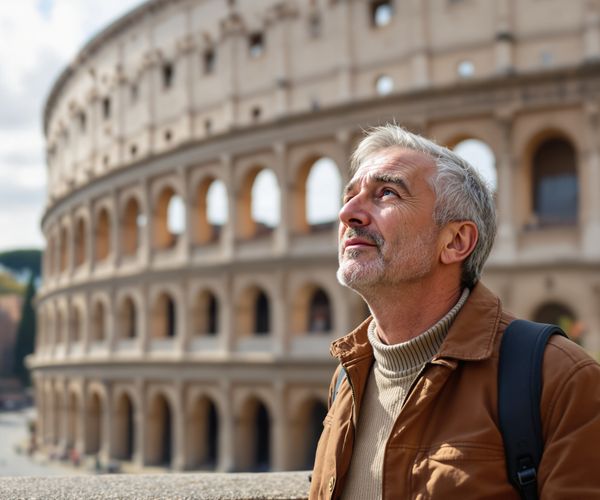
I recall a trip to Rome a few years ago. While marveling at the Colosseum, I couldn't help but notice the sheer volume of tourists. The noise, the crowds, and the constant flash of cameras felt intrusive, almost disrespectful. It made me think about the impact we were collectively having on this ancient monument and the importance of finding ways to mitigate that impact.
Respecting Local Customs and Traditions
One of the most important aspects of ethical tourism is respecting local customs and traditions. This means taking the time to learn about the culture of the place you're visiting and adapting your behavior accordingly. It's about showing humility and a genuine interest in understanding a different way of life.
Cultural misunderstandings can easily arise if we're not careful. For example, what might be considered polite in one culture could be seen as rude or offensive in another. It's essential to do your research beforehand and be mindful of your actions.
When visiting sacred or culturally sensitive areas, it's particularly important to dress appropriately and behave respectfully. This might mean covering your shoulders and knees, removing your shoes before entering a temple, or refraining from taking photographs in certain areas. It's always best to err on the side of caution and ask for guidance if you're unsure.
Learning a few basic phrases in the local language can go a long way in showing respect and facilitating interaction. Even a simple hello or thank you can make a positive impression and open doors to meaningful conversations.
During a trip to Japan, Elke and I made an effort to learn a few basic Japanese phrases. We were amazed at how much it enhanced our experience. Locals were more willing to engage with us, and we felt a deeper connection to the culture. It was a reminder that even small gestures of respect can have a big impact.
Minimizing Environmental Impact
Our responsibility as ethical travelers extends to the environment. Historical sites are often located in fragile ecosystems, and it's crucial that we minimize our impact on these areas. This means reducing waste and pollution, choosing eco-friendly transportation options, and conserving resources.
One of the simplest ways to reduce waste is to bring your own reusable water bottle and shopping bag. Avoid single-use plastics whenever possible and dispose of your trash properly. Consider packing light to reduce fuel consumption during transportation.
When possible, opt for eco-friendly transportation options such as walking, cycling, or public transport. These alternatives not only reduce your carbon footprint but also allow you to experience the destination in a more intimate way.
Support accommodations and businesses that are committed to sustainability. Look for hotels and restaurants that have implemented environmentally friendly practices, such as using renewable energy, conserving water, and reducing waste.
Elke and I are always looking for ways to minimize our environmental footprint when we travel. We often choose to stay in eco-lodges or guesthouses that prioritize sustainability. We also make a conscious effort to conserve water and energy during our visits, turning off lights when we leave a room and taking shorter showers.
Supporting Preservation Efforts and Local Communities
Ethical tourism also involves supporting preservation efforts and local communities. This means contributing to local economies, volunteering or donating to preservation organizations, and choosing tour operators and guides who prioritize ethical and sustainable practices.
One of the best ways to support local economies is to purchase goods and services from local vendors. This not only provides them with income but also helps to preserve traditional crafts and skills. Avoid buying souvenirs that are mass-produced or imported, as these often do not benefit the local community.
Consider volunteering or donating to preservation organizations that are working to protect historical sites. These organizations often rely on donations and volunteer support to carry out their important work.
Choose tour operators and guides who prioritize ethical and sustainable practices. Look for companies that are committed to responsible tourism and that support local communities. Avoid companies that exploit local communities or damage historical sites.
During a trip to Cambodia, we visited the Angkor temples. We made a point of hiring a local guide who was knowledgeable about the history and culture of the site. We also purchased handicrafts from local artisans, knowing that our money was going directly to support their livelihoods. It was a rewarding experience to know that we were contributing to the preservation of this incredible site and supporting the local community.
Guidelines for Responsible Behavior at Historical Sites
Finally, ethical tourism requires responsible behavior at historical sites. This means avoiding touching or damaging artifacts and structures, following designated paths, refraining from littering, and being mindful of noise levels.
It's important to remember that historical sites are often fragile and that even seemingly harmless actions can cause damage. Avoid touching or climbing on walls, statues, or other artifacts. Follow designated paths and respect restricted areas.
Refrain from littering or defacing historical sites. Dispose of your trash properly and avoid writing or carving on walls or structures. If you see someone vandalizing a site, report it to the authorities.
Be mindful of noise levels and respect the tranquility of the site. Avoid talking loudly or playing music that could disturb other visitors or the local community.
I have often been disheartened by the careless behavior of some visitors at historical sites. I've seen people touching delicate artifacts, climbing on ancient walls, and leaving trash behind. It's a reminder that we all have a responsibility to protect these places and to treat them with the respect they deserve.
By following these guidelines, we can all help to ensure that historical sites are preserved for future generations. Ethical tourism is not just a trend; it's a way of life. It's about traveling with respect, responsibility, and a genuine desire to learn and connect with the world around us.
Explore the importance of ethical tourism at historical sites. Learn how to respect local customs, minimize environmental impact, and support preservation efforts.