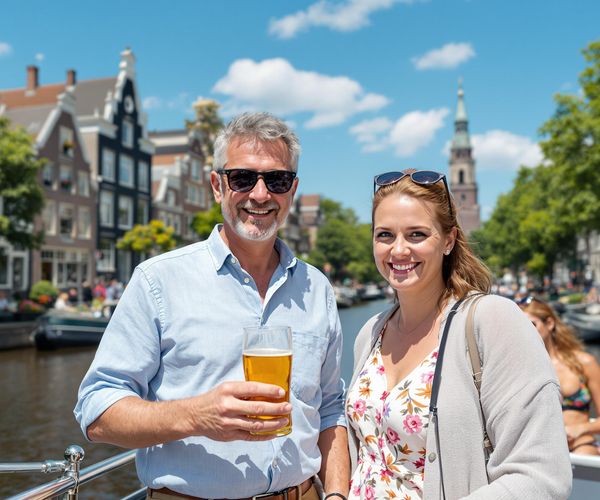

The world is a vast and fascinating place, filled with diverse cultures, breathtaking landscapes, and communities in need. As a restorer of antique furniture, I appreciate the value of preserving history and contributing to the well-being of communities. My wife, Elke, and I have always sought enriching experiences that go beyond the typical tourist trail. Lately, we've been exploring the idea of combining our love for travel with meaningful volunteer work, and I'm eager to share what we've learned.
The Allure of Volunteer Travel
In recent years, there's been a noticeable shift in the way people approach travel. More and more, travelers are seeking experiences that offer a deeper connection to the places they visit. It's no longer just about ticking off landmarks; it's about immersing oneself in the local culture and making a positive impact. Volunteer travel offers a unique opportunity to do just that.
The benefits of combining travel with volunteering are manifold. You gain a much deeper understanding of the local culture than you would as a typical tourist. You're not just observing; you're actively participating in the community. This can lead to profound personal growth and a broadened perspective on the world. Furthermore, you have the chance to contribute to a cause you care about, whether it's protecting endangered species, teaching English to children, or helping to build sustainable infrastructure.
Ethical Considerations in Volunteering
However, it's crucial to approach volunteer travel with a critical eye. The rise of 'voluntourism' has brought with it a number of ethical concerns. Some organizations exploit vulnerable communities for profit, offering superficial experiences that do little to address the underlying issues. It's essential to be aware of these potential pitfalls and to choose programs that prioritize long-term, sustainable benefits and genuine community collaboration.
Before committing to a volunteer program, ask yourself: Does this program truly empower the local community? Are the projects aligned with the community's needs and priorities? Is there transparency about how volunteer contributions are used? Look for organizations that work closely with local leaders and have a proven track record of making a positive impact.
Finding the Right Volunteer Program
The key to a fulfilling volunteer experience is finding a program that aligns with your skills, interests, and values. Start by identifying the causes you're passionate about. Are you concerned about environmental conservation? Do you have a knack for teaching? Are you interested in working with animals? Once you have a clear idea of your priorities, you can begin researching organizations that offer relevant volunteer opportunities.
When evaluating a program, don't hesitate to ask questions. Inquire about the organization's mission, its approach to community development, and the specific tasks you'll be involved in. Find out how the program measures its impact and ensures that its activities are sustainable. It's also important to consider the program's cost and whether it includes accommodation, meals, and other essential services.
Types of Volunteer Opportunities
The world of volunteer travel offers a vast array of opportunities to contribute to meaningful causes. Here are just a few examples:
- Environmental Conservation: Participate in reforestation projects, clean up beaches, or monitor wildlife populations.
- Wildlife Conservation: Work at animal sanctuaries, assist with research projects, or help to protect endangered species.
- Marine Conservation: Dive into coral reef restoration, monitor marine life, or educate local communities about sustainable fishing practices.
- Teaching & Childcare: Teach English or other subjects at local schools, assist with after-school programs, or provide care for children in orphanages.
- Community Development: Help build homes, schools, or other infrastructure projects, provide healthcare services, or support local businesses.
There are numerous organizations and platforms that offer volunteer opportunities in these and other areas. Some well-known options include organizations like the United Nations Volunteers (UNV) and platforms like Volunteer World.
Practical Tips for Planning Your Volunteer Trip
Planning a volunteer trip requires careful consideration of several factors. First, think about your budget. Volunteer programs can range in price from a few hundred to several thousand euros, depending on the location, duration, and inclusions. Be sure to factor in the cost of flights, visas, insurance, and personal expenses.
Next, consider the duration of your commitment. Some programs require a minimum stay of a few weeks, while others allow for shorter-term placements. It's important to choose a program that fits your schedule and allows you to make a meaningful contribution. Finally, inquire about pre-departure training and in-country orientation. These resources can help you prepare for the challenges and rewards of volunteer travel and ensure that you have a safe and fulfilling experience.
Explore the world and make a difference through volunteer travel. Learn how to choose ethical programs and contribute to meaningful causes.