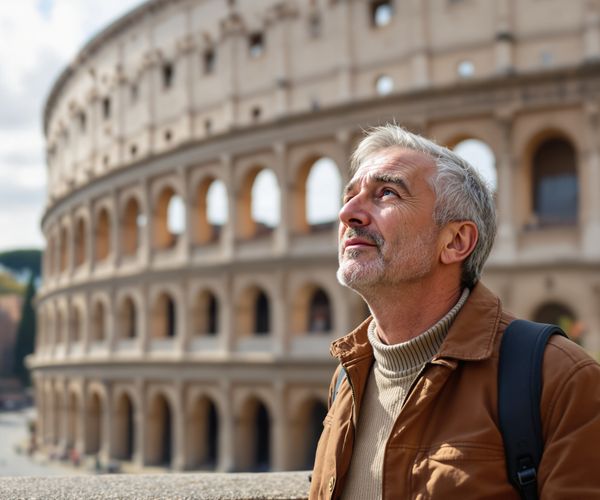

As a craftsman, I've always appreciated the value of preserving history and stories. My wife, Elke, a librarian, shares this passion, and together we've explored the world, finding that documenting our travels not only enhances the experience but also creates lasting memories. This is an invitation to explore how writing can transform your own journeys.
The Enduring Appeal of Travel Journals: A Personal Reflection
For centuries, travel journals have served as companions for explorers, scholars, and adventurers. They are more than just diaries; they are repositories of personal growth, reflections, and unfiltered observations. For me, keeping a travel journal feels akin to restoring a piece of antique furniture. Each entry is a careful stroke, preserving a moment in time, much like I preserve the integrity of a cherished artifact.
Elke, with her librarian's heart, often reminds me that every journey, no matter how small, holds a story worth telling. The act of journaling connects us to the traditional craftsmanship of storytelling, a skill I deeply admire and strive to emulate in my own work. It's about more than just listing sights; it's about capturing the essence of a place, the feeling of cobblestones underfoot, the scent of spices in a local market, the sound of a foreign language washing over you.
Journaling fosters a deeper connection with the places we visit. It forces us to slow down, observe more closely, and engage more thoughtfully. When I write about a place, I'm not just a tourist; I'm a participant, an interpreter, and a storyteller.
From Cobblestone Streets to Digital Pages: Embracing the Travel Blog
While I cherish the tactile experience of writing in a leather-bound journal, I also recognize the power of sharing experiences with a wider audience through a travel blog. The transition from traditional journals to digital pages has opened up new avenues for connection and inspiration. It allows us to share our stories with fellow travelers, offering insights, advice, and perhaps a bit of encouragement to embark on their own adventures.
The benefits of sharing travel experiences online are manifold. It's an opportunity to connect with like-minded individuals, receive feedback, and learn from others' journeys. Travel blogs can serve as valuable resources for those planning their own trips, providing detailed descriptions, historical context, and personal recommendations.
Creating engaging blog content requires a different approach than traditional journaling. Detailed descriptions are crucial, painting a vivid picture for the reader. Historical context adds depth and meaning to the narrative. However, maintaining authenticity and personal voice is paramount. Readers want to connect with a real person, not a faceless corporation. Share your unique perspective, your joys, your frustrations, and your insights. Let your personality shine through.
Capturing Moments Through a Lens and Pen: The Art of Visual Storytelling
As much as I appreciate the written word, I also recognize the power of visual storytelling. Combining photography and writing creates a richer, more immersive travel narrative. A photograph can capture a moment in time, a feeling, an emotion, in a way that words sometimes cannot.
Photography enhances the storytelling process by adding another layer of depth and meaning. It allows us to show, rather than just tell. A well-chosen photograph can evoke a sense of place, convey a cultural nuance, or capture a fleeting moment of beauty.
When selecting photographs to accompany written entries, consider their relevance to the story. Choose images that complement the text, adding visual interest and reinforcing the narrative. Pay attention to composition, lighting, and subject matter. A photograph should be more than just a snapshot; it should be a work of art in its own right.
It is important to be mindful of ethical considerations in travel photography. Always respect local customs and traditions. Ask for permission before photographing people. Be aware of your impact on the environment. Strive to capture authentic moments, rather than staged or contrived scenes.
Weaving History and Culture into Your Narrative: Adding Depth to Your Travel Stories
For me, travel is more than just seeing new places; it's about understanding their history and culture. Researching the history and culture of a destination before you arrive can significantly enhance your travel experience. It allows you to appreciate the nuances of local customs, understand the significance of historical landmarks, and engage more meaningfully with the local community.
Incorporating historical and cultural details into your travel narratives adds depth and context to your stories. Share interesting facts, historical anecdotes, and cultural insights. Explain the significance of local traditions, customs, and beliefs. This will not only enrich your readers' understanding of the destination but also make your stories more engaging and memorable.
Engage with local communities respectfully. Learn a few basic phrases in the local language. Be mindful of local customs and traditions. Support local businesses and initiatives. By engaging respectfully with the local community, you can foster a deeper connection with the place you are visiting and create more meaningful travel experiences.
Blend personal experiences with historical context. Share how your own experiences connect with the history and culture of the destination. This will make your stories more personal and relatable. It will also demonstrate your genuine interest in understanding the place you are visiting.
The Reflective Traveler: Finding Personal Growth Through Writing
Ultimately, travel writing is a tool for self-reflection and personal growth. The act of documenting our journeys forces us to confront our own biases, challenge our assumptions, and expand our perspectives. Writing about our experiences helps us to process our emotions, make sense of our surroundings, and gain a deeper understanding of ourselves.
Use writing as a tool for processing emotions and experiences. Don't be afraid to be vulnerable and honest in your writing. Share your joys, your fears, your frustrations, and your insights. This will not only make your stories more authentic but also help you to process your own emotions and experiences.
Revisiting and reflecting on past travel journals and blogs can be a powerful experience. It allows us to relive our adventures, reconnect with our past selves, and gain new insights into our personal growth. It can also inspire us to plan future adventures, based on our past experiences and evolving interests.
Travel writing can inspire future adventures by reminding us of the beauty and wonder of the world. It can also motivate us to step outside of our comfort zones, embrace new challenges, and pursue our dreams. By sharing our stories with others, we can inspire them to embark on their own journeys of self-discovery and personal growth.
Explore how writing about your travels can deepen your experiences and create lasting memories. Tips on journaling, blogging, storytelling, and personal reflection.