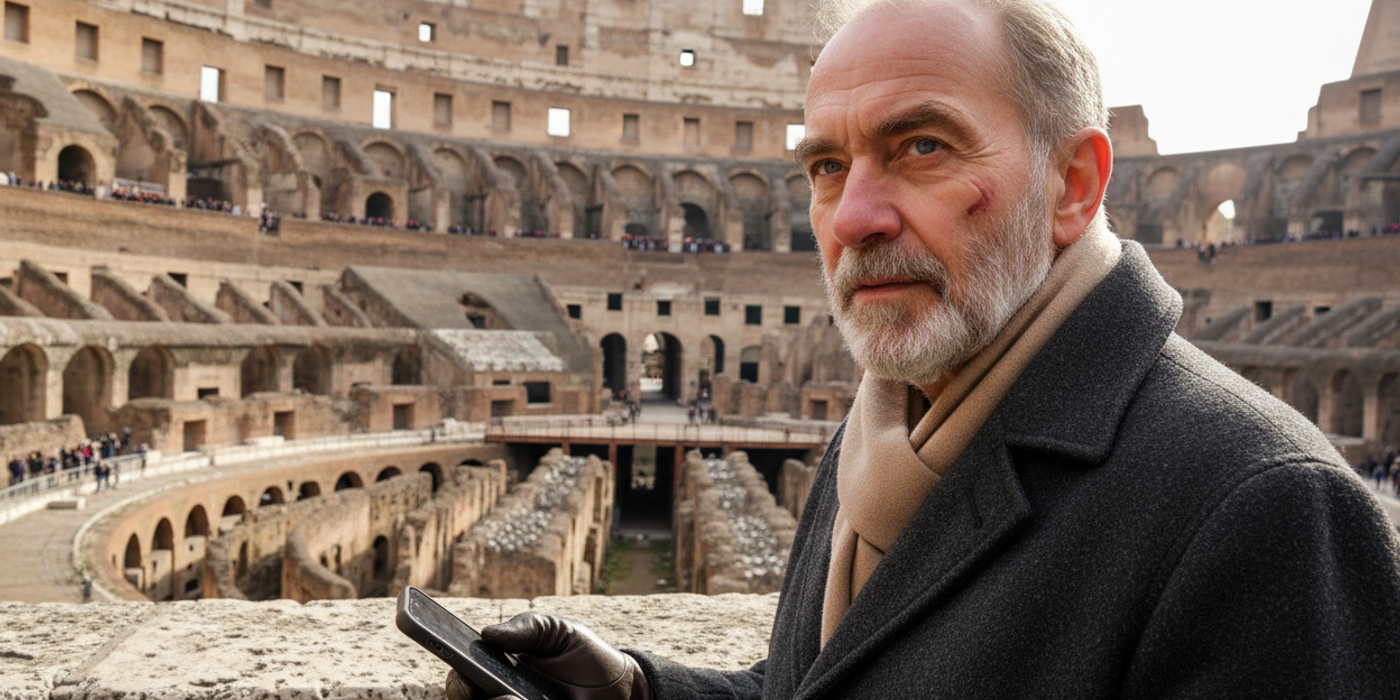
As a restorer of antique furniture, I've always been drawn to the stories objects and places hold. My travels with Elke often revolve around historical sites, and naturally, I've developed a keen interest in capturing these moments through photography. It's more than just taking a picture; it's about preserving a piece of history while respecting its cultural significance. Here are some tips I've gathered over the years, blending my appreciation for history with my love for photography.
Understanding the Site: Research and Respect
Before you even pick up your camera, take the time to understand the historical and cultural significance of the site. Research its past, its people, and its purpose. This knowledge will not only enrich your experience but also inform your photography, allowing you to capture images that tell a story. Always check for photography restrictions. Many historical sites have rules about flash photography or tripod use to protect delicate interiors. Be mindful of sensitive areas and customs. Respect cultural norms and traditions. In some cultures, certain areas may be off-limits to photographers, or specific behaviors may be considered disrespectful. Seeking permission when photographing people is paramount, especially during sacred events. Remember that in some cultures, women may not wish to be photographed.
Composition Techniques for Storytelling
Composition is key to creating visually appealing and narrative-rich photographs. Use the rule of thirds to create balanced and dynamic compositions. Imagine dividing your frame into nine equal parts with two horizontal and two vertical lines. Place key elements of your scene along these lines or at their intersections to create visual interest. Employ leading lines, such as pathways or walls, to guide the viewer's eye through the image. Look for symmetry in architectural elements to create depth and balance. Framing subjects with windows, archways, or doorways can add depth and context to your photographs. Create depth by incorporating foreground, middle ground, and background elements. This technique adds dimension to your images and helps to draw the viewer into the scene. Use natural frames within the environment to draw attention to the subject while revealing important cultural elements.
Mastering Light and Shadow
Light is the painter's brush, and shadow is its contrast. Utilizing natural light during the golden hours, shortly after sunrise and before sunset, will give you soft, warm lighting that enhances the beauty of any scene. Capture shadows cast by architectural elements to add drama and contrast. These shadows can reveal textures and forms that might otherwise go unnoticed. Return to the site at different times of day and in varied weather conditions to capture different moods. A historical site can look entirely different under the bright midday sun than it does during a misty morning. Use a polarizing filter to reduce reflections and enhance colors on bright days. This is particularly useful when photographing stone buildings or water features. Understanding how lighting can reveal textures, sheens, and even damage is crucial in capturing the essence of a historical site.
Unique Perspectives: Angles and Details
Don't be afraid to experiment with different angles to find a fresh perspective. Shooting from unconventional angles, such as low or high, can offer a unique view of a familiar subject. Zoom in on architectural details and textures often missed by the naked eye. These close-up shots can reveal the craftsmanship and history embedded in the site. Capture landmarks from the inside looking out to add depth and context. This technique can provide a sense of place and scale. Use wide-angle lenses to capture the immensity of buildings, while anticipating and correcting distortion in post-processing. Employ telephoto lenses to capture interesting details from a distance, especially in crowded areas.
Respectful Inclusion: People and Context
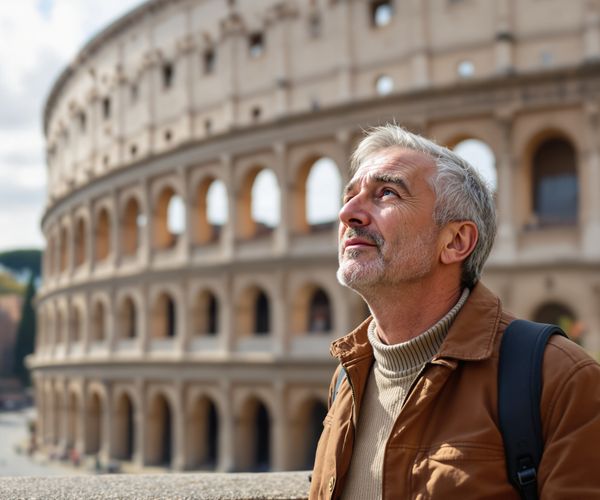
Including people in your compositions can provide a sense of scale and tell a story. A lone figure standing in front of a grand monument can convey a sense of awe and wonder. Be mindful of privacy and cultural sensitivities when photographing strangers. Always seek permission before photographing individuals, especially children, and respect their wishes if they decline. Avoid intrusion on personal space and be sensitive to vulnerable groups. Building trust by engaging in positive and respectful interactions can go a long way in capturing authentic moments.
Technical Tips for Optimal Results
To ensure you capture the best possible images, consider these technical tips. Use a tripod to ensure sharp images in low light or for long exposures. Adjust aperture for desired depth of field – wide for shallow, narrow for overall focus. Keep ISO as low as possible to minimize noise, especially in low-light conditions. Use appropriate shutter speed to avoid blur, considering the focal length of the lens. Balancing camera settings to respect the atmosphere and significance of the moment is key. Remember, it's not just about getting the perfect shot; it's about honoring the history and culture you are capturing.
Tips for photographing historical sites, focusing on lighting, composition, and respecting cultural sensitivities.