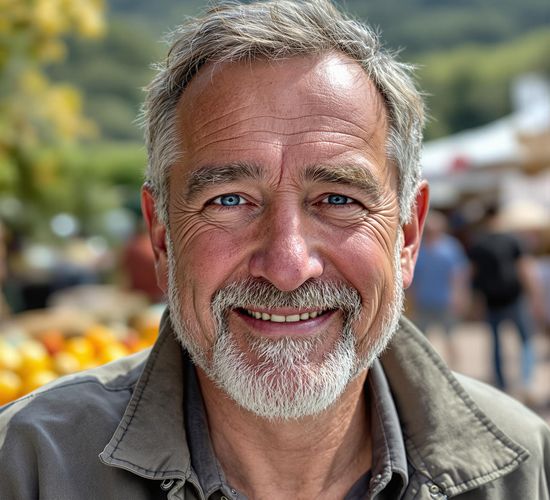
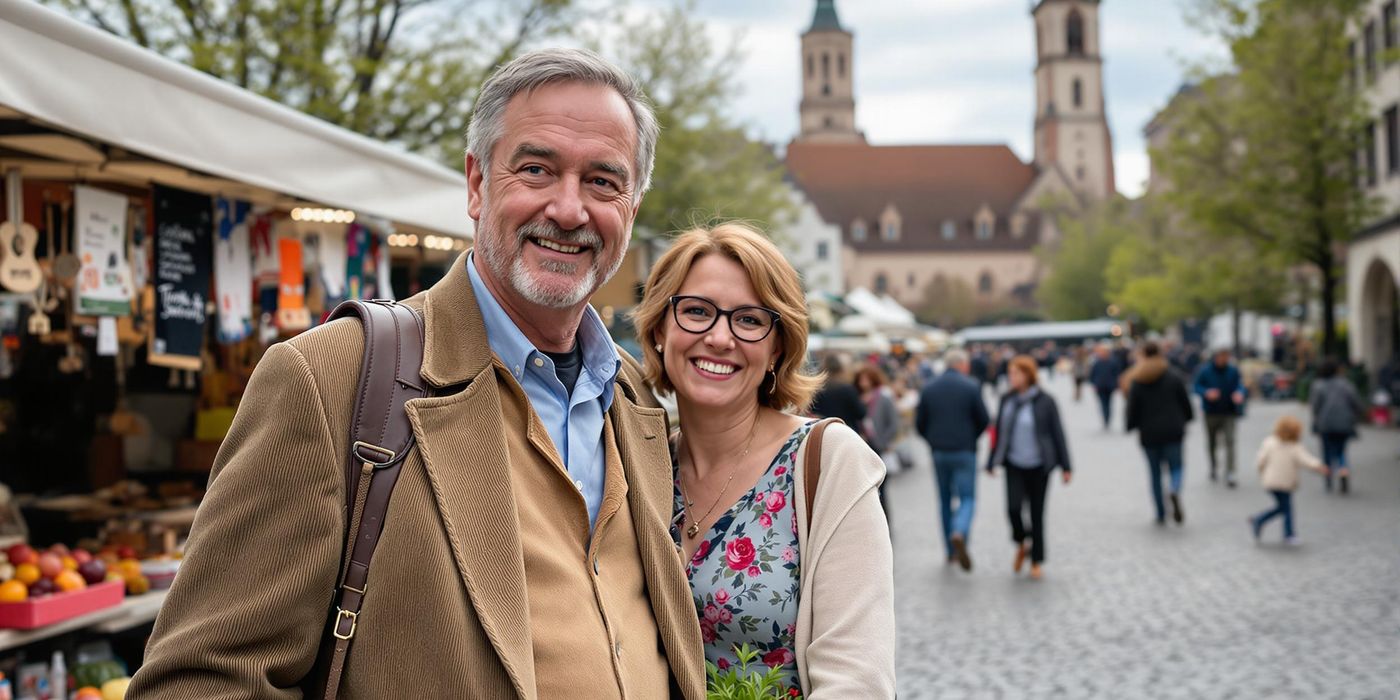
Ah, slow travel. It's a concept that has grown on me over the years, much like a fine patina on a well-loved piece of antique furniture. My name is Johann Gruber, and for years I've made my living restoring antique furniture. I see beauty in the details, in the stories etched into the wood, and I've come to realize that the same holds true for travel. It's not about ticking off destinations; it's about savoring the experience.
The Essence of Slow Travel
Slow travel, at its heart, is about prioritizing quality over quantity. It’s about immersing yourself in a place, connecting with its people, and truly understanding its culture. It's a conscious decision to move away from the whirlwind tours and packed itineraries that often leave you feeling more exhausted than enriched.
The roots of slow travel can be traced back to the slow food movement, which began in Italy in the 1980s as a protest against fast food and the homogenization of culinary experiences. Just as slow food emphasizes fresh, local ingredients and traditional cooking methods, slow travel encourages a more deliberate and authentic way of exploring the world.
Throughout my life, I've always been drawn to the details. Whether it's the intricate carving on a Baroque cabinet or the subtle variations in the color of aged wood, I find joy in observing the nuances that others might miss. This same attention to detail informs my approach to travel. I want to understand the history, the architecture, and the culinary arts of a place. I want to connect with the people who call it home.
Why Choose the Slower Pace?
There are numerous benefits to embracing a slower pace of travel. For me, the most significant is the opportunity for deeper cultural immersion. When you're not rushing from one tourist attraction to the next, you have time to engage with locals, learn about their traditions, and gain a more nuanced understanding of their way of life.
Slow travel also reduces stress. Instead of worrying about making it to the next appointment or checking off a list of must-see sights, you can relax and enjoy the moment. You can wander aimlessly through cobblestone streets, linger over a cup of coffee at a local café, or simply sit in a park and watch the world go by. It’s about savoring the small joys and allowing yourself to be surprised by the unexpected.
Taking the time to reflect during travel enhances well-being and fosters personal growth. Slow travel provides opportunities for introspection and self-discovery. It allows you to step outside of your comfort zone, challenge your assumptions, and gain new perspectives on the world and your place in it.
Furthermore, slow travel allows the traveler to form meaningful relationships with locals and fellow travelers. These connections can enrich your travel experience and create lasting memories.
Finally, by slowing down, one gains a deeper understanding of the history, politics, and social dynamics of a place. This knowledge can help you to appreciate the complexities of the world and to become a more informed and engaged global citizen.
Practical Tips for Slowing Down
If you're interested in trying slow travel, here are a few practical tips to get you started.
- Planning fewer destinations is key. Instead of trying to see everything, focus on experiencing a few places deeply.
- Staying longer in one place allows you to truly appreciate the environment and culture. Consider renting an apartment or house for a week or two, rather than staying in a hotel for a night or two.
- Choosing slower transportation options such as trains, buses, walking, and cycling, can be a great way to see the countryside and connect with locals.
- Engaging with locals by seeking recommendations and stories, can enrich your experience and help you to discover hidden gems.
- Being flexible and allowing for spontaneity and unexpected adventures, is essential for slow travel. Don't be afraid to deviate from your itinerary and follow your curiosity.
- Leave room in your itinerary for spontaneous experiences, such as a local festival, a cooking class, or a conversation with a shopkeeper.
Embracing Local Experiences
One of the best ways to embrace slow travel is to immerse yourself in local experiences. This could involve:
- Culinary exploration by trying local cuisine and visiting markets. Sample regional specialties, take a cooking class, or simply browse the stalls at a local market.
- Participating in cultural events such as festivals and traditions. Attend a local concert, visit a museum, or participate in a traditional ceremony.
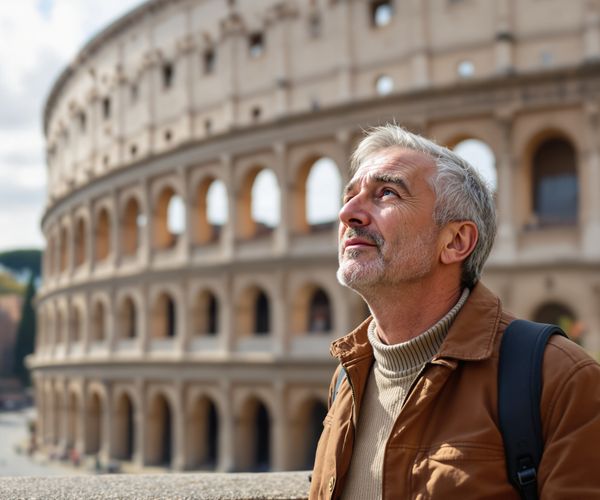
- Exploring historical sites, such as museums and landmarks, at a leisurely pace. Take your time to read the exhibits and soak in the atmosphere.
- Spending time in nature by hiking and enjoying the natural surroundings. Take a walk in a local park, hike in the mountains, or visit a botanical garden.
- Supporting local businesses by shopping at local stores and artisan shops. Buy souvenirs from local artisans, eat at family-owned restaurants, and support the local economy.
- Learning local customs such as etiquette and basic language phrases. This will help you to connect with locals and show respect for their culture.
The Mindset of a Slow Traveler
Ultimately, slow travel is about cultivating a particular mindset. It's about:
- Intentionality: Being present and mindful in each moment. Pay attention to your surroundings, engage your senses, and be open to new experiences.
- Curiosity: Seeking new experiences and knowledge. Ask questions, explore different perspectives, and be willing to learn from others.
- Openness: Embracing different cultures and perspectives. Be respectful of local customs and traditions, and be willing to challenge your own assumptions.
- Patience: Allowing time for unexpected discoveries. Don't rush, and be open to the possibility of surprises.
- Connection: Building relationships with locals and fellow travelers. Engage in conversations, share stories, and create meaningful connections.
My background in restoration has certainly influenced my travel mindset. Just as I take the time to carefully examine and restore a piece of furniture, I approach travel with a similar level of attention and care. I want to understand the history, the craftsmanship, and the stories behind the places I visit.
I believe my personality traits also make me well-suited to slow travel. I am meticulous in my planning, observant of the details around me, patient in my exploration, thoughtful in my reflections, and reserved in my interactions. These qualities allow me to fully appreciate the nuances of a place and to connect with it on a deeper level.
Discover the benefits and joys of slow travel, where the journey becomes just as rewarding as the destination. Learn how to immerse yourself fully in new cultures and environments.