
The Palate as a Passport: Why Food Matters in Travel
Food, in my opinion, is an essential element of travel. It's more than just sustenance; it's a portal to understanding a new culture. Think about it: recipes passed down through generations, ingredients unique to a specific region, and cooking techniques that reflect the local climate and resources. In my travels, particularly around Europe, I've noticed how the simplest dishes can tell the most compelling stories. For instance, in Germany, a hearty plate of Sauerbraten isn't just a meal; it's a testament to the country's history of resourcefulness and preservation. Similarly, the delicate pastries of Austria, like Sachertorte, reflect the country's imperial past and refined tastes.
Culinary tourism is on the rise, and for good reason. According to recent travel trends in 2025, more and more travelers are prioritizing food-related experiences. People are looking for authentic, immersive ways to connect with the places they visit, and food offers that direct connection. It's about more than just ticking off famous landmarks; it's about savoring the flavors, meeting the local producers, and understanding the story behind each bite.
Beyond the Plate: Engaging All Senses
A truly memorable culinary experience engages all five senses, not just taste. Consider the visual appeal of a beautifully plated dish, the tantalizing aromas wafting from a bustling street food stall, the sounds of a lively market, and the textures of each ingredient as you savor it. These sensory details combine to create a holistic experience that enhances your appreciation for the food and the culture it represents.
I recall a particularly vivid memory from a trip to Italy. We were in a small trattoria in Tuscany, and the aroma of fresh basil, garlic, and tomatoes filled the air. The vibrant colors of the Caprese salad—ripe red tomatoes, creamy white mozzarella, and bright green basil—were a feast for the eyes. The sounds of the Italian language swirling around us, combined with the clinking of glasses and the laughter of fellow diners, created an ambiance that was both comforting and exciting. And, of course, the taste of the food was divine—each bite a burst of fresh, authentic Italian flavors. It was more than just a meal; it was a complete sensory immersion.
Seeking Authenticity: Finding Local Culinary Gems
One of the biggest challenges for travelers is finding authentic local cuisine, rather than falling into tourist traps. My advice is to venture off the beaten path and seek out the places where locals eat. Local markets are a fantastic place to start. Here, you can sample regional specialties, chat with local vendors, and get a sense of the ingredients that define the local cuisine. Street food is another excellent option, offering a quick, affordable, and delicious way to experience the flavors of a place. And don't overlook family-run restaurants, where you're likely to find traditional recipes passed down through generations.
When seeking out these culinary gems, it's important to support local food vendors and businesses. By doing so, you're not only getting a more authentic experience, but you're also contributing to the local economy and promoting sustainable food practices. Look for restaurants that source their ingredients locally, and be mindful of reducing food waste. Supporting local farmers' markets and small-scale producers helps preserve traditional farming methods and protects the environment.
A Hands-On Approach: Culinary Classes and Food Tours
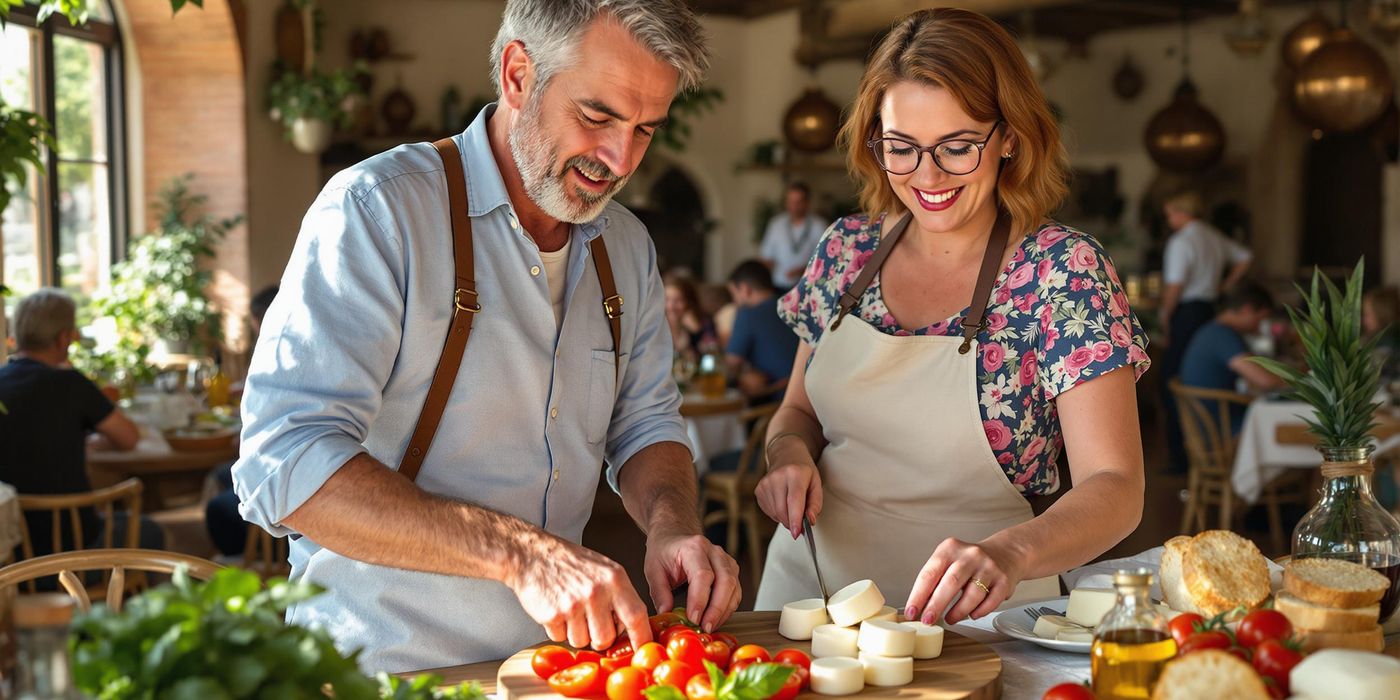
For a truly immersive culinary experience, consider participating in a cooking class or food tour. These activities offer a hands-on way to learn about local ingredients, cooking techniques, and culinary traditions. In a cooking class, you'll have the opportunity to prepare traditional dishes under the guidance of a local chef, gaining a deeper understanding of the flavors and techniques that define the cuisine. Food tours, on the other hand, offer a guided exploration of a city's culinary scene, taking you to hidden gems and introducing you to local specialties.
In Europe, consider taking a pasta-making class in Italy, a pastry-making workshop in France, or a sausage-making course in Germany. In Northern Africa, explore the spice markets of Morocco with a guided food tour, or learn to cook tagine in a traditional Berber home. These experiences not only deepen your understanding of the local culture but also provide you with new skills and recipes to bring home.
The Stories on Our Plate: Food as a Narrative
Ultimately, food is a narrative—a story of a region's history, traditions, and values. Every dish has a story to tell, from the ingredients used to the cooking methods employed. Understanding these stories can enrich your travel experiences and give you a deeper appreciation for the cultures you encounter.
Think about the significance of paella in Spain, a dish that reflects the country's history of rice cultivation and seafood harvesting. Or consider the importance of couscous in North Africa, a staple food that has sustained communities for centuries. Even humble dishes like potato soup can tell a story about a region's agricultural heritage and culinary resourcefulness. By taking the time to learn about the origins and stories behind the food we eat, we can gain a deeper understanding of the world around us.
Explore how food can be a gateway into understanding a new culture and enhancing your travel experiences. Discover the importance of food in travel and how culinary experiences can lead to deeper cultural understanding.