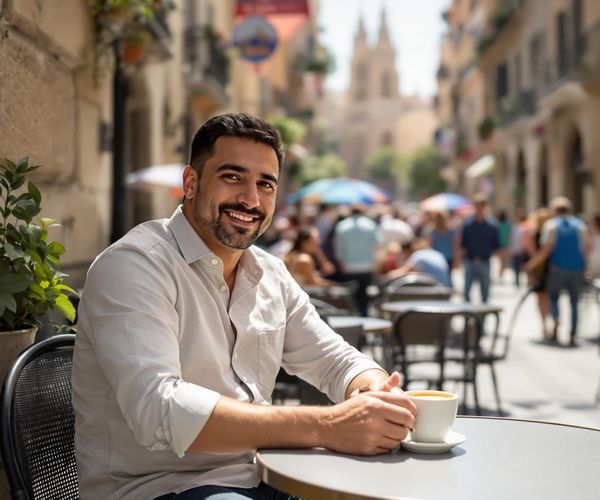
Hey there, fellow travelers! José here, your friendly Maple Syrup Coordinator from Edmonton, ready to share some insights from my own adventures and misadventures around the globe. My wife, Isabella, and I are always on the lookout for authentic experiences, ones that go beyond the typical tourist traps. So, if you're itching to truly connect with a place and its people, stick around. I'm about to spill the beans on how to live like a local, no matter where you go.
Embrace the Local Language
Let's kick things off with a biggie: language. Now, I'm not saying you need to become fluent in Mandarin before your trip to Beijing, but learning a few basic phrases can work wonders. Think of it as unlocking a secret level in a video game. Suddenly, smiles are wider, conversations flow easier, and you're no longer just another tourist.
I remember once being in a small village in Italy. My Italian was limited to Ciao and Grazie, but I made an effort to learn Buongiorno and Come stai? The moment I greeted the local baker with a cheerful Buongiorno, his face lit up. He gave me the freshest bread, still warm from the oven, and we shared a laugh over my terrible pronunciation. That simple exchange wouldn't have happened if I hadn't tried to speak his language.
So, how do you learn these phrases quickly? Language learning apps are your best friend. Duolingo, Memrise, and Babbel are fantastic for picking up the basics. Even just 15 minutes a day can make a difference. Don't be afraid to butcher the pronunciation – locals appreciate the effort. Carry a small phrasebook, and most importantly, don't be shy! Use those phrases, even if you feel silly. You'll be surprised at how far a little effort can take you.
Venture Beyond Tourist Hotspots
Okay, Parthenon in Athens is a must-see, I get it. But real heart of a city usually beats far away from those crowded landmarks. Tourist hotspots are great, but they often present a curated, polished version of a place. To truly experience a culture, you need to venture into the neighborhoods where locals live, work, and play.
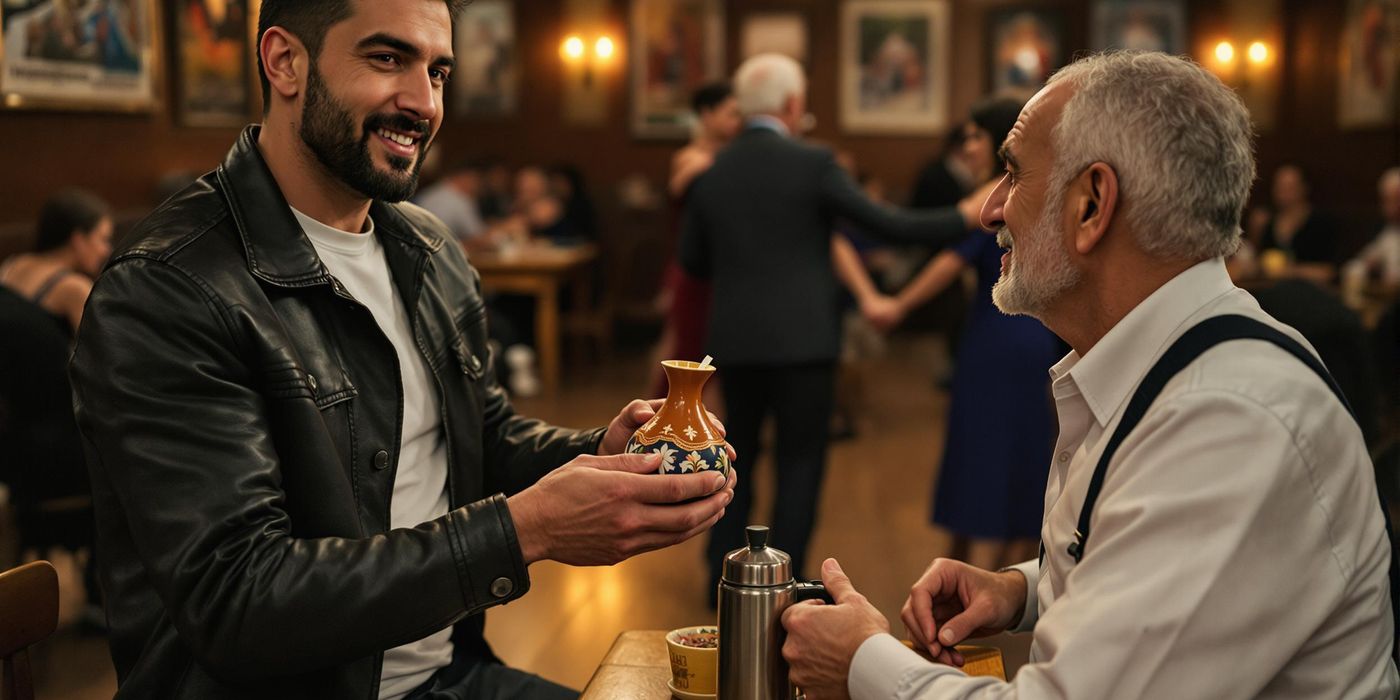
Isabella and I stumbled upon a gem in Buenos Aires. We ditched the fancy tango shows and wandered into a local milonga, a traditional tango dance hall, in the San Telmo district. The place was packed with locals of all ages, dressed to the nines and dancing with incredible passion. We were the only tourists there, and at first, we felt a bit out of place. But soon, an elderly gentleman pulled Isabella onto the dance floor, and I was invited to share a mate (a traditional South American caffeinated drink) with a group of friends. That night, we didn't just watch tango; we lived it.
How do you find these hidden gems? Ask locals! Hotel staff, shopkeepers, or even the person sitting next to you at a café can offer invaluable recommendations. Look for local events listings in community newspapers or online forums. Websites like Meetup or local Facebook groups can connect you with events and activities that cater to locals. Don't be afraid to get lost – sometimes, the best discoveries are made when you wander off the beaten path.
Engage with Local Customs and Traditions
Every culture has its own unique set of customs and traditions, and participating in them is a fantastic way to deepen your understanding and appreciation. Whether it's a religious ceremony, a seasonal festival, or a simple daily ritual, these practices offer a window into the soul of a community.
One of my most memorable travel experiences was in Uruguay during Carnival. Instead of watching the parades from the sidelines, I joined a local murga group, a type of musical theater troupe that performs satirical songs and skits. I spent weeks learning the songs, practicing the choreography, and helping to create the costumes. By the time Carnival arrived, I felt like a true Uruguayan. I wasn't just observing the culture; I was a part of it.
Before you participate in any cultural practice, do your research. Learn about the significance of the ritual, the appropriate attire, and any etiquette guidelines. Be respectful and observant, and always ask for permission before taking photos or videos. If you're unsure about something, don't hesitate to ask a local for clarification. Most people are happy to share their culture with visitors, as long as it's done respectfully.
Savor Local Cuisine
Food is more than just sustenance; it's a reflection of a culture's history, values, and traditions. Trying authentic local dishes is like reading a culinary storybook, each bite revealing a new chapter. Forget the familiar fast-food chains and tourist-trap restaurants. Seek out the hole-in-the-wall eateries, the bustling markets, and the family-run establishments where locals gather to eat.
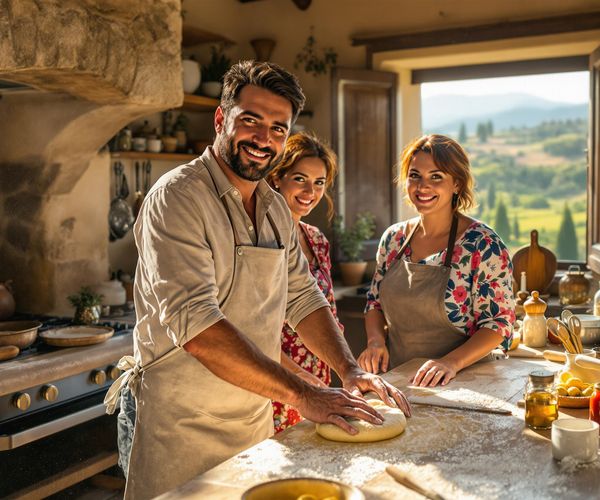
In Marrakech, Isabella and I took a cooking class with a local family. We learned how to make tagine, a slow-cooked stew with meat, vegetables, and spices. We visited the local souk (market) to buy the ingredients, haggling with the vendors and learning about the different spices. Then, we spent the afternoon cooking alongside the family, sharing stories and laughter. By the end of the day, we had not only learned how to make a delicious dish but also gained a deeper understanding of Moroccan culture and hospitality.
Look for food tours that focus on local cuisine. Visit farmers' markets to sample fresh produce and regional specialties. Ask locals for recommendations on their favorite restaurants. Don't be afraid to try new things, even if they seem a little strange or intimidating. You might discover your new favorite dish. And remember, food is often best enjoyed in the company of others, so strike up a conversation with your fellow diners and share your culinary experiences.
Connect with Locals
Ultimately, cultural immersion is about building connections with people. It's about breaking down barriers, finding common ground, and recognizing our shared humanity. While seeing the sights and tasting the food are important, it's the interactions with locals that will truly enrich your travel experience.
When Isabella and I were backpacking through Southeast Asia, we volunteered at a local school in Cambodia. We helped the teachers with their English lessons, played games with the children, and learned about their lives and dreams. The experience was incredibly humbling and rewarding. We realized that despite our different backgrounds and cultures, we all shared the same basic needs and desires: to be loved, to be safe, and to have a better future for our children.
There are many ways to connect with locals. Consider staying in a homestay or guesthouse instead of a hotel. Volunteer for a local organization or charity. Attend community events and workshops. Use language exchange apps to meet locals who are interested in learning your language. Be open, be curious, and be respectful. Listen more than you talk, and show genuine interest in the lives and experiences of others. You'll be amazed at the connections you can make and the insights you can gain.
Discover how to truly immerse yourself in local cultures for a richer travel experience. Learn from José's adventures and get practical tips for connecting with locals.