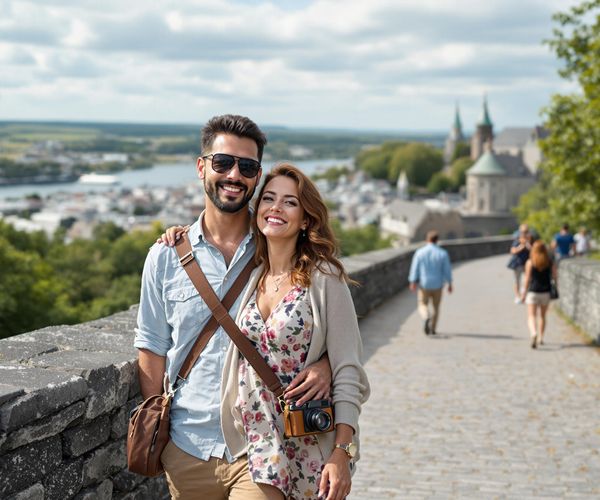
As a kid growing up in Trinidad, Uruguay, history wasn't just something I read in books; it was etched into the very stones of my city. The echoes of the past resonated through the cobblestone streets and colonial architecture. This early exposure ignited a lifelong passion for understanding how history shapes our present and influences our travels. Now living in Edmonton, Canada, with my wife Isabella, I find myself constantly seeking out those historical connections, whether it’s exploring the indigenous heritage of Alberta or venturing further afield to uncover the stories of distant lands. Join me as I delve into why history matters when we travel and how you can integrate it into your own adventures.
Why History Matters When We Travel
Understanding the history of a place does more than just fill your head with facts; it deepens your entire travel experience. It allows you to appreciate the cultural nuances and understand the ‘why’ behind many of the things you see and experience. Take, for instance, my trip to Kyoto, Japan. Without knowing the historical context of the samurai, the geishas, and the imperial court, the stunning temples and serene gardens would have been merely beautiful sights. But understanding their historical significance transformed them into powerful symbols of Japan’s rich and complex past.
Similarly, when Isabella and I visited Quebec City, the only walled city north of Mexico, walking along the ramparts and learning about the battles fought there gave us a profound sense of connection to the past. We could almost hear the echoes of the soldiers and the clashes between the French and British forces. It wasn’t just a scenic walk; it was a journey back in time.
Uncovering Layers: Historical Landmarks and Cultural Heritage
Historical landmarks and cultural heritage sites are more than just tourist attractions; they are tangible links to the past, showcasing human ingenuity, resilience, and creativity. Think of the ancient ruins of Rome, the majestic castles of Scotland, or the poignant monuments of Berlin. Each site tells a story, offering insights into the lives of those who came before us.
Consider Machu Picchu in Peru. This Inca citadel, perched high in the Andes Mountains, is a testament to the engineering prowess and spiritual beliefs of the Inca civilization. Exploring its intricate stonework and learning about its history gave me a deep appreciation for the ingenuity and determination of the Inca people. It’s a powerful reminder of what humans can achieve, even without modern technology.
Or take the Great Wall of China. This massive structure, built over centuries, is not only an architectural marvel but also a symbol of China’s strength and resilience. Walking along its winding path, I couldn't help but feel a sense of awe and wonder at the scale of human effort and the weight of history.
The Emotional Impact: Connecting with Past Generations
Understanding a destination's history can forge a profound emotional connection, evoking empathy and a sense of shared humanity. Visiting historical sites allows us to reflect on the struggles and triumphs of past generations, enriching our present-day experiences.
One of the most moving experiences I had was visiting the Anne Frank House in Amsterdam. Walking through the cramped rooms where Anne and her family hid during World War II, reading her poignant diary entries, and imagining their daily lives brought the horrors of the Holocaust into sharp focus. It was a deeply emotional experience that left me with a renewed commitment to fighting against intolerance and injustice.
Similarly, visiting the battlefields of Normandy in France was a sobering reminder of the sacrifices made during World War II. Walking along the beaches where Allied soldiers landed, seeing the remnants of bunkers and fortifications, and reading the stories of the brave men who fought there filled me with a sense of gratitude and respect.
Integrating History into Your Travel Itinerary
Incorporating historical context into your travel plans doesn't have to be complicated. A little research before you go can make a big difference. Start by reading about the history of your destination. Look for books, articles, and documentaries that provide insights into the key events, figures, and cultural developments that have shaped the place you're visiting.
Consider visiting local historical societies and archives. These institutions often hold a wealth of information about the history of the region, including documents, photographs, and artifacts that can provide a deeper understanding of the past. Don't hesitate to reach out to local experts, such as historians, museum curators, and cultural guides. They can offer valuable insights and perspectives that you won't find in guidebooks.
For example, before our trip to Ireland, Isabella and I delved into the history of the Irish famine and the Easter Rising. This knowledge transformed our visit to Dublin, allowing us to appreciate the significance of the landmarks and understand the cultural identity of the Irish people. We also consulted with a local historian who shared fascinating stories and anecdotes that brought the past to life.
Experiencing History: Immersive Activities and Local Interactions
Engage with history beyond just visiting landmarks. Attend cultural festivals, take cooking classes, and learn local languages. These activities can provide deeper insights into the history and traditions of a place. Interacting with locals is also crucial. Their perspectives and stories can offer a more nuanced understanding of history than any textbook can provide.
In Buenos Aires, Argentina, I took a tango class, not just to learn the dance but also to understand its historical roots in the city's working-class neighborhoods. The tango is more than just a dance; it's a reflection of Argentina's history, culture, and identity. Similarly, when we visited Oaxaca, Mexico, Isabella and I took a cooking class focused on traditional Oaxacan cuisine. We learned about the history of the ingredients and the cultural significance of the dishes, gaining a deeper appreciation for the region's culinary heritage.
Remember, history isn't just about dates and events; it's about people, stories, and connections. By integrating history into your travels, you can enrich your experiences, deepen your understanding of the world, and create lasting memories.
Understanding history enriches travel experiences. Explore historical landmarks and connect with past generations. Integrate historical context into your itinerary for deeper insights.