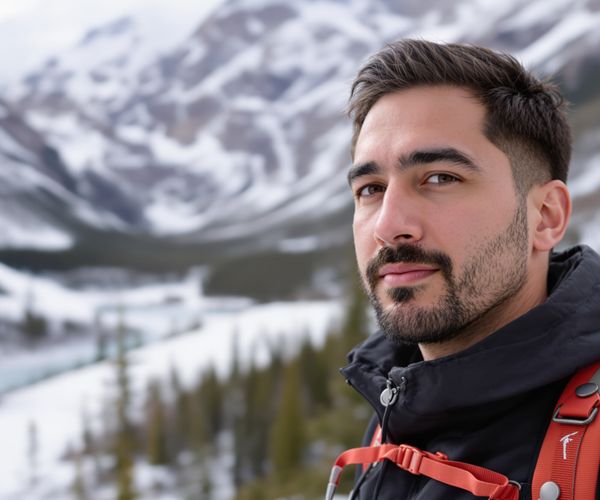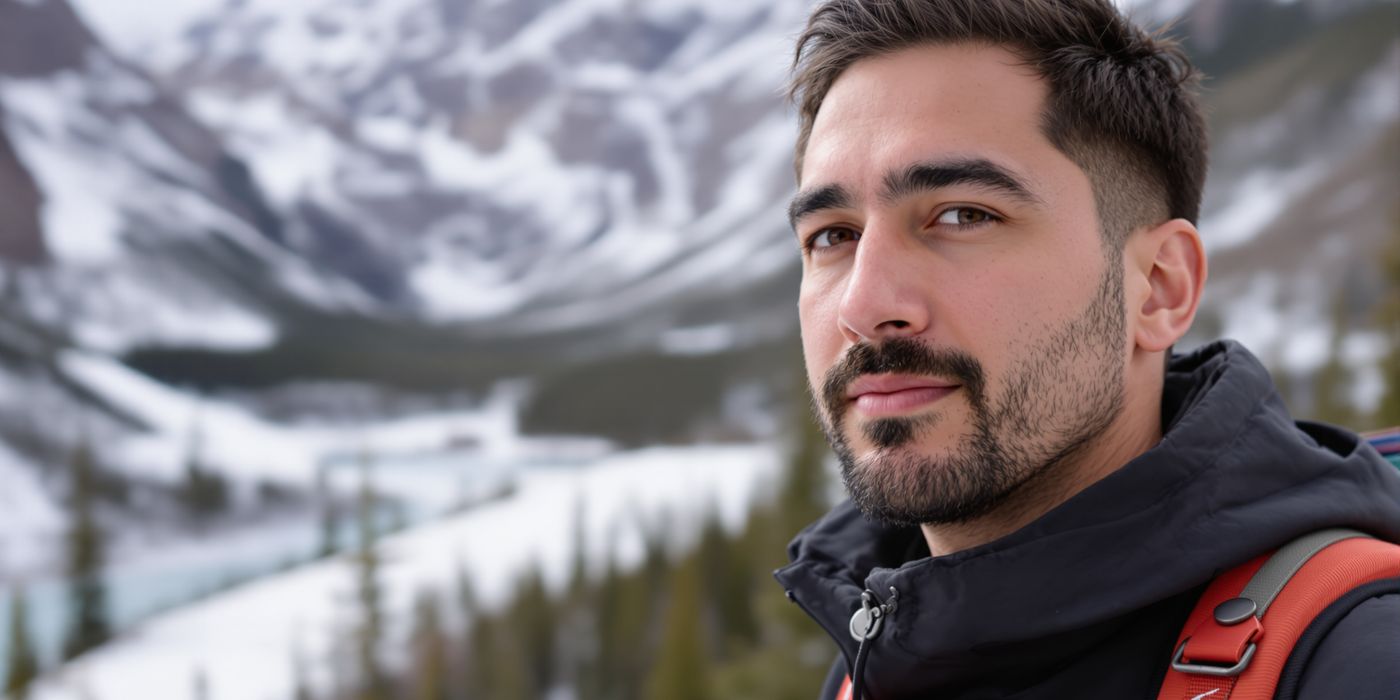
The crisp mountain air, the crunch of leaves underfoot, the panoramic views that stretch as far as the eye can see – hiking is more than just a physical activity; it's an immersion into the heart of nature. As someone who's traded the pampas of Uruguay for the peaks of the Canadian Rockies, I've learned a thing or two about preparing for a trek. Whether you're a seasoned mountaineer or a first-time trail explorer, getting ready for a hike is key to a safe and fulfilling adventure.
Gearing Up for the Great Outdoors: Essential Hiking Equipment
Choosing the right gear can make or break your hiking experience. Let's start from the ground up: footwear. The debate between hiking boots and trail runners is a common one, and the answer depends on the terrain and your personal preference. Hiking boots offer superior ankle support and are ideal for rugged, uneven trails, especially when carrying a heavy pack. Trail runners, on the other hand, are lighter and more flexible, perfect for well-maintained paths and shorter distances. I prefer a sturdy pair of hiking boots when tackling the Rockies, given the unpredictable conditions and rocky trails.
Next up is the layering system for clothing. This is crucial because mountain weather can change in an instant. Start with a moisture-wicking base layer to keep sweat away from your skin, add an insulating mid-layer like a fleece or down jacket for warmth, and top it off with a waterproof and windproof outer shell. I always pack an extra layer, even on sunny days!
Beyond clothing, there are some absolute essentials. A well-fitted backpack is a must for carrying everything. Don't forget a comprehensive first-aid kit, navigation tools (a map, compass, and GPS device), and a headlamp or flashlight, even if you plan to be back before dark. Trust me, getting caught out after sunset is no fun!
Safety First: Navigating the Trails Responsibly
Before you even lace up your boots, do your homework. Research the trail you plan to hike, paying attention to its difficulty, length, and elevation gain. Understand potential hazards, such as steep drop-offs, river crossings, or areas prone to rockfalls. The more you know, the better prepared you'll be.
Always inform someone of your hiking plans, including your route, expected return time, and who to contact in case of emergency. Check the weather forecast before you go and be prepared to turn back if conditions deteriorate. It's better to be safe than sorry.
Knowing how to handle wildlife encounters is also essential. In the Canadian Rockies, you might encounter bears, elk, or even mountain lions. Carry bear spray and know how to use it. Make noise while hiking to avoid surprising animals, and never approach or feed wildlife. As for injuries, a basic knowledge of first aid can be a lifesaver. Learn how to treat common hiking injuries like blisters, sprains, and cuts, and know how to signal for help in an emergency.
Trail Etiquette: Respecting Nature and Fellow Hikers
Hiking is not just about personal enjoyment; it's also about respecting the natural environment and other trail users. The principles of 'Leave No Trace' are fundamental to responsible hiking. This means packing out everything you pack in, staying on designated trails, minimizing campfire impacts, respecting wildlife, and being considerate of other visitors.
Trail etiquette also includes yielding to uphill traffic, as they have the right-of-way. Keep your pets under control and clean up after them. Minimize noise pollution by keeping your voice down and avoiding loud music. Remember, everyone is out there to enjoy the peace and quiet of nature.
Proper waste disposal is crucial. Use designated restrooms or, if none are available, dig a small hole at least 200 feet away from water sources and trails. Avoid damaging vegetation or disturbing wildlife. Stay on the trail to prevent erosion and protect fragile plant life.
Embracing the Canadian Rockies: Personal Experiences and Tips
The Canadian Rockies hold a special place in my heart. From the turquoise waters of Lake Louise to the towering peaks of Banff National Park, this region is a hiker's paradise. One of my most memorable hikes was the Plain of Six Glaciers Trail in Lake Louise. The views of the glaciers and surrounding mountains were simply breathtaking.
Hiking in the Rockies requires some specific considerations. The terrain can be challenging, with steep ascents, rocky trails, and unpredictable weather. Be prepared for sudden changes in temperature and precipitation. Always carry extra layers of clothing, plenty of water, and high-energy snacks.
The Canadian Rockies are also rich in cultural and historical significance. The region has been home to Indigenous peoples for thousands of years, and their stories are woven into the landscape. Take the time to learn about the history and culture of the area, and appreciate the deep connection between the land and its people. When you connect with the land and its history, your experience becomes richer and more meaningful.
Prepare for unforgettable hiking adventures with tips on gear, safety, and embracing the beauty of nature along the trails.