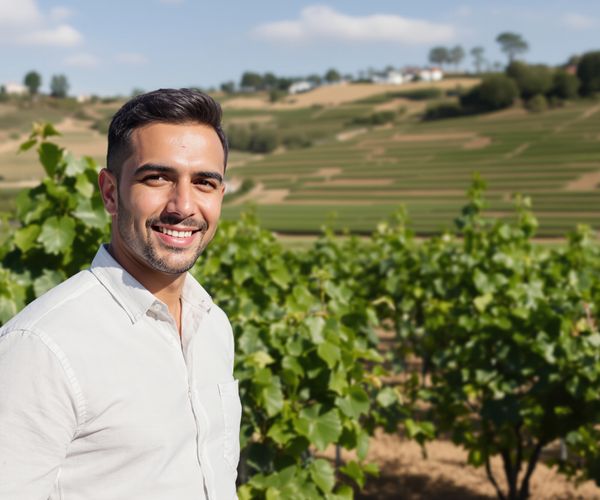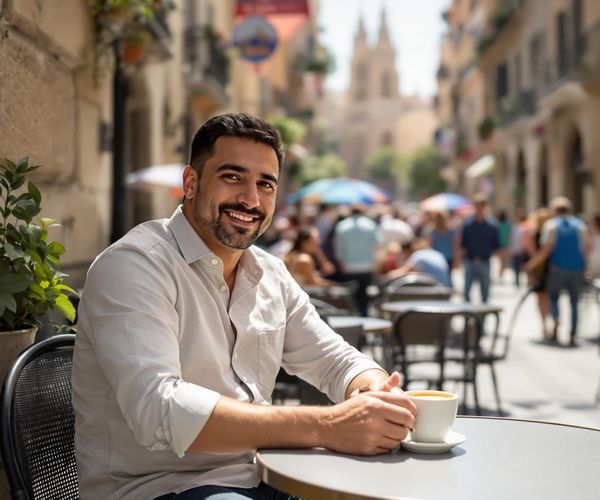
Hola, amigos! José here, ready to whisk you away on a culinary journey around the globe. Isabella and I have always believed that the best way to truly experience a culture is through its food. It's more than just sustenance; it's history, tradition, and a whole lot of love baked into every bite. So, grab your forks and let's dive into the delicious world of gourmet travel!
The Essence of Culinary Travel
What exactly is gourmet travel? It's more than just fancy restaurants and Michelin stars. It's about seeking out authentic culinary experiences that connect you to the heart and soul of a place. It's about understanding the story behind the ingredients, the techniques passed down through generations, and the cultural significance of each dish. The rising popularity of culinary travel reflects a growing desire among travelers to move beyond surface-level tourism and engage with destinations on a deeper, more meaningful level.
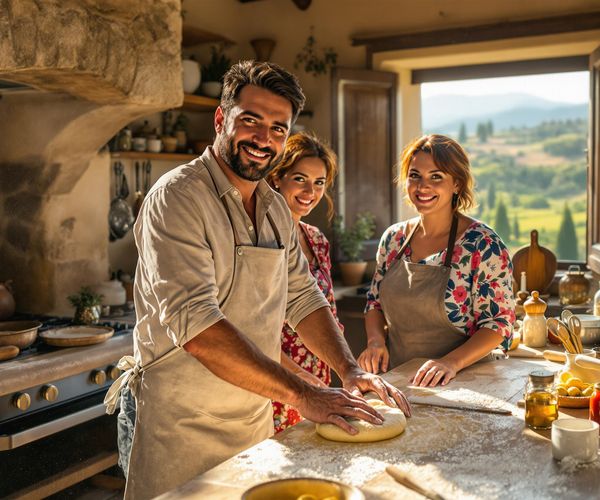
For Isabella and me, food has always been an integral part of our adventures. I remember our trip to Italy, where we spent hours learning to make pasta from scratch with a nonna in a small village in Tuscany. The taste of that homemade pasta, the laughter shared with our host, and the connection we felt to the Italian culture – that's what gourmet travel is all about. It’s these types of experiences that truly enrich our travels, creating memories that last a lifetime. It's not just about eating; it's about understanding history, traditions, and local life.
Seeking Authentic Culinary Experiences
The key to unlocking incredible culinary experiences lies in venturing beyond the typical tourist traps. Those restaurants that cater to the masses rarely offer a true taste of local cuisine. Instead, seek out the hidden gems where locals gather to savor the flavors of their homeland.
Here are a few tips that have served Isabella and me well over the years:
- Engage with locals: Don't be afraid to strike up conversations with residents, hotel staff, and even taxi drivers. Ask them for their favorite restaurants and hidden culinary spots. You'd be surprised at the amazing recommendations you'll receive.
- Explore off-the-beaten-path neighborhoods: Wander away from the main tourist areas and venture into local neighborhoods. Look for family-run eateries and small, unassuming restaurants. These are often the places where you'll find the most authentic and delicious food.
- Look for crowded spots: Pay attention to where the locals are eating. If a restaurant is packed with locals, it's a good sign that the food is worth trying.
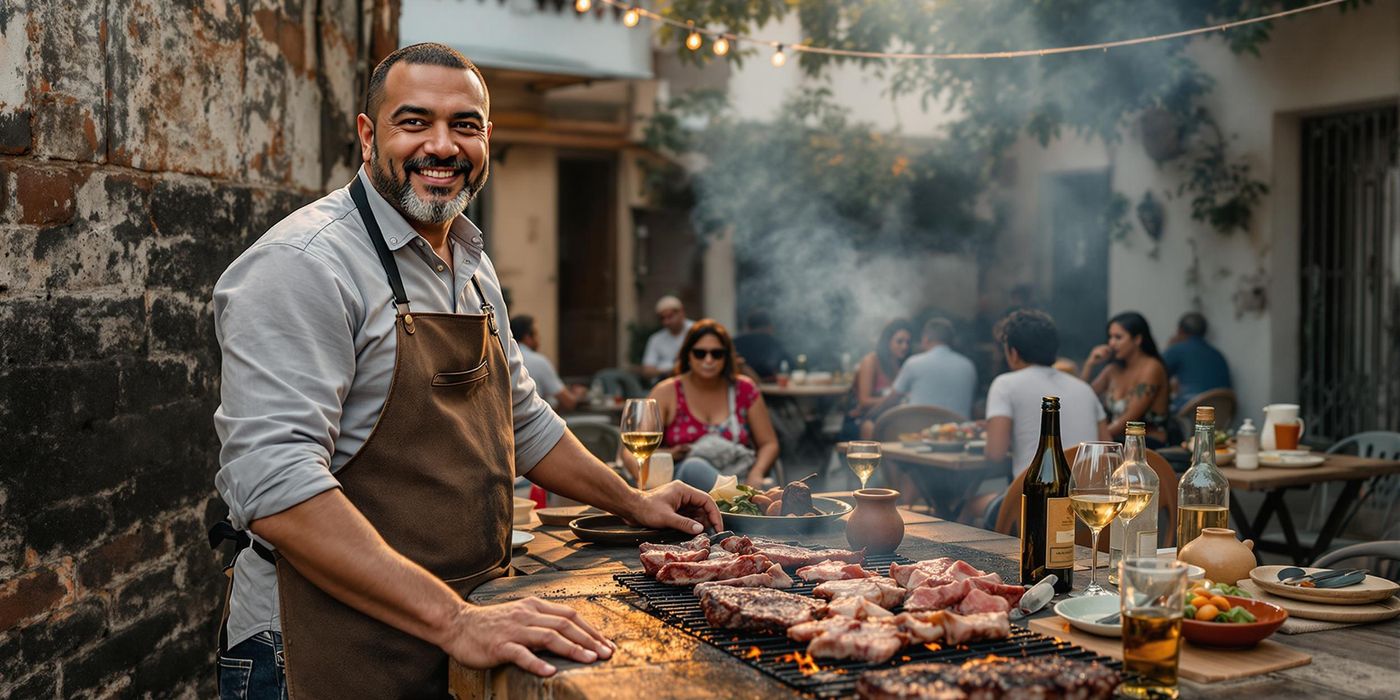
I remember once in Uruguay, following a tip from a friendly taxi driver, we discovered a tiny parrilla (grill house) tucked away in a residential neighborhood. The aroma of grilled meats wafted through the air, drawing us in. We feasted on the most succulent asado (barbecue) we had ever tasted, surrounded by locals who welcomed us with open arms. Similarly, in Canada, we stumbled upon a Ukrainian restaurant in a small town outside of Edmonton. The perogies were handmade, the borscht was hearty, and the atmosphere was incredibly welcoming. These are the moments that make culinary travel so special.
Don't underestimate the power of local markets. Visiting a local market is like stepping into a sensory explosion. The vibrant colors of fresh produce, the enticing aromas of spices, and the lively chatter of vendors create an unforgettable experience. Sample regional specialties, try exotic fruits you've never seen before, and soak in the atmosphere. You'll not only discover new flavors but also gain a deeper appreciation for the local culture.
Immersive Food Activities: Tours and Classes
For a more structured culinary experience, consider joining a food tour or taking a cooking class. Food tours offer insider knowledge of the local food scene, guiding you through the best restaurants, markets, and hidden culinary gems. A knowledgeable guide can provide context and insights that you might otherwise miss, enhancing your understanding and appreciation of the local cuisine.
Cooking classes, on the other hand, provide a hands-on experience, allowing you to learn about local ingredients and techniques from expert chefs. You'll not only learn to prepare traditional dishes but also gain a deeper understanding of the cultural significance of food. Isabella and I have taken cooking classes in Thailand, where we learned to make authentic green curry, and in Mexico, where we mastered the art of making tamales. These experiences were not only fun and educational but also incredibly enriching, allowing us to connect with the local culture on a deeper level.
The cultural exchange that occurs during these activities is invaluable. You'll interact with locals, learn about their traditions, and share your own experiences. It's a wonderful way to break down cultural barriers and build connections with people from different backgrounds. When selecting a food tour company or cooking school, do your research and look for reputable organizations with experienced guides and chefs. Read reviews, check their credentials, and make sure they align with your interests and values.
The Art of Tasting: Appreciating Local Cuisine
To truly appreciate local cuisine, you need to approach it with an open mind and a sense of curiosity. Be willing to try new things, even if they seem unusual or unfamiliar. You might be surprised at what you discover. Learn about the history and cultural significance of the dishes you're trying. Understanding the context behind a dish can enhance your appreciation for its flavors and ingredients. Pay attention to the ingredients and preparation methods. Notice the textures, aromas, and flavors. Consider how the dish reflects the region's history, geography, and customs.
Food plays a crucial role in cultural identity. It reflects a region's history, geography, and customs. It's a way for people to connect with their heritage and share their traditions with others. By understanding the role of food in a culture, you can gain a deeper appreciation for the people and their way of life. I recall tasting cuy (guinea pig) in Ecuador. Initially, I was hesitant, but after learning about its historical significance and cultural importance, I approached it with a new perspective. It wasn't just a meal; it was a symbol of the Andean culture and a connection to its past.
Sustainable Culinary Travel
As travelers, we have a responsibility to make sustainable choices that minimize our impact on the environment and support local communities. This is especially important when it comes to culinary travel. Support local farmers, producers, and restaurants. Choose restaurants that source their ingredients locally and ethically. Visit farmers' markets and buy directly from the producers. This not only supports the local economy but also ensures that you're eating fresh, seasonal ingredients.
Minimize food waste by ordering only what you can eat and taking leftovers with you. Avoid single-use plastics and bring your own reusable containers and utensils. Make environmentally friendly decisions whenever possible. We've observed some fantastic sustainable practices in different regions. In Costa Rica, we visited a coffee plantation that used organic farming methods and recycled all of its waste. In New Zealand, we dined at a restaurant that sourced all of its ingredients from its own garden. These examples show that it's possible to enjoy delicious food while also protecting the environment.
Eating seasonal produce reduces the carbon footprint associated with food production and transportation. It also ensures that you're eating the freshest and most flavorful ingredients. By making conscious choices about where and what you eat, you can contribute to a more sustainable and responsible culinary travel experience. So, my friends, let's continue to explore the world, one delicious bite at a time, always with respect for the environment and the cultures we encounter. Until next time, ¡Buen provecho!
Join José on a culinary journey around the globe, discovering authentic flavors, hidden gems, and the cultural significance of food. Learn how to travel sustainably and appreciate local cuisine.