Beyond the Tourist Trail: What Immersive Travel Really Means
What exactly is immersive travel? It's more than just visiting popular tourist spots; it's about diving deep into the heart of a culture. It's about seeking authentic experiences that allow you to understand the local way of life, traditions, and values. Unlike traditional tourism, which often focuses on surface-level attractions, immersive travel aims to create a deeper, more meaningful connection between the traveler and the destination.
The benefits of this approach are immense. Immersive travel fosters a deeper understanding of different cultures, promotes personal growth through new experiences, and creates meaningful connections with people from all walks of life. It’s about expanding your worldview and challenging your perspectives.
My own journey into immersive travel began with a desire to reconnect with my Uruguayan heritage. Growing up in Trinidad, I always felt a strong pull towards exploring the world, but it wasn't until I started traveling with Isabella that I truly understood the power of immersive experiences. Our early trips were eye-opening, sparking a passion for seeking out authentic cultural encounters and sharing them with others.
Language as a Gateway: Speaking the Local Tongue
One of the most effective ways to immerse yourself in a culture is by learning the local language. Even knowing a few basic phrases can make a world of difference in how you connect with locals. It shows respect and a genuine interest in their culture.
Don't be intimidated if you're not fluent! Start with simple greetings, expressions of gratitude, and basic questions. There are plenty of language learning resources available, from apps like Duolingo and Memrise to online courses and language exchange partners. Every little bit helps!
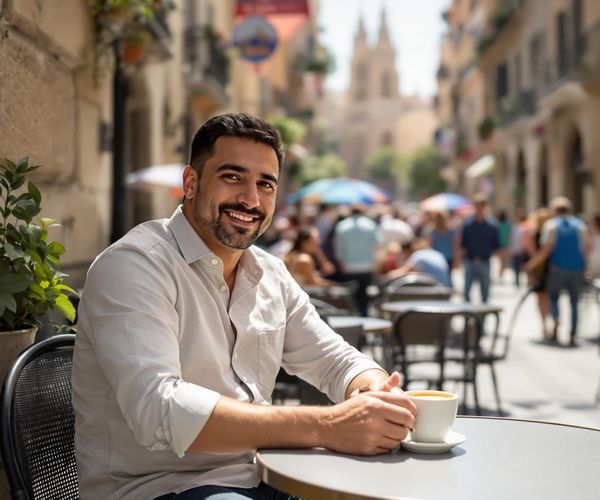
I remember once being in a small village in Spain, struggling to order coffee in broken Spanish. The barista, initially a bit reserved, lit up when he realized I was trying to speak his language. What started as a simple transaction turned into a warm conversation about the region's history and culture. That interaction wouldn't have happened if I hadn't made the effort to speak the local tongue.
Cultural Immersion Through Festivals and Celebrations
Cultural events are fantastic windows into the soul of a community. Festivals and celebrations offer a chance to witness local traditions, music, dance, and cuisine firsthand. They provide an opportunity to participate in the collective joy and energy of the community.
Before your trip, do some research to find out about local festivals and celebrations that coincide with your travel dates. Look beyond the major tourist events and seek out smaller, more authentic gatherings. Local tourism boards and community websites are great resources for finding these hidden gems.
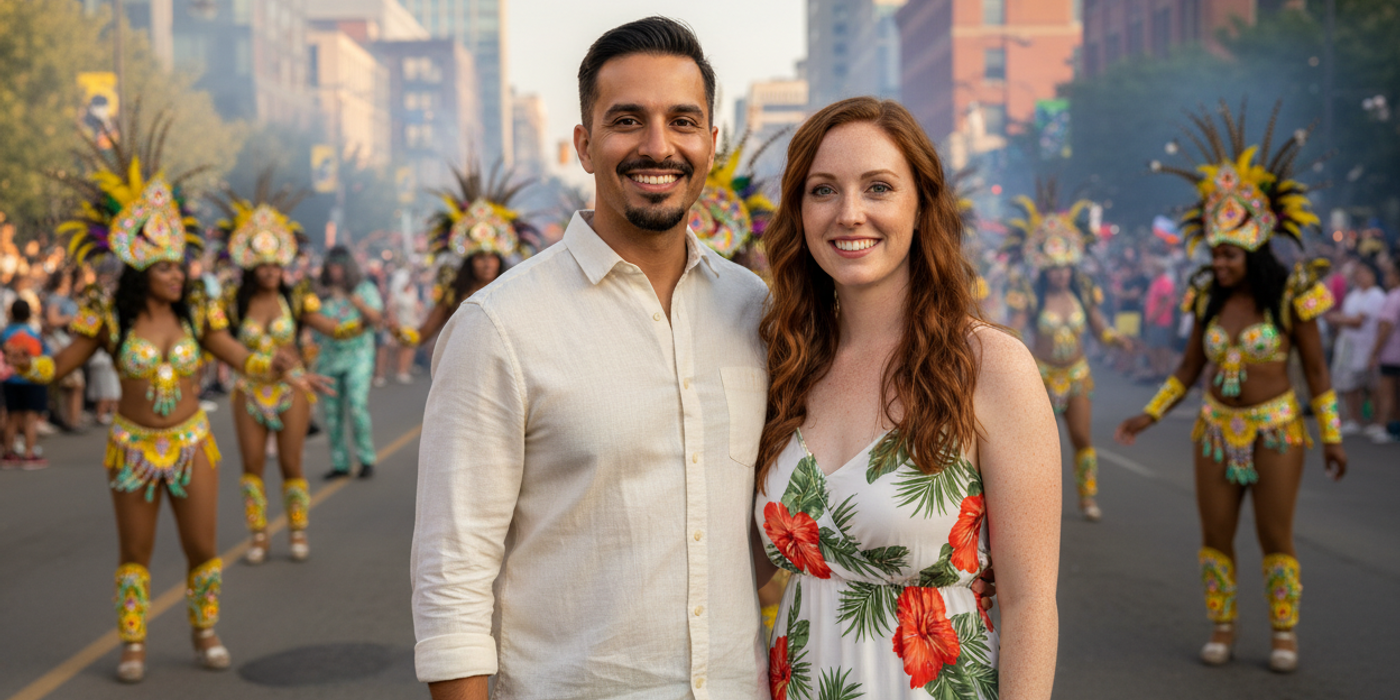
Isabella and I love attending cultural festivals, both here in Edmonton and abroad. One of our most memorable experiences was attending the Cariwest Caribbean Arts Festival in Edmonton. The vibrant costumes, music, and food transported us to the Caribbean, and we learned so much about the region's rich cultural heritage. Similarly, experiencing the Día de los Muertos celebrations in Oaxaca, Mexico, gave us a profound appreciation for the country's unique traditions and beliefs. These experiences have not only been fun but have also deepened our understanding and respect for different cultures.
Supporting Local Artisans: A Sustainable Approach to Souvenirs
Instead of buying mass-produced souvenirs from tourist shops, consider supporting local artisans. Buying directly from the people who create traditional crafts helps to sustain their livelihoods and preserve their cultural heritage.
Supporting local artisans also contributes to the local economy and promotes sustainable tourism practices. It ensures that your money goes directly to the community, rather than to large corporations.
When searching for authentic, locally-made products, visit local markets, craft fairs, and artisan workshops. Talk to the artisans about their craft, their inspiration, and their stories. You'll not only find unique treasures but also gain a deeper understanding of the local culture.
During our travels in Peru, Isabella and I discovered beautiful hand-woven textiles made by indigenous women in the Andes. We purchased several pieces directly from the artisans, learning about the intricate weaving techniques and the cultural significance of the designs. These souvenirs are not just objects; they are tangible reminders of our connection to the community and its rich artistic heritage.
Culinary Journeys: Tasting Your Way Through a Culture
Food is an integral part of any culture. Exploring the local cuisine is a delicious way to immerse yourself in the traditions and flavors of a place. Don't be afraid to venture beyond the familiar and try new dishes and street food.
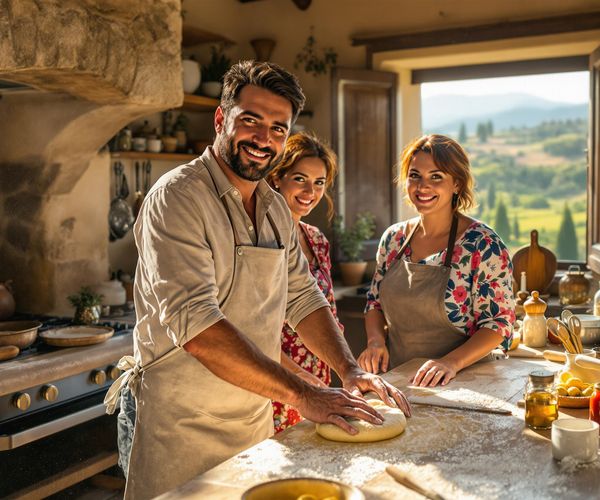
To find authentic food experiences, consider taking a cooking class or joining a food tour. These activities will give you a hands-on understanding of local ingredients, cooking techniques, and culinary traditions. Ask locals for recommendations on their favorite restaurants and food stalls.
Some of my favorite culinary experiences include learning to make pasta from scratch in Italy, sampling street food in Thailand, and cooking traditional Uruguayan dishes with my grandmother. Isabella and I also enjoy exploring local markets and experimenting with new ingredients in our own kitchen. Cooking and sharing food is a wonderful way to connect with others and celebrate the diversity of cultures.
Respect and Curiosity: The Cornerstones of Immersive Travel
Ultimately, immersive travel is about approaching new cultures with respect and curiosity. It's about being open to new experiences, willing to learn, and mindful of local customs and traditions.
Before you travel, do some research on the cultural norms and etiquette of your destination. Be aware of potential cultural faux pas and make an effort to avoid them. Dress modestly when visiting religious sites, ask permission before taking photos of people, and be mindful of your body language and tone of voice.
My curiosity has often led to unexpected and rewarding experiences. Once, while visiting a remote village in Guatemala, I struck up a conversation with a local farmer about his crops. He invited me to his home, where I met his family and learned about their way of life. That simple act of curiosity opened up a world of understanding and connection that I will never forget.
Remember, immersive travel is a journey of discovery, both of the world around you and of yourself. Embrace the unknown, be open to new perspectives, and allow yourself to be transformed by the experience. Happy travels!
Explore the concept of immersive travel and how it enhances the travel experience. Offer strategies for travelers to engage with local communities and cultures authentically.