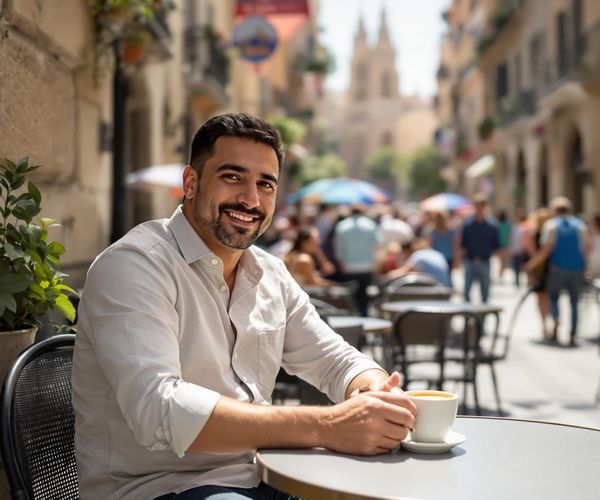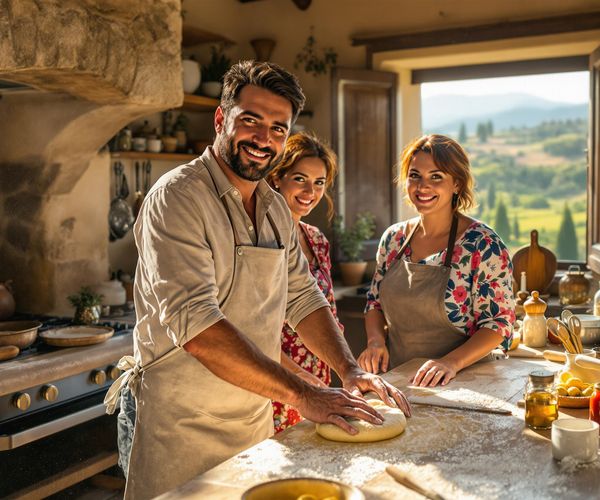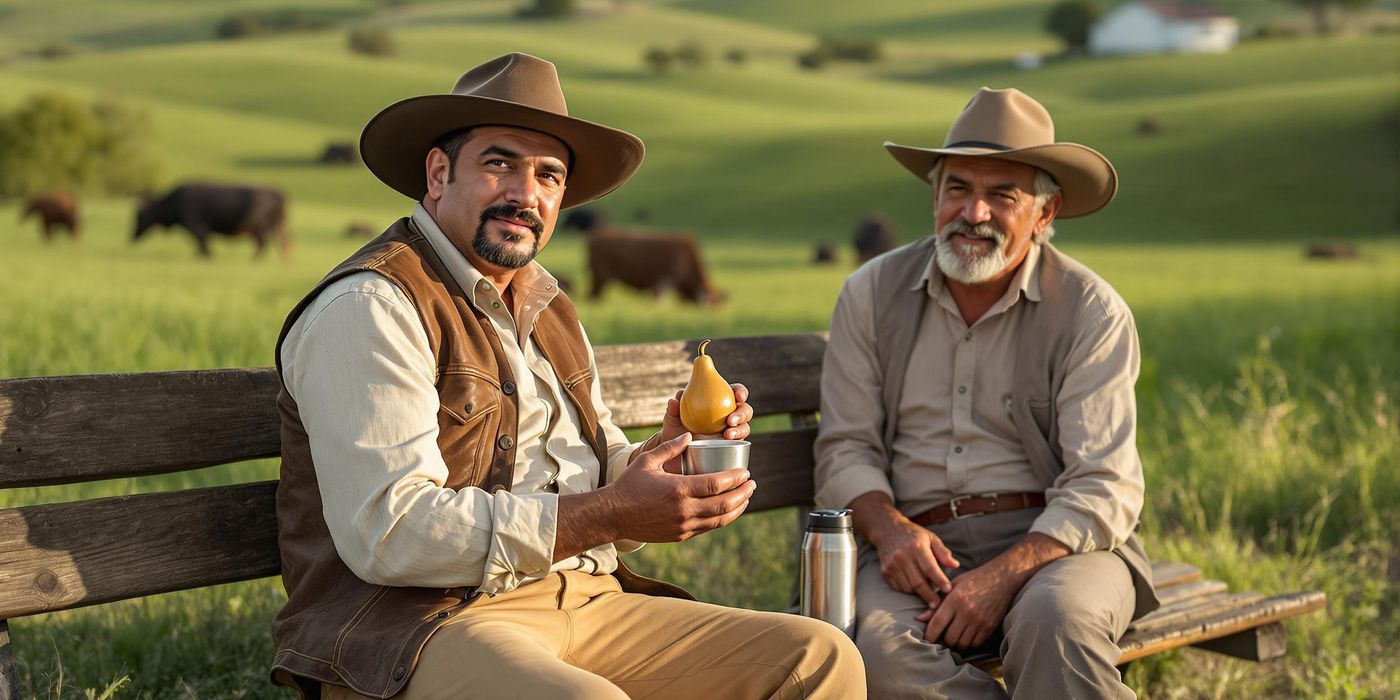
From the rolling hills of Uruguay to the majestic Canadian Rockies, my travels have always been intertwined with my passion for photography. It's more than just taking pictures; it's about capturing moments, preserving memories, and telling stories that transcend borders. Join me as I share some insights into how you can elevate your travel photography and create lasting impressions of your adventures.
The Art of Storytelling Through Travel Photography
For me, travel photography is about capturing the essence of a place and the emotions it evokes. It's not just about pretty landscapes; it's about the people, their stories, and the cultural nuances that make each destination unique. Think of your camera as a storyteller, and each photo as a chapter in a larger narrative.
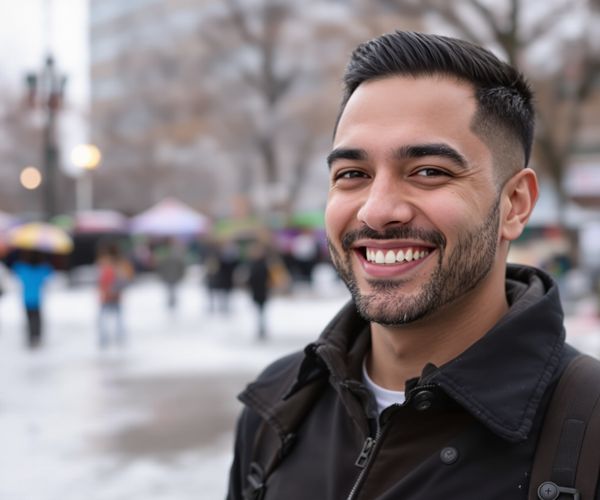
During my travels through Uruguay, I always tried to capture the spirit of the gauchos – the cowboys of South America. {image1} I didn't just want to take pictures of them riding horses; I wanted to show their connection to the land, their resilience, and their deep-rooted traditions. To do this, I focused on capturing candid moments – a gaucho sharing a mate (a traditional South American caffeinated drink) with a friend, or a family gathered around a campfire, sharing stories under the stars. These are the moments that truly convey the heart and soul of a place.
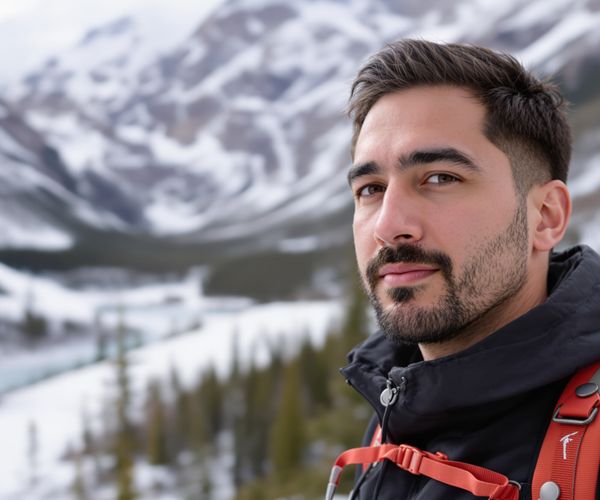
Similarly, in Canada, I've found myself drawn to the stories of the First Nations people. {image2} Their history and culture are deeply intertwined with the land, and I strive to capture their connection to nature in my photography. It's about respecting their traditions and sharing their stories in a way that honors their heritage.
Composition Techniques for Visually Appealing Shots
A well-composed photograph can transform an ordinary scene into something extraordinary. Over the years, I've learned a few composition techniques that have significantly improved my travel photography.
- Rule of Thirds: Imagine dividing your frame into nine equal parts with two horizontal and two vertical lines. Placing key elements along these lines or at their intersections creates a more balanced and visually appealing image. For example, when photographing a landscape, I often place the horizon line along the top or bottom third of the frame to draw the viewer's eye to the main subject.
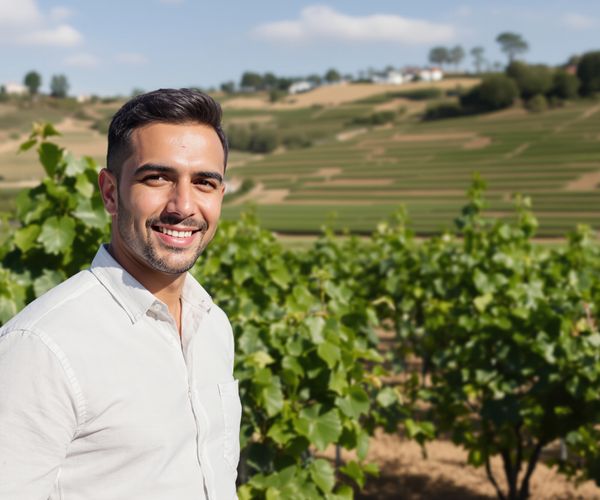
- Leading Lines: Use lines to guide the viewer's eye through the photo. Roads, rivers, fences, and even shadows can serve as leading lines, creating a sense of depth and drawing attention to the focal point. I often use leading lines to emphasize the vastness of the Canadian Rockies, {image3} guiding the viewer's eye towards the towering peaks.
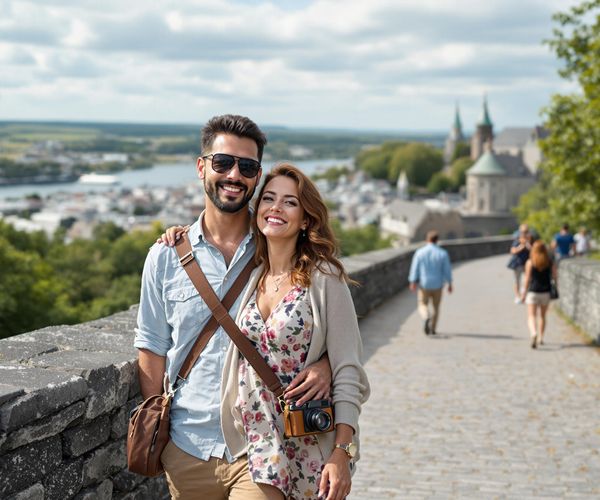
- Symmetry and Patterns: Look for symmetrical scenes or repeating patterns that create a sense of harmony and visual interest. Buildings, reflections, and natural formations can all offer opportunities for symmetrical compositions. I once photographed a perfectly symmetrical building in Montevideo, Uruguay, {image4} which created a striking and memorable image.
- Framing: Use elements within the scene to frame your subject, such as trees, archways, or windows. Framing adds depth and context to the photo, drawing the viewer's attention to the main subject. During my travels in Canada, I often use the natural framing of the forests to highlight the beauty of the lakes and rivers.
Capturing Local Culture and Authentic Moments
One of the most rewarding aspects of travel photography is the opportunity to capture local culture and authentic moments. However, it's crucial to approach this with respect and sensitivity. Always be mindful of the local customs and traditions, and seek permission before photographing people, especially in sacred places.
During my time in Uruguay, I learned the importance of building rapport with the locals before taking their picture. {image5} I would often spend time chatting with them, learning about their lives and sharing stories. This not only made them feel more comfortable but also allowed me to capture more genuine and meaningful moments. It's about connecting with people on a human level and showing respect for their culture.
In Canada, I've had the opportunity to photograph Indigenous ceremonies and events. It's an honor to witness these traditions, but it's also a responsibility to represent them accurately and respectfully. I always make sure to learn about the significance of the event and to follow any guidelines or restrictions that are in place.
Mastering Light and Atmosphere
Light is the lifeblood of photography. Understanding how to use light effectively can dramatically improve your travel photos. The golden hour (the hour after sunrise and the hour before sunset) and the blue hour (the hour after sunset and the hour before sunrise) are particularly magical times for photography, offering soft, warm light and beautiful colors.
I love photographing landscapes during the golden hour, {image6} as the warm light creates a sense of depth and texture. The blue hour is perfect for capturing cityscapes, as the soft light creates a dreamy and ethereal atmosphere.
Dealing with harsh sunlight can be challenging, but there are a few tricks you can use. Try shooting in the shade, using a diffuser to soften the light, or waiting for a cloudy day. You can also use the harsh light to your advantage by creating dramatic shadows and silhouettes.
Essential Gear and Settings for Travel Photography
While the most important tool for travel photography is your eye, having the right gear can certainly help. Here's a quick rundown of some essential equipment and settings:
- Camera Body: A DSLR or mirrorless camera is a great choice, as they offer a wide range of lenses and settings. However, even a smartphone can be used to capture stunning travel photos.
- Lenses: A versatile zoom lens, such as a 24-70mm or 24-105mm, is a great option for travel photography, as it allows you to capture both landscapes and portraits. A wide-angle lens (e.g., 16-35mm) is useful for capturing expansive landscapes, while a telephoto lens (e.g., 70-200mm) is great for capturing distant subjects or wildlife.
- Tripod: A tripod is essential for capturing sharp images in low light or for long exposures. {image7}
As for camera settings, I typically shoot in aperture priority mode, which allows me to control the depth of field. I also adjust the ISO settings depending on the lighting conditions. In bright light, I use a low ISO (e.g., 100 or 200), while in low light, I increase the ISO to allow more light to reach the sensor. However, be careful not to increase the ISO too much, as this can introduce noise into the image.
Travel photography is a journey of discovery, both of the world around you and of your own creative potential. By focusing on storytelling, mastering composition techniques, capturing local culture, and understanding light, you can create images that not only preserve your memories but also inspire others to explore the world.
Elevate your travel photography with storytelling, composition, and cultural sensitivity. Capture authentic moments and preserve memories beyond the lens.