As a historical linguist, I've always been fascinated by how language and culture intertwine. My travels with my wife, Katarína, have taken us to some incredible cultural events around Europe, from the vibrant La Tomatina in Spain to the more obscure (but equally fascinating) Slavic harvest festivals. These experiences have not only enriched our understanding of different societies but have also added a whole new dimension to our travels. I'm excited to share some tips on how you can discover and participate in cultural events during your own adventures!
The Allure of Cultural Events
What exactly is a cultural event? It's more than just a tourist attraction; it's a window into a community's soul. Think of it as a living, breathing expression of a society's identity, history, and traditions. These events, whether grand festivals or small local celebrations, offer a unique opportunity to connect with people on a deeper level.
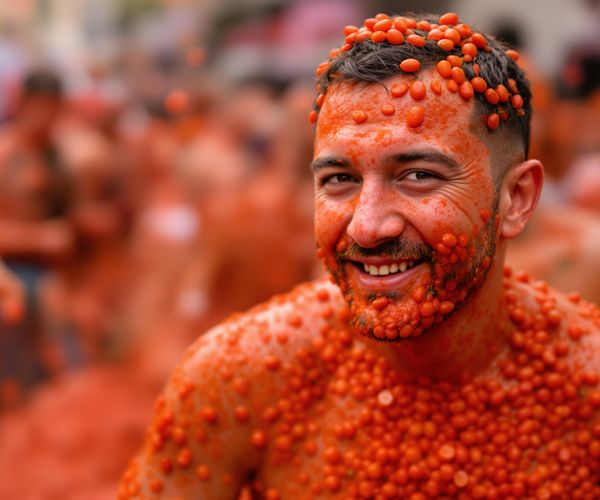
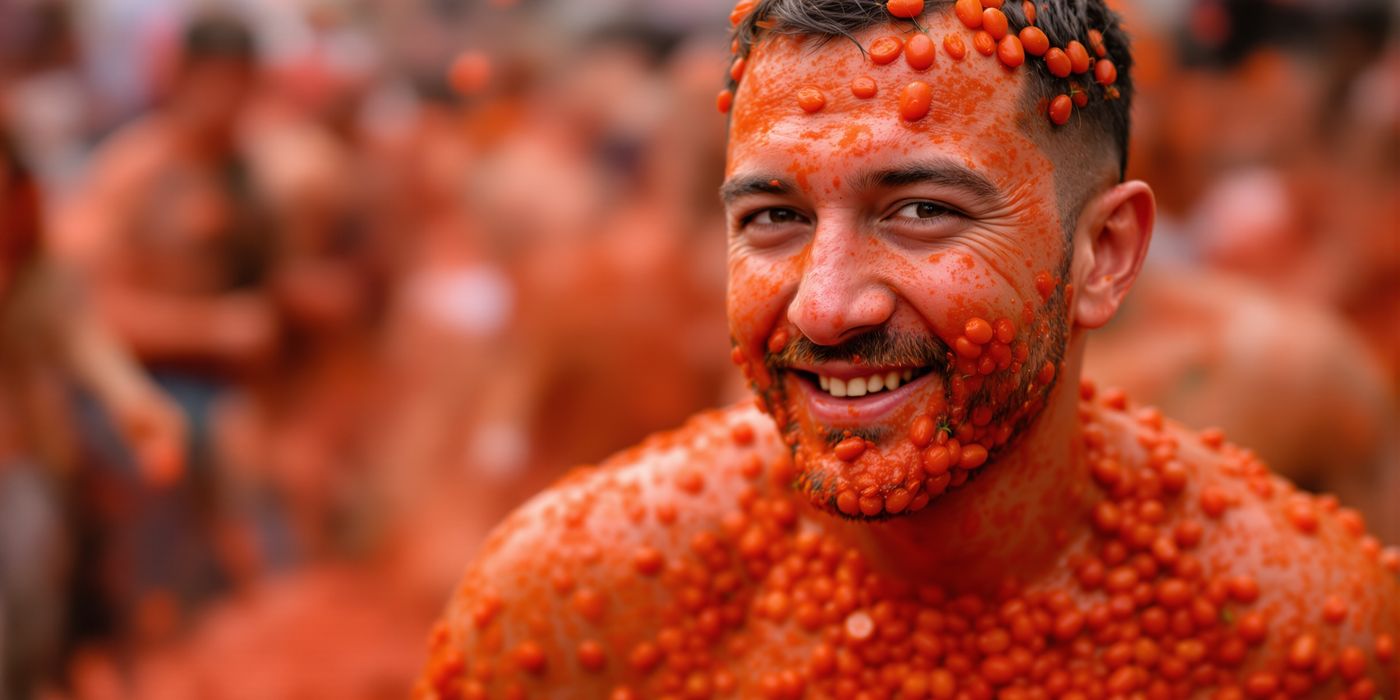
I remember attending La Tomatina in Buñol, Spain. Sure, it's a massive tomato fight, and it sounds a bit crazy (and it is!), but being there, covered in tomato pulp with thousands of other people, gave me a real sense of the town's playful spirit and communal joy. It wasn't just about throwing tomatoes; it was about participating in a shared experience that transcended language and background.
Researching and Finding Cultural Events
The key to a great cultural experience is research. Before you even book your flights, start digging! Official tourism websites are a good starting point, but don't stop there. Travel blogs and forums can offer invaluable insights and firsthand accounts.
Look for niche festival websites that focus on specific traditions or art forms. These often provide detailed information that you won't find on general tourism sites. And always, always check event calendars and social media pages for the latest updates. Some of the most unique festivals happen only once a year, or even less frequently, so timing is crucial.
For example, if you're planning a trip to Europe, the European Festivals Association's Festival Finder is an excellent resource for discovering arts festivals of all kinds.
Planning Your Trip Around Cultural Events
Once you've found an event that piques your interest, plan well in advance. Popular events can sell out quickly, so booking tickets early is essential. The same goes for accommodations. Hotel rooms and guesthouses near the venue tend to fill up fast, so don't delay.
Also, think about transportation. Public transportation and roads can be congested during major events, so plan your route to and from the event carefully. And always have a backup plan in case of unexpected delays or changes in transportation.
Festival Etiquette: Respecting Traditions and Customs
This is crucial: respect local customs and traditions. Remember, you're a guest in someone else's home. Before attending an event, take the time to learn about appropriate attire and dress codes. Some festivals have specific requirements, and dressing inappropriately can be seen as disrespectful.
Be mindful of personal space, especially in crowded areas. What's considered acceptable in your culture might not be in another. And when it comes to photography, always ask for permission before taking pictures of individuals or ceremonies. Responsible photography is key to showing respect.
Immersing Yourself in the Experience
Don't just be a spectator; immerse yourself in the experience. Participate in cultural activities, workshops, and performances offered at the festival. Engage with locals, try regional foods, and participate in traditional activities.
Learning a few basic phrases in the local language can go a long way in showing respect and sparking friendly interactions. Even a simple dobrý deň (good day) in Slovak or guten Tag in German can make a difference. To find authentic festivals and cultural experiences, check out cultural centers and local museums. These are often hubs for community events and celebrations.
Culinary Adventures at Cultural Festivals
Food is an integral part of any culture, and cultural festivals are a great place to indulge in local cuisine. Research traditional dishes and beverages associated with the festival or region. Sample street food, visit local markets, and don't be afraid to try new things.
However, be mindful of food safety and hygiene, especially when eating street food. Look for vendors with clean stalls and freshly prepared food. If something doesn't look or smell right, it's best to avoid it.
Staying Safe and Responsible
While immersing yourself in the festivities, it's essential to stay safe and responsible. Be aware of your surroundings and take precautions against sketchy behavior, especially in large crowds. Keep your belongings close and be wary of pickpockets.
Stay hydrated and fueled, especially if you're spending long periods outdoors. Drink plenty of water and eat regular meals to avoid exhaustion. Let someone know where you're going, and if possible, attend events with a friend or group.
Finally, promote sustainable festival travel by packing reusable items, supporting local artisans, and respecting historical and sacred sites. By traveling responsibly, you can help preserve these cultural treasures for future generations.
Discover how to enrich your travels by attending cultural events abroad. Learn tips on researching, planning, respecting traditions, and immersing yourself in local experiences.