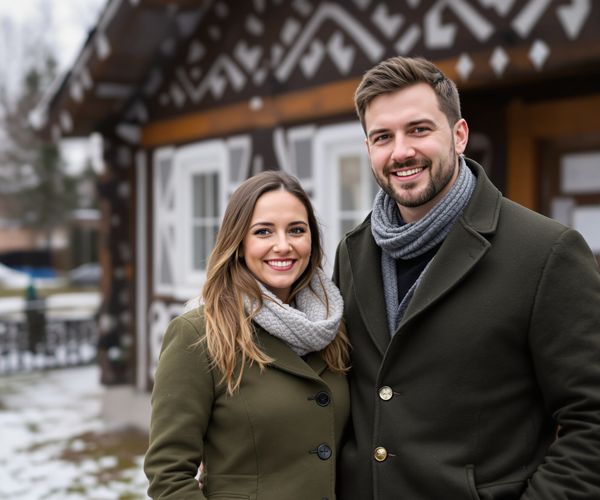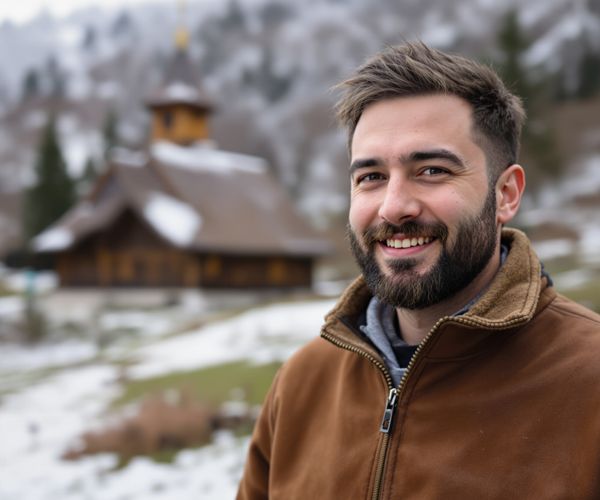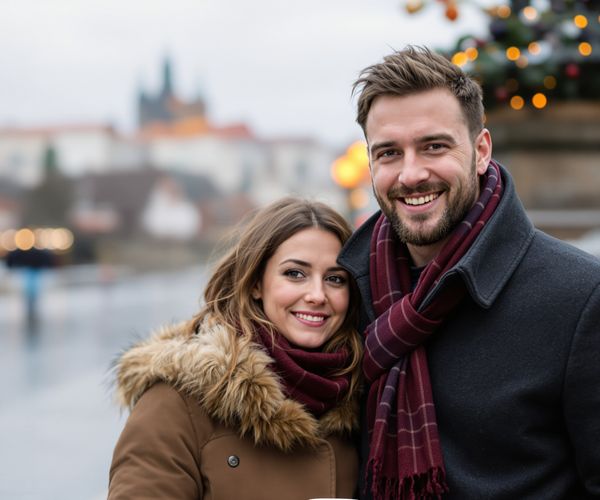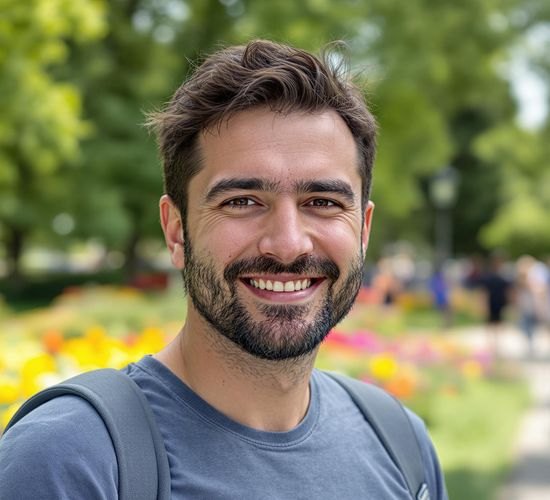

As a historical linguist with a penchant for photography, I, Jozef Baláž, have found that capturing the essence of historical sites requires more than just enthusiasm. It demands the right gear. Over the years, my wife Katarína and I have explored countless castles, ruins, and ancient cities. Through trial and error, I've curated a selection of photography equipment that perfectly balances quality, portability, and versatility. Let's dive into the essentials for any traveling historian looking to document their journeys through a lens.
Introduction: Capturing History Through a Lens
Photography is more than just taking pictures; it's about preserving moments and telling stories. For those of us drawn to historical travel, it's a way to connect with the past on a deeper level. Imagine standing before the Colosseum, not just as a tourist, but as someone trying to capture its grandeur and the echoes of its history. The challenge lies in doing justice to these sites, battling crowds, varying light conditions, and the sheer scale of history before you. But with the right tools, the rewards are immense – the ability to share your unique perspective and inspire others to appreciate the past.
Camera Body: Balancing Quality and Portability
Choosing the right camera body is crucial. You'll want something that delivers excellent image quality without weighing you down. Here's my take on the main types:
- Mirrorless Cameras: These are my personal favorite. They offer fantastic image quality in a compact body. Brands like Sony, Canon, and Nikon have excellent mirrorless options. For instance, the Sony Alpha series (like the a6000 or a7 models) provides a great balance of features and portability. The Fujifilm X-T series is also worth considering, especially if you appreciate retro aesthetics and intuitive controls.
- Compact Cameras: If portability is your top priority, a high-end compact camera can be a good choice. Models like the Sony RX100 series pack a powerful sensor and lens into a pocket-sized body. However, you might sacrifice some versatility compared to mirrorless or DSLR cameras.
- DSLR Cameras: While DSLRs offer excellent image quality and a wide range of lens options, they tend to be bulkier and heavier than mirrorless cameras. If you already own a DSLR system, it can certainly work for travel, but be prepared to carry extra weight. Brands like Canon and Nikon continue to produce excellent DSLRs.
When choosing, consider weather sealing. Historical sites can be exposed to the elements, and a weather-sealed camera can withstand light rain and dust, giving you peace of mind.
Lenses: Versatility is Key
Lenses are just as important as the camera body. For historical and cultural site photography, versatility is key. Here are the lens types I recommend:
- Wide-Angle Lens: A wide-angle lens is essential for capturing the grandeur of large structures and landscapes. A focal length of 16-35mm is ideal. This allows you to capture the full scope of cathedrals, castles, and expansive ruins, providing context and scale to your images.
- Zoom Lens: A zoom lens, such as a 24-70mm or 24-105mm, offers versatility for various shooting scenarios. It allows you to zoom in on details or capture wider scenes without changing lenses constantly. This is particularly useful in crowded tourist spots where changing lenses can be cumbersome and risky.
- Prime Lens: A fast prime lens, like a 35mm f/1.8 or 50mm f/1.8, is excellent for low-light conditions and creating shallow depth of field. These lenses are lightweight and can produce stunning images with beautiful bokeh. They're perfect for capturing portraits or highlighting specific details within a historical setting.
Lens speed (aperture) is crucial, especially when photographing interiors of old buildings or during twilight hours. A wider aperture (lower f-number) allows more light to enter the lens, enabling you to capture brighter images without increasing the ISO too much, which can introduce noise.
Essential Accessories: Enhancing Your Photography
Accessories can significantly enhance your photography experience. Here are some must-haves:
- Tripods: A lightweight and portable tripod is essential for sharp images in low light and for long exposures. Look for a carbon fiber tripod that is sturdy yet easy to carry. Brands like Manfrotto and Peak Design offer excellent travel tripods.
- Camera Bags: A comfortable and secure camera bag is crucial for protecting your gear while on the move. Consider a backpack-style bag with padded compartments and easy access to your equipment. Brands like Peak Design and Wandrd offer stylish and functional options.
- Batteries and Power Banks: Always carry extra batteries and a reliable power bank to avoid running out of power during long days of shooting. Cold weather can drain batteries quickly, so it's better to be prepared.
- Memory Cards: Carry sufficient high-capacity memory cards to store all your photos. It's better to have multiple smaller cards than one large card, in case one fails.
- Filters: Polarizing filters can reduce glare and enhance colors in landscape and architectural photography. Neutral density filters are useful for long exposures, allowing you to capture motion blur or smooth out water surfaces.
Tips for Capturing the Essence of Historical Sites
Beyond the gear, here are some tips to help you capture the essence of historical sites:
- Research: Before visiting a site, research its historical background. Understanding the context will help you tell a more compelling story through your photos.
- Composition: Use composition techniques such as the rule of thirds, leading lines, symmetry, and framing to create visually appealing images. Experiment with different perspectives to find unique shots.
- Lighting: Pay attention to natural light and shadows. Golden hour (the hour after sunrise and the hour before sunset) often provides the most dramatic and flattering light.
- Angles: Don't be afraid to experiment with different angles and perspectives. Shooting from a low angle can emphasize the grandeur of a building, while shooting from a high angle can provide a unique overview of the site.
- Details: Capture small details that tell a story, such as intricate carvings, weathered textures, or faded inscriptions. These details can add depth and meaning to your photos.
- Respect: Always be respectful of the site and its surroundings. Avoid climbing on structures or disturbing artifacts. Follow any rules or guidelines set by the site management.
A guide to the essential photography gear for travelers interested in capturing historical sites and cultural experiences. Includes camera and lens recommendations.