
Understanding Cultural Immersion
Cultural immersion goes far beyond typical sightseeing. It's about diving deep into the local way of life, understanding the nuances of daily routines, and appreciating the unique perspectives of the people who call a place home. It's not just about seeing the monuments; it's about understanding the stories behind them and how they've shaped the culture.
For me, cultural immersion means ditching the tour bus and embracing the unexpected. It's about forging deeper connections, enriching your experiences, and fostering personal growth. It’s about coming home with more than just photos; it’s about carrying a piece of the place within you.
Engaging with Locals
One of the most rewarding aspects of cultural immersion is connecting with locals. Strike up conversations wherever you go – in cafes, shops, or even on public transport. You'd be surprised how open people are to sharing their stories and insights.
Learning a few basic phrases in the local language can make a world of difference. A simple “hello,” “thank you,” or “how are you?” shows respect and genuine interest. It opens doors and invites people to connect with you on a more personal level. Katarína always impresses the locals with her attempts, even if she mixes up the words sometimes – it’s the effort that counts!
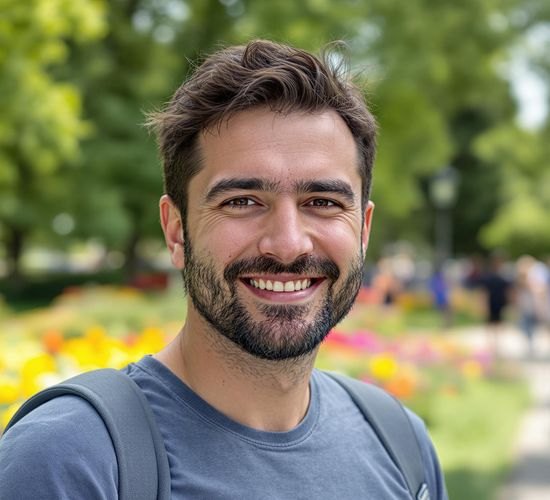
Spend time in community spaces like parks and markets. Observe daily life, soak in the atmosphere, and let the rhythm of the place wash over you. These are the places where you'll witness the true essence of the culture.
Venturing Beyond Tourist Hotspots
While iconic landmarks are worth seeing, true cultural immersion often lies in exploring neighborhoods and regions less frequented by tourists. These hidden gems offer a more authentic glimpse into local life.
Visit local markets, attend community events, and support small businesses. These are the places where you'll find unique products, delicious food, and genuine interactions with locals. Plus, you'll be contributing directly to the local economy.
Don't be afraid to wander off the beaten path. Some of our most memorable experiences have been in places we stumbled upon by chance – a tiny family-run restaurant tucked away on a side street, a lively street fair in a residential neighborhood, or a quiet park where locals gather to play chess.
Embracing Local Cuisine
Food is an integral part of any culture. Trying traditional dishes and street food is a delicious way to immerse yourself in the local culinary scene. Don't be afraid to sample new flavors and ask about the ingredients and preparation methods.
Visit local markets and food stalls to discover regional specialties and fresh produce. Engage with the vendors, ask for recommendations, and learn about the local ingredients. You might even get a cooking tip or two !
Consider taking a cooking class to learn about local ingredients and cooking techniques. It's a fun and interactive way to deepen your understanding of the culture and impress your friends back home with your newfound culinary skills.
Participating in Local Traditions and Festivals
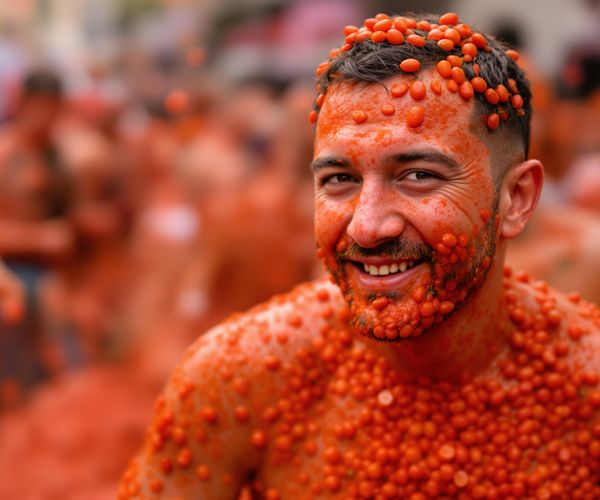
Attending local festivals, concerts, and sporting events is a fantastic way to experience the vibrancy and energy of a culture. These events offer a unique glimpse into the traditions, values, and passions of the community.
Remember to respect local customs and traditions during these events. Dress appropriately, be mindful of your behavior, and show genuine interest in the proceedings. It's a sign of respect and appreciation for the culture.
Research local events and festivals beforehand to plan your itinerary accordingly. Check local websites, tourism boards, and community calendars for information on upcoming events. You might discover a hidden gem that becomes the highlight of your trip.
Learning the Local Language
Even if you only learn a few basic greetings and expressions, making an effort to speak the local language can significantly enhance your cultural immersion. It shows respect, facilitates communication, and opens doors to deeper connections.
Use language learning apps, phrasebooks, or online courses to acquire basic vocabulary and grammar. Practice with native speakers whenever possible. Don't be afraid to make mistakes – it's all part of the learning process.
Immerse yourself in the language by watching local TV shows, listening to local music, and reading local newspapers and magazines. The more you expose yourself to the language, the faster you'll learn.
Understanding Local Customs and Etiquette
Before traveling to a new destination, take the time to research local customs and traditions. Understanding appropriate dress codes, gestures, and social behaviors can help you avoid misunderstandings and show respect for the culture.
Be mindful of your language and body language. Some gestures and expressions that are perfectly acceptable in your culture may be offensive in another. When in doubt, observe how locals behave and follow their lead.
Pay attention to cultural nuances such as gift-giving customs, dining etiquette, and personal space. Showing awareness and respect for these details can go a long way in building positive relationships with locals.
Supporting the Local Economy
One of the most meaningful ways to immerse yourself in a culture is to support the local economy. Buy souvenirs from local shops, eat at locally-owned restaurants, and use services offered by locals. This ensures that tourism benefits the local community and contributes to its sustainability.
Avoid large chain stores and restaurants that may not contribute significantly to the local economy. Instead, seek out small businesses and family-run establishments that offer unique products and services.
Consider staying in locally-owned guesthouses or homestays rather than large hotels. This provides a more authentic experience and directly supports local families.
Being Respectful and Open-Minded
Approach each encounter with an open mind and a willingness to learn. Avoid stereotypes and preconceived notions, and be prepared to challenge your own assumptions. Remember, cultural immersion is about expanding your horizons and embracing new perspectives.
Respect sacred places and religious practices. Dress modestly when visiting religious sites, and be mindful of local customs and traditions. Show reverence and avoid behaviors that may be considered disrespectful.
Be patient and understanding when interacting with locals. Remember that communication barriers and cultural differences can sometimes lead to misunderstandings. Approach these situations with empathy and a willingness to find common ground.
Slowing Down and Being Present
Take time to observe and absorb your surroundings. Don't rush through activities; instead, appreciate the details and soak in the atmosphere. Cultural immersion is about being fully present in the moment and connecting with the place on a deeper level.
Embrace a slow travel mindset. Instead of trying to see everything in a short amount of time, focus on experiencing a few things deeply. This allows you to develop a more meaningful connection with the culture and create lasting memories.
Find moments of solitude to reflect on your experiences and process your emotions. Journaling, meditation, or simply taking a quiet walk can help you integrate your cultural immersion into your personal growth.
Learn how to immerse yourself in local cultures during your travels and create authentic, memorable experiences.