Europe, a continent steeped in history and brimming with diverse cultures, offers a culinary landscape as varied and fascinating as its people. For me, Jozef Baláž, a historical linguist with Slovak roots now living in Potsdam, Germany, exploring European cuisine is more than just satisfying my hunger; it's about uncovering stories, understanding traditions, and connecting with the past. Join me on this delectable journey as I share my insights and experiences navigating the rich tapestry of European flavors.
A Taste of Home: Slovak Influences on My European Culinary Exploration
Growing up in Brezno, Slovakia, surrounded by the majestic mountains and the comforting aromas of traditional Slovak cooking, has profoundly shaped my palate and my approach to exploring European cuisine. My childhood was filled with the hearty flavors of bryndzové halušky (potato dumplings with sheep cheese), the warmth of kapustnica (sauerkraut soup), especially during Christmas, and the sweet indulgence of trdelník (a sweet pastry). These aren't just dishes; they're memories, anchors to my heritage that I carry with me on every culinary adventure.
Whenever I travel, I find myself subconsciously comparing new tastes and textures to these familiar flavors. Is the German Kartoffelsalat as comforting as my grandmother's potato salad? Does the Italian risotto have the same creamy richness as a perfectly made bryndzové halušky? It's not about finding a 'better' dish, but rather understanding the nuances and variations that make each culinary tradition unique. Seeking out ingredients similar to those used in Slovak cooking, like potatoes, cabbage, and smoked meats, often leads me to discover unexpected culinary connections across Europe.
Navigating Regional Specialties: Beyond the Tourist Menu
One of the biggest mistakes a traveler can make is sticking to the well-trodden tourist path, especially when it comes to food. To truly experience a culture, you need to venture beyond the generic menus and discover the authentic regional dishes that tell a story about the land and its people. How do you do that? Start by asking locals for recommendations. Chat with the hotel staff, the shopkeepers, or even the person sitting next to you on the bus. They're often more than happy to share their favorite hidden gems.
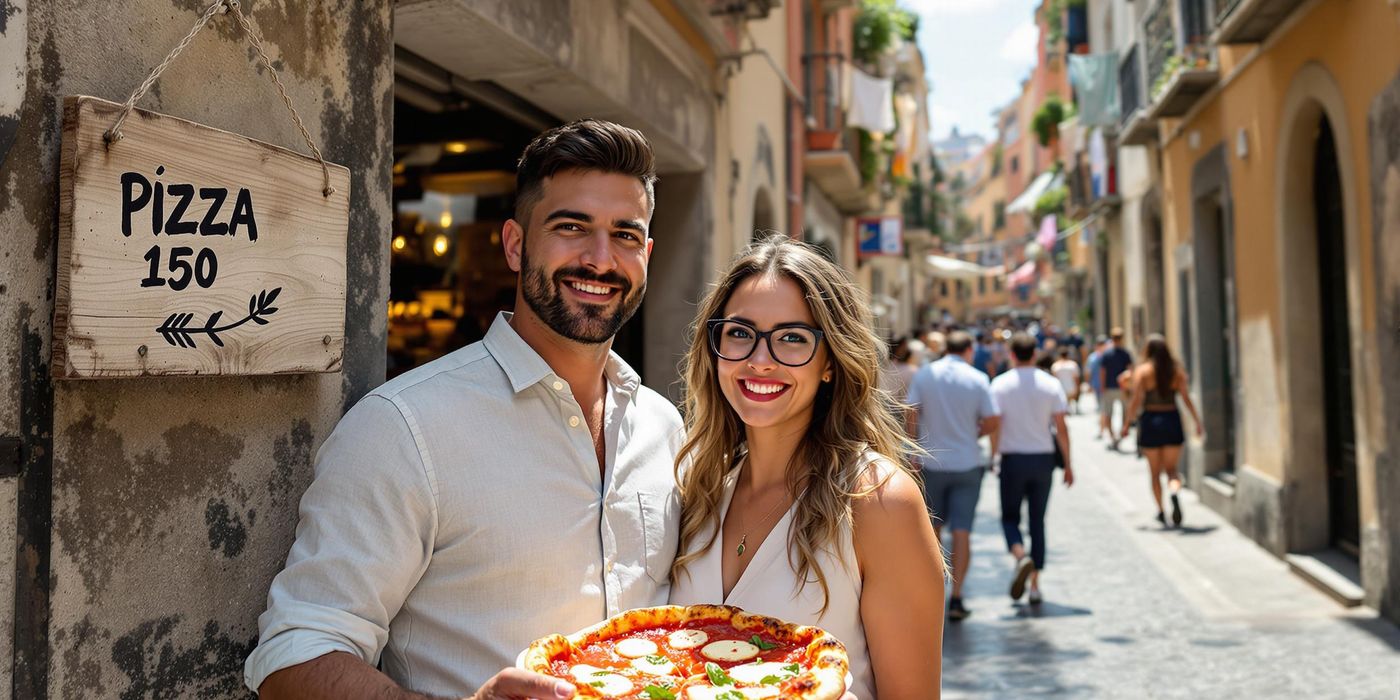
I remember once in Naples, Italy, Katarína and I were determined to find the best pizza in the city. Instead of going to a famous pizzeria recommended in every guidebook, we asked a local vendor where he goes for pizza. He directed us to a small, unassuming place tucked away in a side street. The pizza there, simple yet sublime, was unlike anything we had ever tasted. It was a culinary experience that we would have missed had we stuck to the tourist trail. Don't be afraid to get lost, explore side streets, and trust your instincts (and the recommendations of locals!). Look for smaller establishments, family-run trattorias, and bustling local markets. These are the places where you'll find the heart and soul of a region's cuisine.
The Art of Dining: Etiquette and Customs Across Europe
Understanding local dining etiquette is just as important as knowing what to order. Dining customs vary significantly across Europe, and knowing the basics can save you from embarrassing faux pas and enhance your overall dining experience. For example, in some countries, like France and Italy, it's considered rude to ask for Parmesan cheese for your pasta unless it's explicitly offered. In Germany, it's customary to make eye contact when clinking glasses and to say Prost! (Cheers!).
Tipping practices also differ widely. In some countries, a service charge is already included in the bill, while in others, it's customary to leave a small tip. When in doubt, observe what the locals do or ask your server for clarification. Remember, a little bit of research and awareness can go a long way in showing respect for local customs and ensuring a smooth and enjoyable dining experience. Ordering drinks can also be a minefield. In some countries, it's perfectly acceptable to order tap water, while in others, you're expected to order bottled water. And be mindful of the local drinking culture. In some places, it's customary to drink wine with your meal, while in others, beer is the preferred beverage.
Food as a Storyteller: Unveiling History and Culture Through Cuisine
Food is more than just sustenance; it's a powerful storyteller, reflecting the history, culture, and traditions of a region. Every dish has a story to tell, from the ingredients used to the cooking methods employed. Take, for example, the humble potato. Introduced to Europe from the Americas in the 16th century, it gradually became a staple food, particularly in Northern and Eastern Europe. Its versatility and affordability made it a lifeline for many during times of famine and hardship.
Many traditional dishes across Europe are rooted in historical events or cultural practices. The Spanish paella, for instance, is said to have originated in Valencia, where rice farmers would use whatever ingredients they had on hand to create a hearty and flavorful meal. The French cassoulet, a rich and slow-cooked bean stew, is believed to have originated during the Hundred Years' War, when the people of Castelnaudary gathered whatever food they could find to feed their soldiers. Understanding the story behind a dish can add a whole new layer of appreciation to the dining experience. It transforms a simple meal into a journey through time and culture.
Culinary Adventures with Katarína: A Shared Experience
My culinary explorations are always enhanced by the presence of my wonderful wife, Katarína. She's not just my travel companion; she's also my culinary confidante, my partner in crime when it comes to trying new and exotic dishes. We share a passion for food and a curiosity about different cultures, and together, we've embarked on countless culinary adventures across Europe. Katarína, with her software development skills and sharp mind, often researches local specialties and restaurants before we even arrive at a destination, ensuring we don't miss out on any hidden culinary gems.
We approach trying new dishes with a sense of adventure and a willingness to step outside our comfort zones. We love exploring local markets together, sampling regional cheeses, cured meats, and fresh produce. We also make a point of taking cooking classes whenever we can, learning how to prepare traditional dishes from local chefs. These shared experiences have not only deepened our appreciation for European cuisine but have also strengthened our bond as a couple. After all, what better way to connect with someone than over a delicious meal and a shared love of food?
Join Jozef Baláž on a flavorful journey through Europe, exploring diverse cuisines, regional specialties, dining etiquette, and the stories behind iconic dishes.