As a historical linguist, I spend a lot of time surrounded by the echoes of the past. And as an avid amateur photographer, I love nothing more than trying to capture those echoes in a still image. Join me as I share some tips and tricks I've learned over the years for taking breathtaking photographs of historical sites, perfect for preserving your memories and sharing the stories of these incredible places.
Understanding the Essence of Historical Site Photography
Historical site photography is more than just pointing and shooting; it's about storytelling. It's about conveying the historical context and evoking the emotions that these places hold. Think about what makes the site special. What events happened there? Who walked those halls or streets? Researching the history of the site beforehand can deeply inform your photography, allowing you to make conscious choices about what to emphasize in your shots.
Photography has the power to document, evoke emotion, and even inspire change. When you photograph a historical site, you're not just taking a picture; you're preserving a piece of history for future generations. You're inviting others to connect with the past and to understand its relevance to the present.
Essential Equipment for Historical Site Photography
You don't need the most expensive gear to take great photos, but having the right tools can certainly help. Here's a rundown of my recommended equipment:
- Cameras: While a DSLR or mirrorless camera offers the most control and flexibility, even a smartphone can capture stunning images. My trusty companion is a Sony Alpha 7 III, but Katarína often gets amazing results with her iPhone.
- Lenses: A variety of lenses will allow you to capture different perspectives.
- Wide-angle lenses (e.g., 16-35mm): Perfect for capturing the entirety of large structures and grand landscapes.
- Telephoto lenses (e.g., 70-200mm): Ideal for isolating details, compressing perspective, and capturing distant subjects. I love using mine to pick out gargoyles on gothic cathedrals.
- Macro lenses (e.g., 50mm or 100mm macro): Fantastic for capturing the intricate details of artifacts, textures, and small architectural elements.
- Tripods: Essential for sharpness, especially in low light conditions or when shooting panoramic shots. Trust me, a sturdy tripod is worth its weight in gold!
- Filters: A polarizing filter can reduce glare, enhance colors, and cut through haze, especially useful when photographing stone buildings or water features.
- Other useful accessories:
- Remote shutter release: Prevents camera shake when using a tripod.
- Extra batteries and memory cards: Always be prepared! There's nothing worse than running out of power or storage space mid-shoot.
Mastering Light and Timing
Light is everything in photography, and understanding how to use it is crucial for capturing stunning images of historical sites.
- The golden hour: The period just after sunrise and before sunset offers the most beautiful, warm light. This is the ideal time to photograph historical sites, as the soft light accentuates textures and creates a magical atmosphere.
- Dealing with harsh midday light: If you have to shoot during midday, look for shade or use a fill flash to soften harsh shadows. Overcast days can also be your friend, providing soft, even light that's perfect for capturing details.
- Shooting on overcast days: Don't despair if the sun isn't shining! Overcast days provide soft, diffused light that's perfect for capturing details without harsh shadows.
- Night photography: Many historical sites are beautifully illuminated at night. Use a tripod and long exposure to capture the ethereal glow of these structures. Experiment with different shutter speeds to achieve the desired effect.
Composition Techniques for Storytelling
Composition is the art of arranging elements within your frame to create a visually appealing and engaging image.
- Rule of thirds: Imagine dividing your frame into nine equal parts with two horizontal and two vertical lines. Place key elements along these lines or at their intersections to create a balanced and dynamic composition.
- Leading lines: Use pathways, walls, fences, or architectural elements to guide the viewer's eye through the image and towards the main subject.
- Symmetry: Look for symmetrical elements in historical structures, such as doorways, windows, or facades. Centering these elements can create a sense of balance and harmony.
- Framing: Use windows, archways, doorways, or even tree branches to frame your subject and add depth to your image. This technique can help to isolate the subject and draw the viewer's attention to it.
- Creating depth: Incorporate foreground, middle ground, and background elements to create a sense of depth and perspective. This can be achieved by including objects in the foreground, such as flowers, rocks, or people, to provide a sense of scale and context.
Camera Settings and Techniques
Understanding your camera settings is essential for capturing the best possible images.
- Shooting in RAW format: Always shoot in RAW format to capture the maximum amount of detail and dynamic range. This will give you more flexibility when it comes to post-processing.
- Aperture: Use a wide aperture (e.g., f/2.8 or f/4) to create a shallow depth of field and isolate your subject. Use a narrower aperture (e.g., f/8 or f/11) to keep both the foreground and background in focus.
- ISO: Keep your ISO as low as possible to minimize noise, especially in low-light conditions. Use a tripod to allow for longer exposures at low ISO settings.
- Shutter speed: Use an appropriate shutter speed to avoid blur. If you're shooting handheld, use a shutter speed that's at least equal to the focal length of your lens (e.g., 1/50th of a second for a 50mm lens). Use a tripod to allow for longer exposures.
- Using HDR (High Dynamic Range): HDR involves combining multiple exposures to capture a wider range of tones than is possible with a single exposure. This can be particularly useful when photographing scenes with high contrast, such as interiors with bright windows.
Finding Unique Perspectives and Details
Don't be afraid to experiment and look for unique perspectives to make your photos stand out.
- Shooting from high and low angles: Get down low to emphasize the scale and grandeur of a structure, or shoot from a high vantage point to capture a panoramic view.
- Focusing on architectural details: Capture the intricate carvings, textures, and patterns that make each historical site unique.
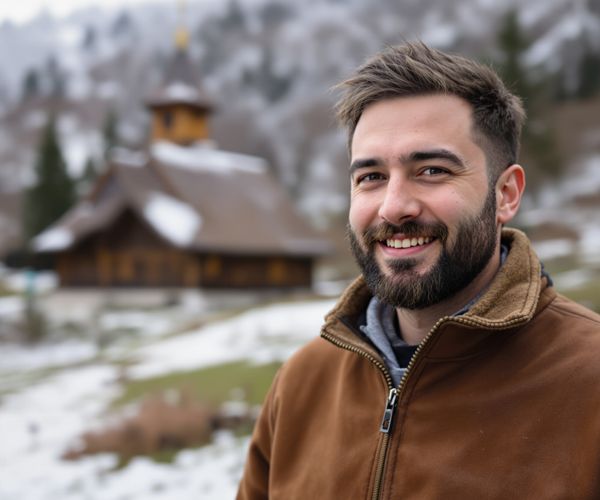
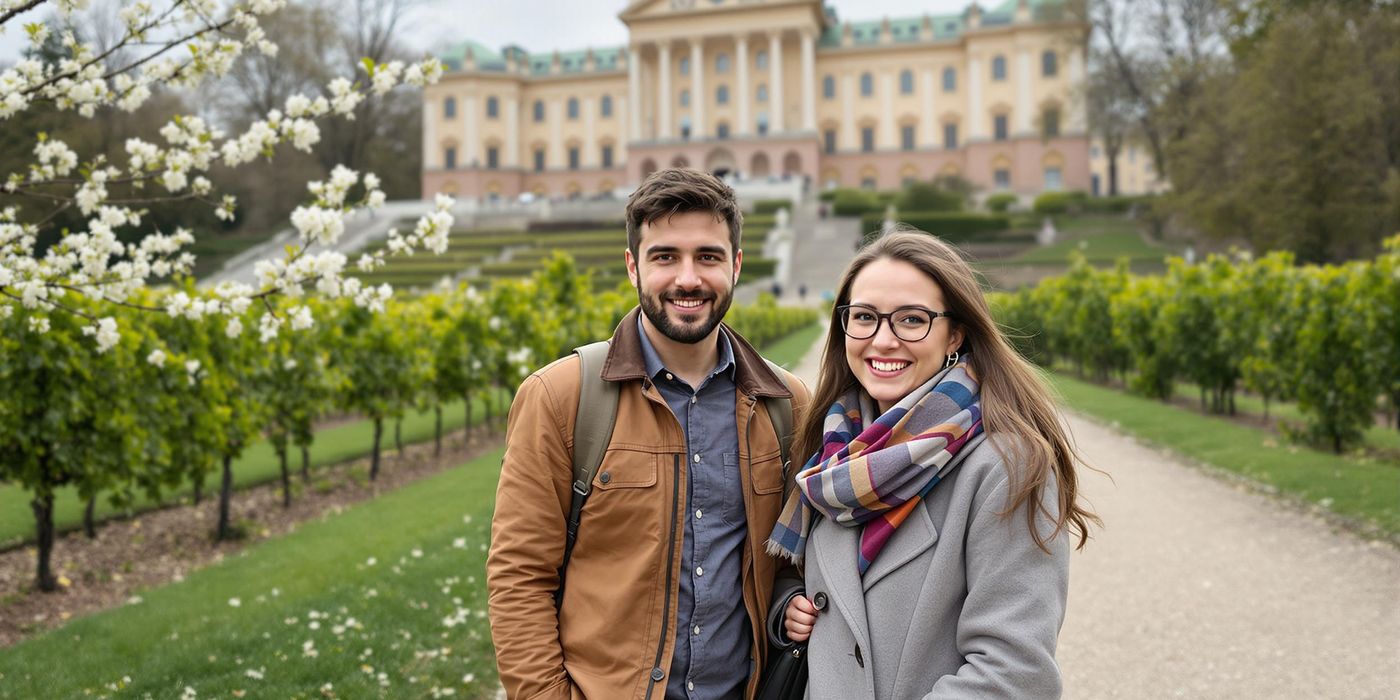
- Incorporating the surroundings: Combine historical sites with their environment to tell a more complete story. Include elements such as trees, mountains, or bodies of water to provide context and create a sense of place.
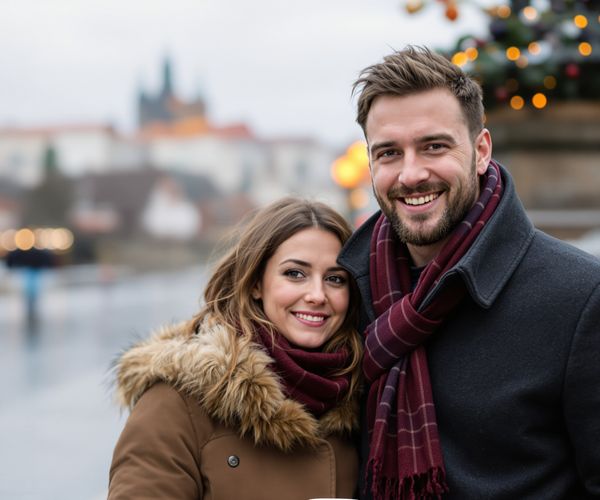
- Including people: Adding people to your shots can provide a sense of scale and storytelling. Capture people interacting with the site, or simply include them in the background to provide a sense of context. Just remember to be respectful of the site and the people around you.
- Photographing artifacts and features to narrate stories through objects: Sometimes, the story of a place is best told through the objects it holds. Capture the details of artifacts, inscriptions, and other features to bring the history of the site to life.
Post-Processing Tips for Enhancing Historical Site Photos
Post-processing is an essential part of the photography workflow. Here are some tips for enhancing your historical site photos:
- Correcting perspective distortion: Use software like Adobe Lightroom or Photoshop to fix converging lines and straighten perspectives.
- Adjusting exposure and contrast: Enhance details and create a balanced image by adjusting the exposure, contrast, highlights, and shadows.
- Color correction and white balance: Achieve accurate and pleasing colors by adjusting the white balance and making color corrections.
- Sharpening: Enhance details without adding noise by using sharpening tools. Be careful not to over-sharpen, as this can create unwanted artifacts.
- Removing distractions: Clean up unwanted elements in your photos, such as power lines, trash cans, or tourists, using cloning or healing tools.
Learn how to take stunning photos of historical sites with these expert tips on lighting, composition, and camera settings. Capture the essence and beauty of historical landmarks.