As a linguist, I've always been fascinated by the kaleidoscope of languages that paint our world. Traveling, for me, isn't just about seeing new places; it's about connecting with people, understanding their stories, and immersing myself in their culture. But let's be honest, language barriers can sometimes feel like towering walls. So, how do we navigate these linguistic landscapes and turn potential frustrations into enriching experiences?
The Joys and Challenges of Linguistic Diversity
First, let's acknowledge something: If you're a native speaker of English, like I am with Slovak and German, you're already holding a golden ticket. English is so widely spoken that it's easy to take for granted. However, stepping outside that linguistic comfort zone can be both humbling and eye-opening. You quickly realize that not everyone understands you, and that's okay!
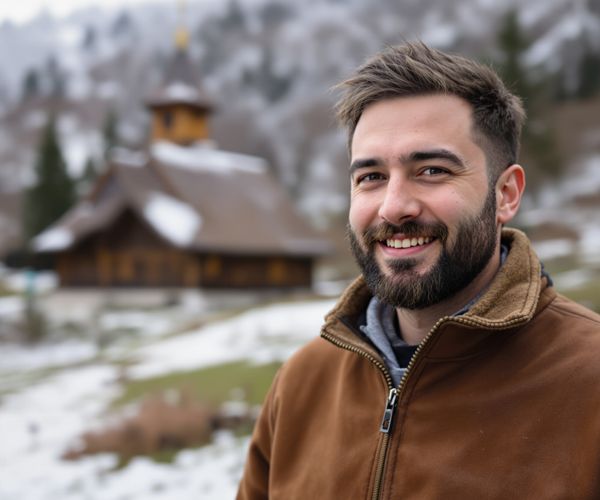
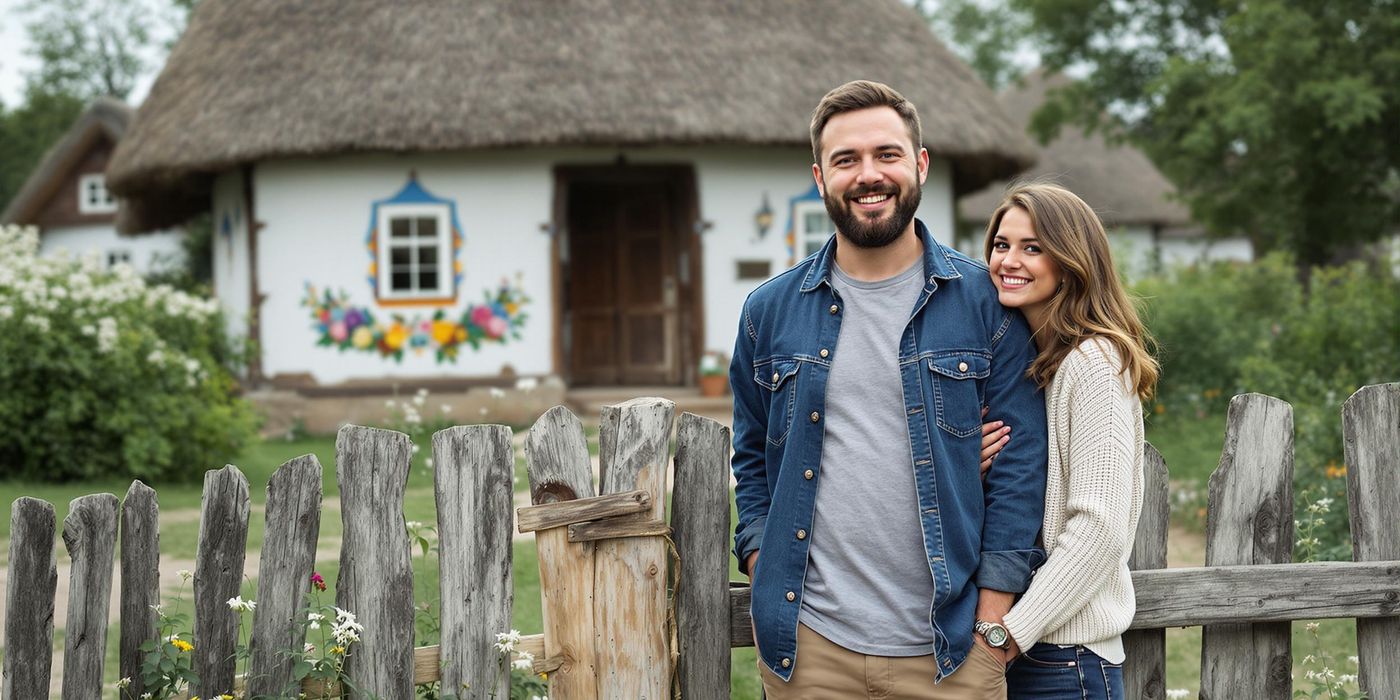
I remember my first trip to a remote village in Ukraine. My Slovak helped a little, but it wasn't enough. The initial awkwardness was palpable. Simple tasks like ordering food became mini-adventures filled with gestures and hopeful smiles. But it was precisely these moments of linguistic struggle that led to the most authentic and memorable interactions. The locals, seeing my genuine effort to communicate, were incredibly patient and welcoming. They shared stories, traditions, and a warmth that transcended any language barrier.
That's the magic of travel, isn't it? It's about pushing past those initial frustrations and embracing the unknown. It's about realizing that communication is so much more than just words; it's about connection, empathy, and a willingness to learn.
Essential Phrases: Your Linguistic Toolkit
Before any trip, I always try to arm myself with a few essential phrases in the local language. It shows respect and a genuine interest in the culture. Plus, it can make your life so much easier!
Here are a few phrases I find invaluable:
- Greetings: Hello (Dobrý deň in Slovak, Guten Tag in German), Goodbye (Dovidenia in Slovak, Auf Wiedersehen in German)
- Polite Expressions: Please (Prosím in Slovak, Bitte in German), Thank you (Ďakujem in Slovak, Danke in German), Excuse me (Prepáčte in Slovak, Entschuldigung in German)
- Practical Questions: Where is the bathroom? (Kde je toaleta? in Slovak, Wo ist die Toilette? in German), How much does this cost? (Koľko to stojí? in Slovak, Wie viel kostet das? in German)
Don't worry too much about perfect pronunciation. Just making the effort to speak the language is often enough to elicit a smile and a helpful response. I remember butchering the tones in Vietnamese, but the locals were always so appreciative of my attempts. They would patiently correct me, and we'd often end up laughing together. It's these shared moments of linguistic imperfection that create lasting memories.
Leveraging Technology: Translation Apps and Tools
In today's world, we have a wealth of technological tools at our fingertips to help bridge communication gaps. Translation apps have become my trusty sidekicks on many adventures.
Here are a few I highly recommend:
- Google Translate: A classic for a reason. It offers text translation, voice translation, and even image translation (just point your camera at a sign!).
- iTranslate: Another great option with a user-friendly interface and offline translation capabilities.
- SayHi Translate: This app focuses on voice translation, making it ideal for conversations.
A few tips for using these apps effectively:
- Download languages for offline use: This is crucial, especially when traveling to remote areas with limited internet access.
- Utilize conversation mode: This feature allows you to have a real-time translated conversation with someone.
While these apps are incredibly helpful, remember that they're not perfect. Translations can sometimes be inaccurate or lack nuance. Always use them as a tool to facilitate communication, not as a replacement for genuine human interaction.
The Power of Non-Verbal Communication
Sometimes, the best way to communicate is without saying a word. Body language, gestures, and facial expressions can speak volumes, especially when you don't share a common language.
However, it's crucial to be mindful of cultural differences in non-verbal communication. What might be considered polite in one culture could be offensive in another. For example, direct eye contact is valued in many Western cultures, but it can be seen as disrespectful in some Asian cultures.
Before traveling to a new country, I always do a little research on local customs and etiquette. It can save you from unintentional faux pas and help you build rapport with the locals.
Another helpful tip is to carry a notepad and pen. Drawing simple diagrams or images can be a surprisingly effective way to communicate, especially when trying to explain complex concepts or ask for directions.
Embracing Mistakes and Connecting with Locals
My biggest piece of advice? Don't be afraid to make mistakes! Language learning is a journey, not a destination. Every stumble, every mispronounced word, is an opportunity to learn and grow.
I've made countless linguistic blunders over the years, and I've learned to embrace them as part of the experience. I once accidentally ordered a plate of snails instead of mushrooms in France. It wasn't exactly what I had in mind, but it made for a funny story and a memorable meal!
The most important thing is to try. Even a simple attempt to speak the local language can go a long way in building connections with people. They'll appreciate your effort, and you might be surprised at how much you can communicate, even with limited proficiency.
As a linguist, I believe that language is more than just a tool for communication; it's a window into another culture, another way of thinking. By embracing the challenges of language barriers, we can open ourselves up to new experiences, forge deeper connections, and gain a greater understanding of the world around us. So, go out there, stumble over your words, laugh at your mistakes, and connect with the world, one phrase at a time.
Practical advice from a linguist on overcoming language barriers while traveling, enriching your experiences, and fostering meaningful connections through essential phrases, translation apps, and non-verbal communication.