
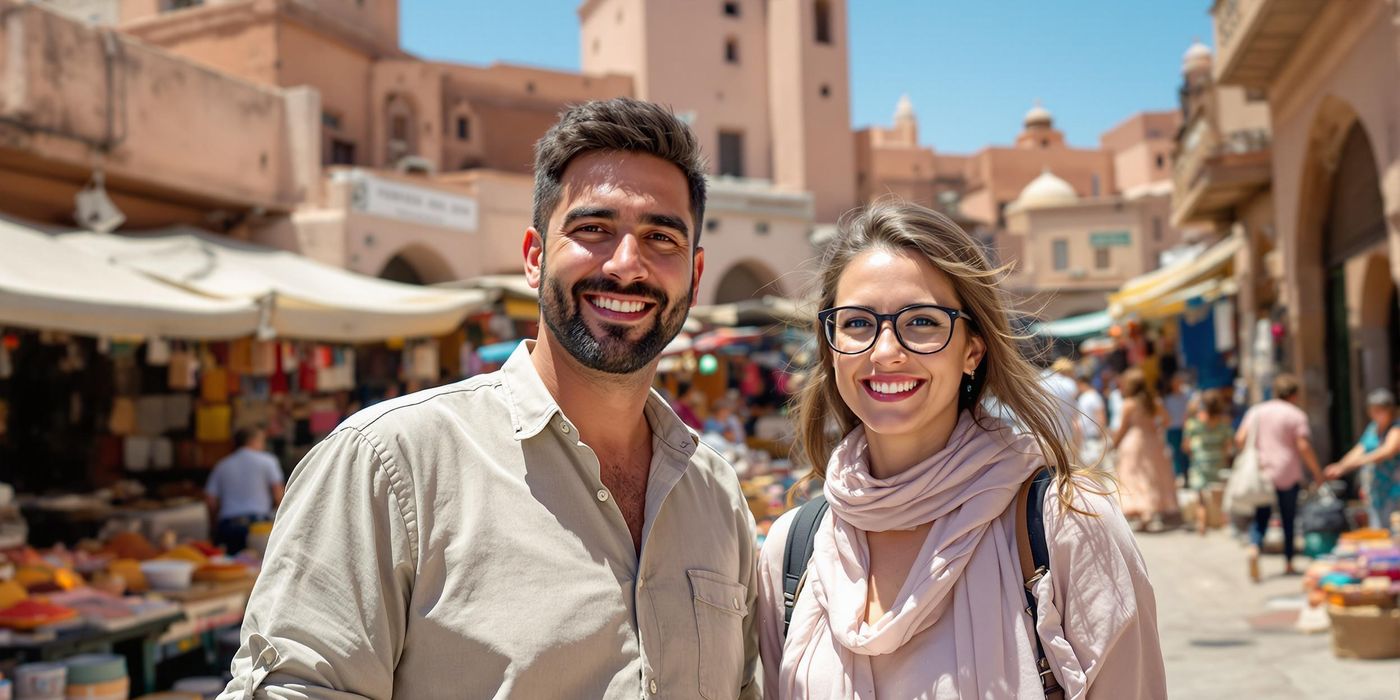
As a linguist with a passion for history and travel, I've learned that the most enriching experiences come from truly connecting with the local culture. It's not just about seeing the sights; it's about understanding the people, their customs, and their way of life. Join me as we explore the art of cultural etiquette, a key to unlocking deeper, more meaningful travel experiences.
Why Cultural Etiquette Matters
Imagine visiting a foreign country and accidentally causing offense, simply because you were unaware of a local custom. It's a traveler's nightmare! Respecting local customs and traditions isn't just polite; it's essential for a positive and immersive travel experience. By practicing cultural awareness, you're not just avoiding misunderstandings; you're opening doors to deeper connections with locals. These connections can lead to unique insights, unforgettable moments, and a richer understanding of the world.
Think of it this way: when you show respect for a culture, the people are more likely to welcome you, share their stories, and offer a glimpse into their lives that you wouldn't otherwise see. It's about building bridges, not walls. Plus, understanding cultural norms can help you navigate unfamiliar situations with confidence and grace.
Mastering Basic Phrases: A Linguistic Bridge
One of the most impactful things you can do is learn a few essential phrases in the local language. It doesn't have to be perfect; even a basic attempt shows respect and a willingness to connect. I've found that even a simple Dobrý deň (Good day in Slovak) can break the ice and bring a smile to someone's face.
Key phrases to learn include greetings (hello, goodbye), expressions of gratitude (thank you), polite interjections (excuse me, please), and basic requests (where is the bathroom, how much does this cost). Language learning apps and phrasebooks are invaluable resources for preparation. Don't be afraid to stumble over the pronunciation; the effort alone is often appreciated. And remember to learn some emergency phrases – you never know when they might come in handy.
I remember once in rural Poland, my attempts to order pierogi in broken Polish led to an invitation to join a family for dinner. It was an experience I'll never forget, all thanks to a few simple phrases.
Decoding Body Language: Beyond Words
Communication isn't just about what you say; it's also about how you say it. Body language varies significantly across cultures, and understanding these non-verbal cues is crucial for avoiding misinterpretations. Eye contact, hand gestures, posture, and personal space all have different meanings in different parts of the world.
For example, in some cultures, direct eye contact is a sign of respect, while in others, it can be seen as aggressive. Similarly, certain hand gestures that are harmless in one country might be offensive in another. The key is to observe the locals and adapt your behavior accordingly. Pay attention to how people interact with each other, and try to mirror their body language. And when in doubt, err on the side of caution.
Facial expressions can also be tricky. A smile, for instance, might not always indicate happiness; it could be a sign of politeness or even discomfort. Being aware of these nuances can help you navigate social situations with greater sensitivity.
Navigating Dress Codes: Respectful Attire
What you wear speaks volumes, especially when you're traveling. Dressing appropriately in various cultural contexts demonstrates respect for local customs and traditions. In many religious sites and conservative areas, modest dressing is expected. This usually means covering your shoulders, knees, and sometimes your head.
Before you travel, do some research on dress code expectations in the places you'll be visiting. Pack versatile clothing items that can be easily adapted for different occasions. A lightweight scarf, for example, can be used to cover your head or shoulders when needed. Consider countries like Morocco or Saudi Arabia, where dressing modestly is not just a suggestion, but a requirement.
I always make sure Katarína and I pack clothes that are appropriate for the places we plan to visit. It's a small gesture, but it shows that we care about respecting the local culture.
Dining Etiquette: A Cultural Feast
Food is often at the heart of a culture, and understanding local dining customs is essential for a smooth and enjoyable experience. Tipping practices, utensil usage, and mealtime etiquette can vary widely from country to country. In some cultures, it's customary to leave a tip, while in others, it's considered rude. In some places, you eat with your hands, while in others, you use specific utensils in a particular order.
Respecting food-related traditions and taboos is also important. For example, in some cultures, it's considered impolite to waste food, while in others, it's customary to leave a small amount on your plate to indicate that you're full. Being aware of dietary restrictions, such as vegetarianism or halal, is also crucial. In Japan, slurping your noodles is a sign of enjoyment, while in some Middle Eastern countries, eating with your left hand is considered unclean.
Dining etiquette is a fascinating aspect of cultural etiquette, and it's one that can greatly enhance your travel experiences. So, do your research, be observant, and be open to trying new things. You might just discover your new favorite dish!
Unlock deeper travel experiences by mastering cultural etiquette. Learn to connect with locals through language, body language, and respectful customs.