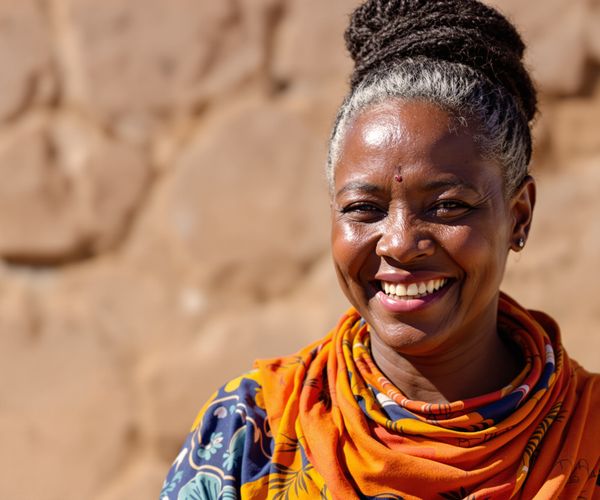
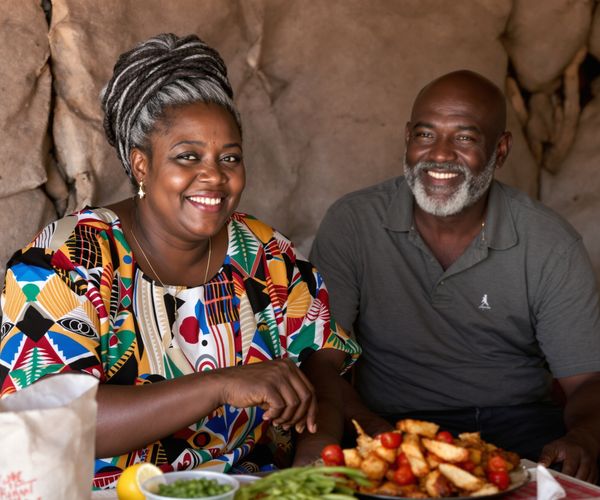
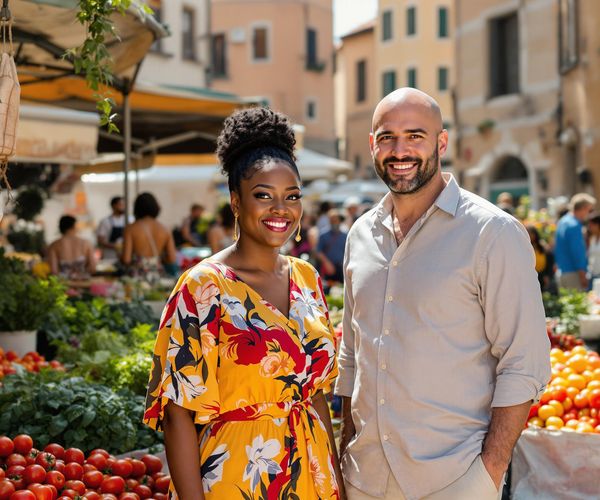
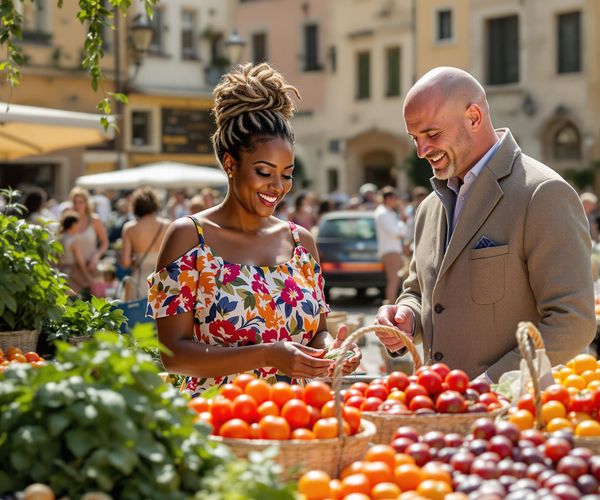
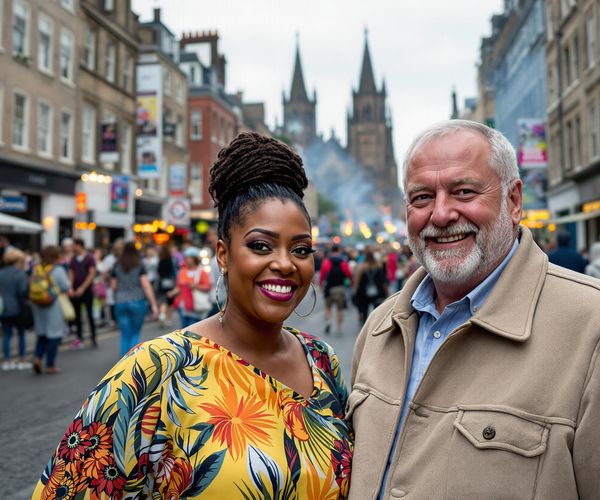
As a Namibian woman living in London, I've always been fascinated by the diverse cultures around the world. My travels, often with my husband David, have been more than just sightseeing; they've been deep dives into understanding the human experience. This is where cultural anthropology comes in – it's not just an academic discipline, but a powerful tool for enriching our journeys and connecting with the world on a deeper level.
What is Cultural Anthropology?
Cultural anthropology is, at its heart, the study of human societies and cultures and how they develop. It's about understanding the intricate web of beliefs, practices, values, and social structures that shape our lives. Unlike other approaches to travel and tourism that might focus on surface-level experiences, cultural anthropology seeks to uncover the underlying meanings and dynamics that give each culture its unique character.
What I find particularly compelling is its interdisciplinary nature. It draws from archaeology to understand past societies, linguistics to decipher the nuances of communication, and socio-cultural studies to analyze contemporary social dynamics. It's a holistic approach that acknowledges the complexity of human life and the interconnectedness of different aspects of culture.
The Anthropological Toolkit for Travelers
For travelers, cultural anthropology offers a valuable toolkit of concepts and perspectives. Key among these are cultural relativism, ethnocentrism, and participant observation.
Cultural relativism is the principle that a person's beliefs, values, and practices should be understood based on that person's own culture, rather than be judged against the criteria of another. It's about suspending judgment and recognizing that there are many valid ways of living and organizing society. This is crucial for fostering understanding and tolerance when encountering unfamiliar cultural practices.
On the other hand, ethnocentrism is the tendency to view one's own culture as superior and to judge other cultures based on its standards. Anthropology teaches us to be aware of our own ethnocentric biases and to actively challenge them in order to approach other cultures with humility and respect.
Participant observation is a research method where the anthropologist immerses themselves in the culture they are studying, participating in daily life and observing social interactions. While travelers may not be able to fully replicate this, we can adopt a similar approach by engaging with local communities, attending cultural events, and striking up conversations with people from different backgrounds. It's important to do this ethically and respectfully, always seeking consent and being mindful of power dynamics.
Enhancing Travel Experiences Through Anthropology
I've found that anthropological insights can profoundly enrich travel experiences. Understanding local customs, social structures, and historical contexts can lead to more meaningful interactions and a deeper appreciation for the places we visit. For example, when David and I visited a remote village in Namibia, our knowledge of the local Herero culture allowed us to engage with the community in a way that was both respectful and authentic. We learned about their traditions, shared stories, and built genuine connections that transcended cultural differences.
Cultural sensitivity is paramount. It's about being aware of the potential impact of our actions on local communities and making conscious choices to minimize harm and maximize benefits. This might involve supporting local businesses, respecting cultural norms, and avoiding activities that exploit or commodify culture.
Practical Tips for the Anthropologically-Minded Traveler
So, how can you become a more anthropologically-minded traveler? Here are a few practical tips:
- Prepare for your trip by researching the destination's culture, history, and social dynamics. Read books, watch documentaries, and explore online resources to gain a basic understanding of the place you're visiting.
- Learn basic phrases in the local language and familiarize yourself with local customs and etiquette. Even a few words can go a long way in showing respect and building rapport.
- Seek out opportunities to engage with local communities through homestays, cultural tours, and volunteer work. These experiences can provide invaluable insights into local life and foster meaningful connections.
- Be open to new experiences and perspectives. Embrace the unexpected and be willing to step outside of your comfort zone. Remember that travel is not just about seeing new places, but also about challenging your own assumptions and expanding your understanding of the world.
Resources for Further Exploration
If you're interested in delving deeper into cultural anthropology, here are a few resources to get you started:
- Books: The Interpretation of Cultures by Clifford Geertz, Coming of Age in Samoa by Margaret Mead, Sapiens: A Brief History of Humankind by Yuval Noah Harari.
- Websites: American Anthropological Association (https://www.americananthro.org/), Royal Anthropological Institute (https://www.therai.org.uk/).
- Documentaries: Human Planet, Tales by Light, Our Planet.
By incorporating cultural anthropology into our travels, we can move beyond being mere tourists and become true cultural ambassadors, fostering understanding, respect, and connection across borders. Happy travels!
Explore how cultural anthropology enhances travel experiences by understanding cultures, customs, and ethical considerations for meaningful interactions.