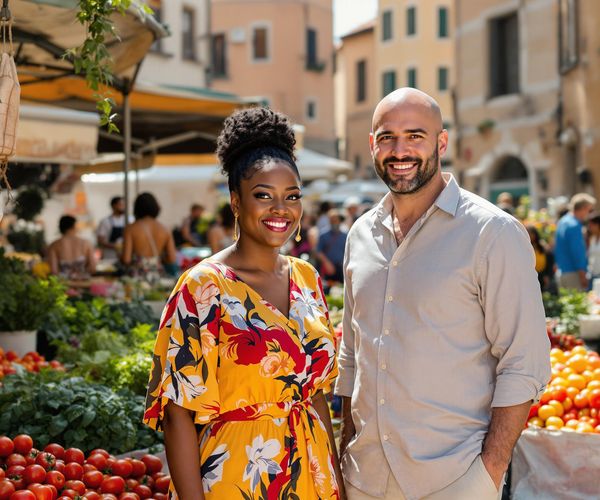
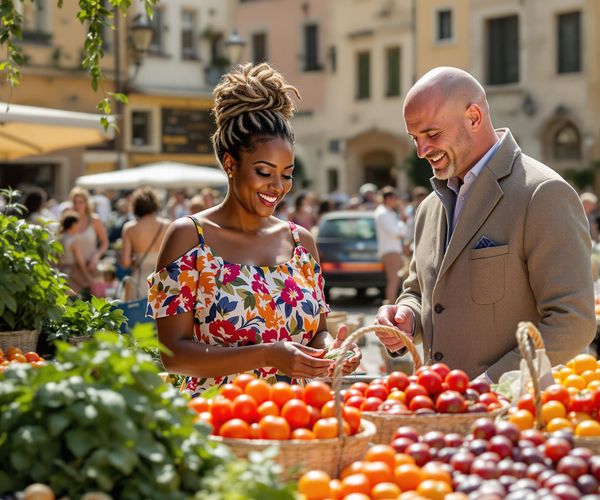
There's a special kind of magic in wandering through a farmers' market, isn't there? The vibrant colors, the bustling energy, the enticing aromas – it's a feast for the senses. As a conscious traveler, I've found that farmers' markets are more than just a place to buy food; they're a window into the heart of a community. From the rolling hills of Tuscany to the vibrant streets of Marrakech, I've gathered some tips to help you navigate these local treasures with confidence and support sustainable practices along the way.
Why Farmers' Markets are a Must-Stop for Conscious Travelers
For me, traveling isn't just about seeing famous landmarks; it's about connecting with the soul of a place. And what better way to do that than through its food? Farmers' markets offer a unique opportunity to connect with local culture on a personal level. You get to meet the people who grow your food, learn about their traditions, and taste the authentic flavors of the region.
Supporting local farmers and businesses is incredibly important. When you shop at a farmers' market, you're directly contributing to the livelihoods of the people who work hard to bring you fresh, quality products. It's a way to ensure that your travel has a positive impact on the communities you visit.
The produce at farmers' markets is often fresher, more seasonal, and even organic than what you'd find in a typical supermarket. You'll discover fruits and vegetables you've never seen before, bursting with flavor and nutrients. Plus, many markets offer unique, locally made products and souvenirs that you won't find anywhere else.
Identifying Authentic Farmers' Markets
Not all markets are created equal. Some may be primarily resellers, offering produce that's been shipped in from afar. So, how do you distinguish a genuine farmers' market from the rest?
First, do a little research to find out what produce is in season locally. This will give you a good idea of what to expect at an authentic market. Look for signs of real farms, such as unbranded packaging and produce that may not look perfectly uniform. After all, nature isn't about perfection, is it?
Don't be afraid to ask vendors about their growing practices and farm operations. A genuine farmer will be proud to share their knowledge and passion with you. If they're hesitant or evasive, that might be a red flag.
Sustainable Shopping Strategies at the Market
As conscious travelers, we want to minimize our impact on the environment. Here are a few simple strategies to make your market experience more sustainable:
Bring your own reusable bags, containers, and beeswax wraps to minimize waste. This is a simple yet effective way to reduce your reliance on single-use plastics.
Plan your purchases to avoid overbuying and food waste. Think about what you'll actually use and resist the temptation to buy everything that looks appealing. It's always a good idea to have a rough meal plan in mind.
Bring cash in small denominations to support vendors and avoid credit card fees. Many smaller farmers may not have the ability to process credit cards, and cash is always appreciated.
Visit the market at different times for different benefits. Early birds get the best selection, while those who arrive later in the day may find some great deals as vendors try to clear out their stock.
Farmers' Market Etiquette for Travelers
To ensure a positive experience for everyone, it's important to be mindful of farmers' market etiquette:
Always ask before sampling produce. It's polite to show respect for the farmer's hard work and avoid touching anything without permission.
Avoid haggling, respecting the prices set by farmers. They've carefully considered their costs and are offering their products at a fair price.
Engage in conversations with vendors to learn about their products and stories. This is a wonderful way to connect with the local community and gain a deeper understanding of the region's food culture.
Be mindful of personal space and avoid touching produce unnecessarily. Remember, everyone is trying to navigate the market, so be respectful of others' space and belongings.
Making the Most of Your Market Haul While Traveling
Now that you've gathered your treasures, how do you make the most of your market haul while traveling?
Incorporate your market finds into road trip meals and snacks. Fresh fruits, vegetables, and cheeses make for delicious and healthy snacks on the go. Pack a cooler to keep your goodies fresh.
Get creative with portable snacks and easy campsite cooking using local goods. Think about simple recipes that highlight the flavors of the region, such as a Caprese salad with fresh tomatoes and mozzarella or a grilled vegetable sandwich with local bread.
Preserve the flavors of your journey through simple recipes or unique finds. Consider making a batch of pesto with local herbs or purchasing a jar of artisanal jam to take home with you as a reminder of your travels.
Store your produce properly while traveling to maintain freshness. Use airtight containers or reusable bags to prevent spoilage. Keep delicate items like berries and greens in a cool, dry place.
Wander through farmers' markets and connect with local culture through food. Support local farmers and businesses while discovering fresh, seasonal produce and unique souvenirs.