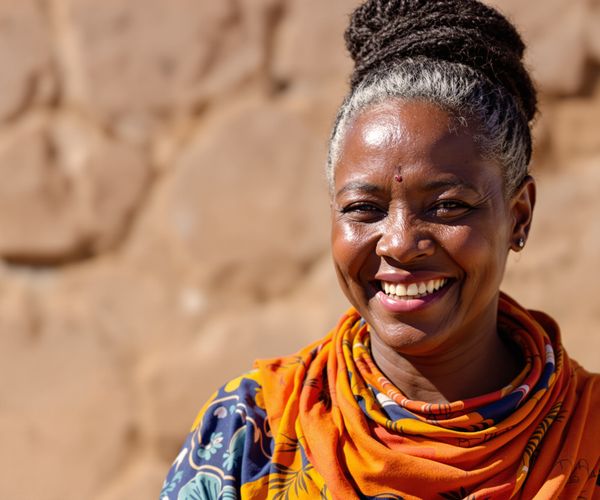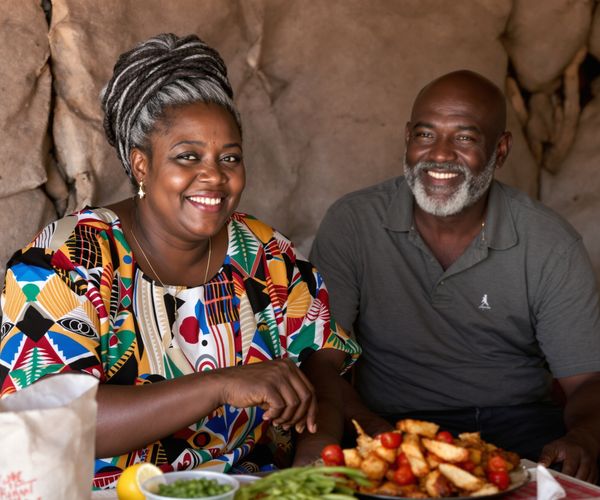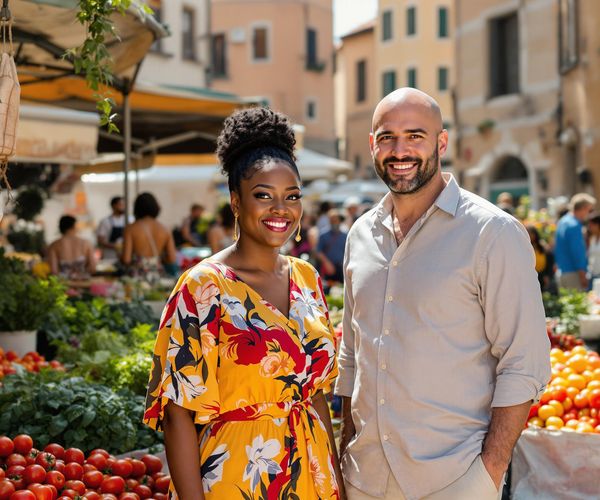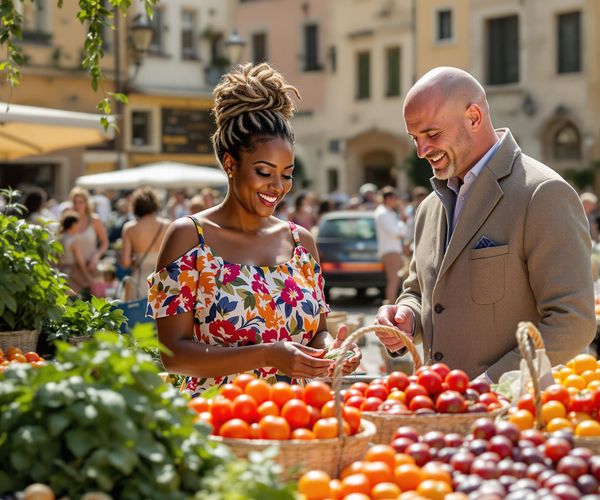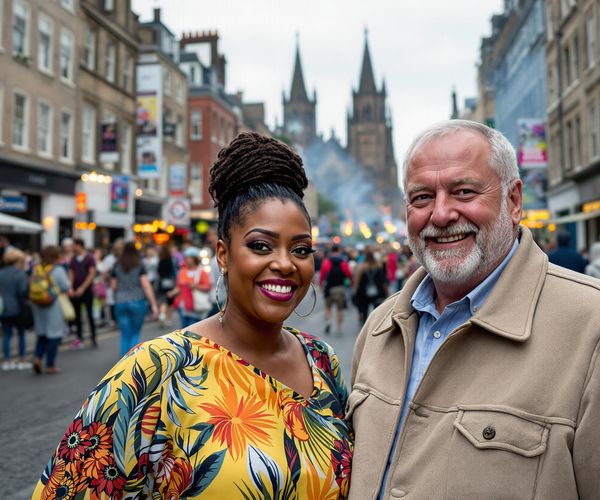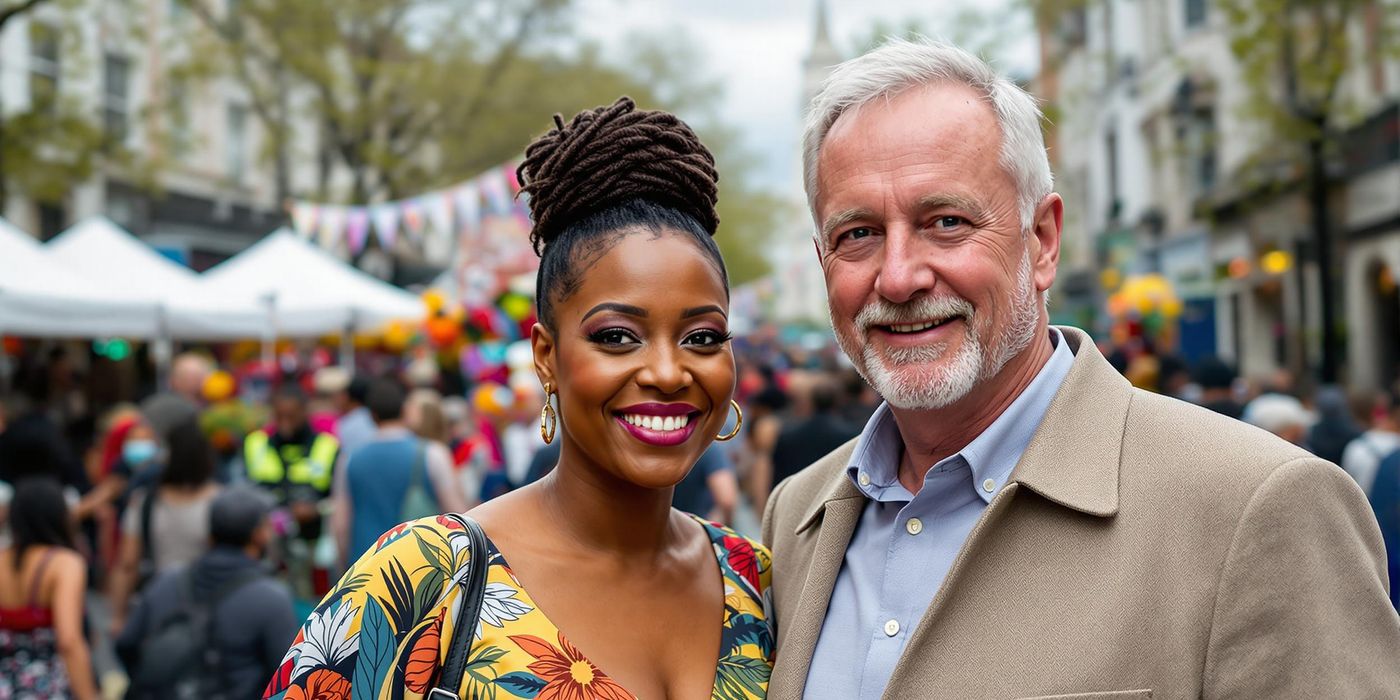
As an immigration advisor living in London, my life is a tapestry woven with threads from both my Namibian heritage and my adopted British home. My husband, David, a retired history teacher, and I share a passion for travel that goes beyond simply seeing new places. We seek to understand the stories, traditions, and values that shape communities around the world. Cultural festivals, in our experience, offer the most vibrant and immersive gateways to understanding these local traditions.
The Significance of Cultural Festivals
What exactly is a cultural festival? It's more than just a celebration; it's a living, breathing archive of a community's identity. These events are where traditions are not just remembered, but actively performed and passed on. Music fills the air, dances tell ancient stories, art bursts with symbolic meaning, and the very language used can echo the voices of generations past. Festivals showcase a culture's soul, making it tangible and accessible.
Think of the Herero people of Namibia, my people. Our culture is rich with vibrant clothing, particularly the ohorokova, the traditional headdress worn by married women that resembles cow horns, symbolizing wealth and respect. While I may not wear it daily here in London, seeing similar traditions celebrated in festivals reminds me of home and the importance of keeping these customs alive. These festivals foster social cohesion, reminding us that we belong to something larger than ourselves. They build bridges of understanding, inviting outsiders to witness and appreciate the unique tapestry of human experience.
Cultural festivals are not static relics; they evolve. They provide a platform for traditions to adapt to contemporary contexts, ensuring their continued relevance in a rapidly changing world. It's a beautiful dance between honoring the past and embracing the future.
Experiencing Cultural Immersion Through Festivals
Attending a cultural festival offers travelers an unparalleled opportunity to step outside the role of a mere observer and become a participant in local life. David and I have had countless enriching experiences at festivals around the world, moments where we connected with locals on a deeply human level.
I recall attending a small harvest festival in a remote village in Italy. We were initially just curious onlookers, but soon we were swept up in the festivities. We learned a few basic Italian phrases, shared a meal with a local family, and even attempted to dance along with the traditional folk music. The language barrier faded away as we connected through shared laughter and genuine curiosity. Those interactions gave us insights into the core beliefs, values, and historical narratives of that culture that no guidebook could ever provide.
Noteworthy Festivals Around the Globe
The world is brimming with incredible cultural festivals, each offering a unique window into a different way of life. Here are just a few that have captured my imagination:
- Diwali in India: The Festival of Lights, celebrating the victory of good over evil. The vibrant colors, delicious sweets, and dazzling fireworks create an unforgettable experience.
- Day of the Dead in Mexico: A celebration of life and remembrance of loved ones who have passed. The colorful altars, sugar skulls, and parades are a testament to the enduring power of family and tradition.
- Songkran in Thailand: The Thai New Year, celebrated with playful water fights symbolizing cleansing and renewal. It's a joyous and refreshing way to welcome the new year.
- Gerewol Festival in Chad: A beauty contest among the Wodaabe men, showcasing their elaborate attire, makeup, and dance skills. It's a fascinating display of cultural pride and courtship rituals.
- Herero Day in Okahandja, Namibia: This festival is a significant event for the Herero people, commemorating their history and culture. It involves parades, traditional attire, and ceremonies that honor ancestors and celebrate Herero identity.
And let's not forget London itself! This city is a melting pot of cultures, and there are countless festivals celebrating the traditions of its diverse communities. From Notting Hill Carnival to Chinese New Year celebrations, London offers a taste of the world without ever leaving home.
Tips for Meaningful and Respectful Participation
If you're planning to attend a cultural festival, it's crucial to do so with respect and a genuine desire to learn. Here's some advice based on my own experiences:
- Do Your Research: Before you go, take the time to learn about the festival's history, customs, and etiquette. Understanding the significance of the event will deepen your appreciation and help you avoid unintentional offenses.
- Dress Appropriately: Pay attention to local customs regarding attire. In some cultures, modest clothing is expected, while in others, specific colors or garments may be worn for ceremonial purposes.
- Be Mindful of Your Behavior: Observe how locals interact and follow their lead. Avoid loud or disruptive behavior that could be disrespectful.
- Show Appreciation: Express your gratitude to the organizers and participants for sharing their culture with you. A simple thank you in the local language can go a long way.
- Support Local Businesses: During the festival, make an effort to support local businesses and artisans. Buy souvenirs directly from the creators, eat at local restaurants, and stay in locally owned accommodations.
- Avoid Cultural Appropriation: Be mindful of the difference between appreciation and appropriation. Avoid wearing traditional clothing or accessories in a way that trivializes or mocks the culture. Instead, focus on learning about the significance of these items and showing genuine respect.
By following these tips, you can ensure that your participation in a cultural festival is both meaningful and respectful, fostering genuine understanding and connection.
The Impact of Festivals on Local Communities
Cultural festivals are not just beneficial for travelers; they also have a profound positive impact on the host communities. These events boost local economies through tourism, job creation, and support for local businesses. They provide a platform for artisans to showcase their skills and sell their products, preserving traditional crafts and creating economic opportunities.
Festivals play a vital role in preserving cultural heritage, promoting community pride, and fostering social cohesion. They bring people together, strengthening bonds and creating a sense of belonging. They can also lead to infrastructure development, as communities invest in improving facilities to accommodate visitors.
Ultimately, cultural festivals are a celebration of what makes us human. They are a reminder of the richness and diversity of our world, and they offer a powerful opportunity to connect with one another on a deeper level. So, the next time you're planning a trip, consider attending a cultural festival. You might just discover a whole new world.
Discover how attending cultural festivals can offer deep insights into local traditions and enhance your travel experience.