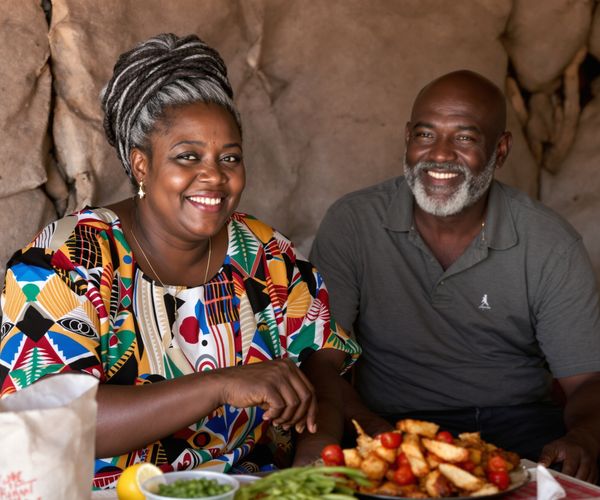
As a Namibian immigrant living in London, I've always been passionate about exploring the world's diverse cultures and cuisines. But as I've traveled more, I've become increasingly aware of the impact our food choices have on the planet and local communities. So, I've made it my mission to explore global cuisine in a way that's both delicious and sustainable. Join me as I share my tips and experiences on how to enjoy the world's flavors responsibly.
The Essence of Sustainable Cuisine
Sustainable cuisine, at its heart, is about finding a balance. It's about enjoying the incredible variety of flavors the world has to offer while being mindful of our environmental and social responsibilities. It's about recognizing that every food choice we make has an impact, whether it's on the carbon footprint of our meals, the depletion of natural resources, or the loss of biodiversity.
Think about it: the food we eat travels vast distances, often grown using methods that harm the environment. Intensive agriculture can lead to soil degradation, water pollution, and the destruction of natural habitats. And the further our food travels, the more greenhouse gases are emitted, contributing to climate change. It’s crucial to acknowledge the interconnectedness of our food systems and their profound effect on local communities. By making informed decisions, we can support practices that nourish both people and the planet.
Embracing Local and Seasonal Ingredients
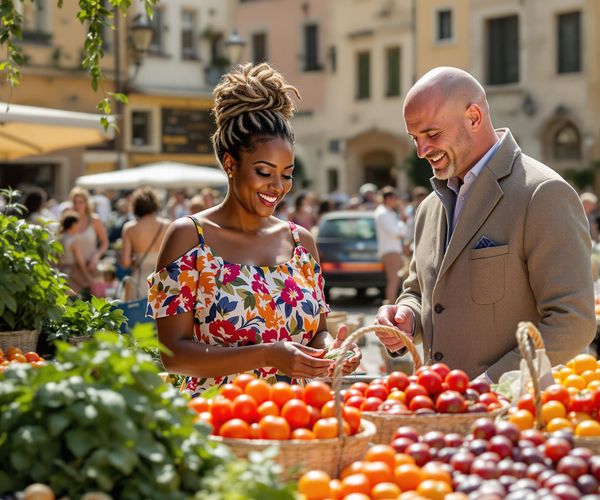
One of the easiest and most rewarding ways to embrace sustainable cuisine is to focus on local and seasonal ingredients. Eating seasonally means choosing fruits, vegetables, and other produce that are harvested at their peak, when they're naturally abundant in your region. This not only ensures fresher, more flavorful food, but also reduces the need for long-distance transportation and energy-intensive storage.
Whenever I travel, I make it a point to visit local markets and farms. It's a fantastic way to connect with local farmers and artisans, discover unique regional products, and learn about traditional food practices. In the UK, for instance, I love visiting farmers' markets for seasonal berries in the summer and root vegetables in the winter. When travelling, take the time to research what produce is in season; consider diverse climates and growing seasons to truly experience the food at its best.
Supporting Small Eateries and Traditional Food Businesses
Another important aspect of sustainable cuisine is supporting local food cultures. This means patronizing small, independent eateries and traditional food businesses that are deeply rooted in their communities. By doing so, we help preserve traditional recipes, culinary heritage, and the livelihoods of local people.
I always try to avoid globalized dining chains when I travel. Instead, I seek out family-run restaurants, street food vendors, and community-led culinary initiatives. These establishments often use locally sourced ingredients, employ local staff, and contribute to the economic vitality of their communities. I’ve seen some wonderful examples of farm-to-table restaurants and food cooperatives that empower local communities, especially women, by providing them with access to markets and resources.
Reducing Food Waste
Food waste is a major environmental problem, contributing to greenhouse gas emissions and wasting valuable resources. As consumers, we can all play a role in reducing food waste by being more mindful of our ordering habits and portion sizes.
When eating out, I try to order only what I can realistically eat, and I'm not afraid to ask for smaller portions or to share dishes with my husband, David. I also make an effort to use leftovers creatively, turning food scraps into delicious new dishes. Vegetable peels can be used to make broth, stale bread can be transformed into croutons, and leftover cooked vegetables can be added to soups or stews. Supporting restaurants with waste reduction programs, such as composting initiatives and partnerships with food banks, is another great way to minimize waste.
Making Environmentally Conscious Choices
Our dietary choices have a significant impact on the environment. Opting for plant-based meals is one of the most effective ways to reduce the environmental impact of our food consumption. Meat and dairy production are resource-intensive, requiring large amounts of land, water, and energy. By exploring vegetarian and vegan options, we can significantly reduce our carbon footprint.
When I do eat seafood, I make sure to choose sustainable options from responsibly managed fisheries. Overfishing is a serious threat to marine ecosystems, so it's important to avoid overfished species and support fisheries that use sustainable fishing practices. Saying no to single-use plastics is another simple but effective way to minimize waste. I always carry a reusable water bottle, utensils, and containers with me when I travel, and I encourage others to do the same.
Experiencing Culinary Tourism Responsibly
Culinary tourism can be a wonderful way to learn about different cultures and support local economies. But it's important to engage in culinary tourism responsibly, ensuring that our activities benefit local communities and minimize environmental impact.
I enjoy participating in cooking classes and food tours led by local community members. These experiences provide valuable insights into local cuisine, traditions, and food production practices. I also make it a point to visit farms and food production sites, where I can learn about sustainable agriculture and food processing practices firsthand. Engaging with local communities, fostering cultural exchange, and supporting local economies through responsible tourism are essential for creating a positive impact.
Sustainable Culinary Practices Around the World
Sustainable culinary practices are not new; they have been around for centuries in many cultures around the world. The Mediterranean Diet, for example, is a plant-forward cuisine that emphasizes fresh, seasonal ingredients and traditional cooking methods. It's a healthy and sustainable way of eating that has been practiced for generations in countries like Greece, Italy, and Spain.
Traditional Japanese cuisine is another excellent example of sustainable culinary practices. It focuses on minimal waste, local sourcing, and respect for natural resources. The Japanese have a long tradition of using every part of the plant or animal, and they are masters of fermentation and preservation techniques.
There are countless other examples of sustainable culinary practices from around the globe, from indigenous food systems to innovative approaches to sustainable dining. By learning from these examples, we can all find ways to make our own culinary experiences more sustainable and responsible.
Discover how to enjoy global cuisine while supporting sustainability. Learn about local ingredients, reducing waste, and responsible culinary tourism.