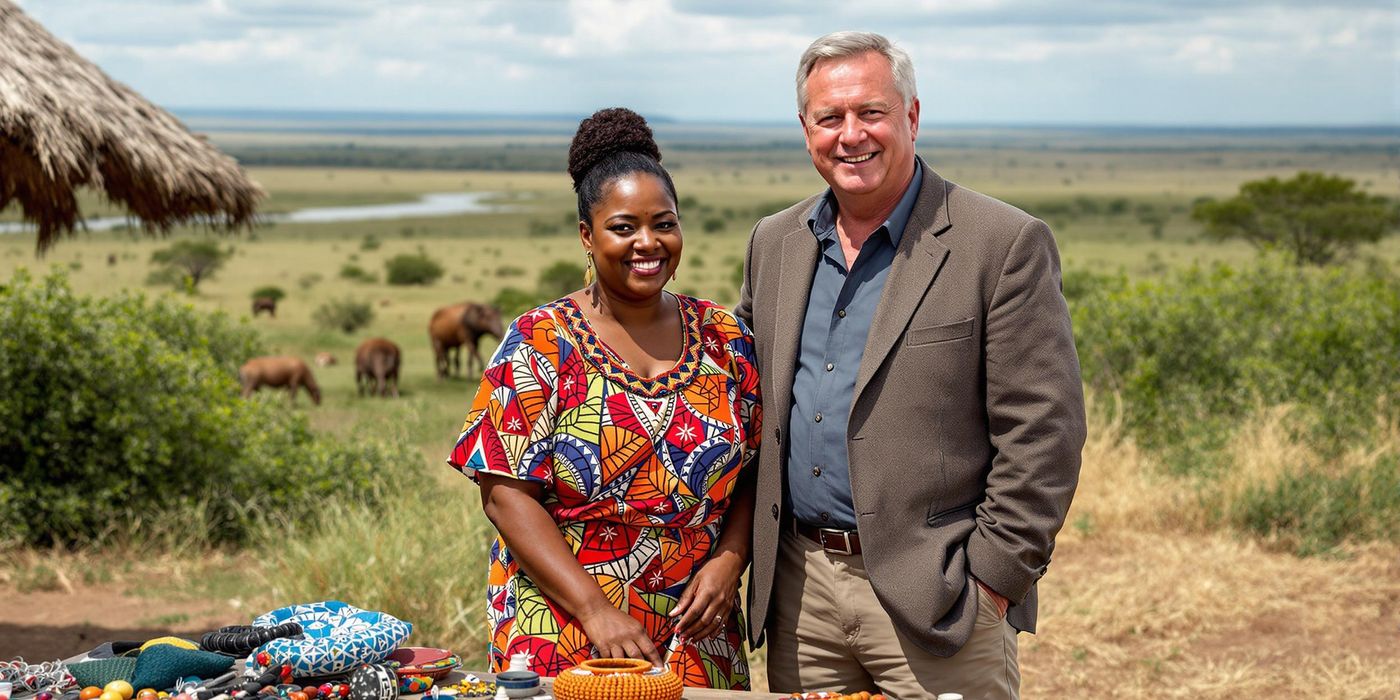
Hello fellow travelers! Loide here, ready to share some thoughts on a topic close to my heart: wildlife conservation. As someone who grew up in Namibia, surrounded by incredible natural beauty, I've always felt a deep connection to the animal kingdom and their habitats. In my travels with David and Aina, I've seen firsthand the impact, both positive and negative, that tourism can have. So, let's delve into how we, as travelers, can make a real difference in protecting our planet's precious wildlife.
The Traveler's Footprint: Understanding the Impact
Travel, at its core, is about experiencing the wonders of our world. But it's vital to acknowledge that our journeys leave a footprint. This footprint can unfortunately harm wildlife and their homes through habitat destruction, pollution, and disturbance of natural behaviors. Conversely, tourism can fuel conservation when done responsibly. I've noticed a significant shift in recent years, especially in 2025, with more travelers actively seeking sustainable and ethical options. People are realizing that a truly enriching travel experience shouldn't come at the expense of the environment or its inhabitants.
Responsible tourism is more than a buzzword; it's a necessity. It's about minimizing our negative impacts and maximizing the positive ones. This means being mindful of our consumption, respecting local ecosystems, and supporting initiatives that prioritize conservation. We need to recognize that every decision we make, from choosing an airline to selecting a souvenir, has consequences.
Choosing Ethical Wildlife Experiences
One of the most impactful ways we can support wildlife conservation is by carefully selecting the experiences we participate in. Ethical wildlife tourism prioritizes the well-being of animals and contributes to their protection. But how do we know what's truly ethical?
First, research is key. Before booking any tour or visiting a sanctuary, take the time to investigate the operator's practices. Look for transparency in their operations and a clear commitment to animal welfare. Certifications and accreditations, such as those offered by Ecotourism Australia, can provide assurance that an organization adheres to sustainability standards. Don't hesitate to ask questions about their conservation efforts and how your money will be used.
It's also important to be aware of red flags. Avoid any experiences that involve direct interaction with wildlife, such as riding elephants, petting tigers, or swimming with dolphins in captivity. These activities often exploit animals for profit and can cause them significant stress and harm. Be wary of unnatural animal behavior, such as animals performing tricks or appearing overly docile. These are often signs of mistreatment or inadequate care. Ensuring ethical wildlife encounters means avoiding support of poor animal welfare, and instead supporting efforts that protect and respect wildlife.
Supporting Conservation Through Tourism
Tourism can be a powerful force for conservation when revenue is channeled directly into protecting ecosystems and endangered species. There are many destinations around the world where tourism dollars are making a tangible difference.
Botswana, for example, is renowned for its high-value, low-impact tourism model, where a portion of tourism revenue is reinvested in conservation efforts. Similarly, Costa Rica has made significant strides in protecting its rainforests and biodiversity through ecotourism initiatives. Kenya's community-based tourism programs empower local communities to protect wildlife and benefit from tourism revenue.
Entrance fees to national parks, the cost of guided tours, and donations to conservation organizations all contribute to protecting vulnerable ecosystems and endangered species. By opting for destinations where tourism directly funds conservation, travelers play an essential role in preserving the planet’s biodiversity. We can choose accommodations that are eco-certified, tours that donate a portion of their profits to conservation, and activities that support local communities involved in protecting wildlife.
Contributing to Local Communities
Supporting local communities is another crucial aspect of responsible travel. When communities benefit from tourism, they are more likely to protect their natural surroundings and the wildlife that inhabits them.
Choosing locally-owned businesses and community-based tourism initiatives ensures that tourism revenue stays within the community. This creates jobs, provides economic opportunities, and gives communities a direct incentive to protect their natural heritage. When local people are stakeholders in conservation, they become its strongest advocates.
It's also important to ensure that local workers receive fair wages and good working conditions. Exploitation of labor undermines conservation efforts and perpetuates inequality. By supporting businesses that prioritize ethical labor practices, we can help create a more just and sustainable tourism industry.
Practical Steps for Responsible Travel
Here are some actionable steps we can all take to minimize our impact and support conservation:
- Reduce waste by bringing reusable water bottles, shopping bags, and toiletries.
- Conserve water and energy by taking shorter showers, turning off lights, and opting for eco-friendly accommodations.
- Respect local cultures by dressing modestly, learning a few basic phrases in the local language, and being mindful of local customs.
- Use public transport or eco-friendly travel options whenever possible. Consider walking, cycling, or taking trains instead of flying or driving.
- Offset your carbon footprint by donating to environmental organizations that support reforestation or renewable energy projects.
- Consider voluntourism and engaging in social projects such as conservation.
By taking these practical steps, we can all become more responsible travelers and contribute to a more sustainable future for wildlife and the planet.
Discover how travelers can support wildlife conservation efforts. Learn tips on ethical wildlife tours and contributing to conservation projects for a sustainable travel experience.