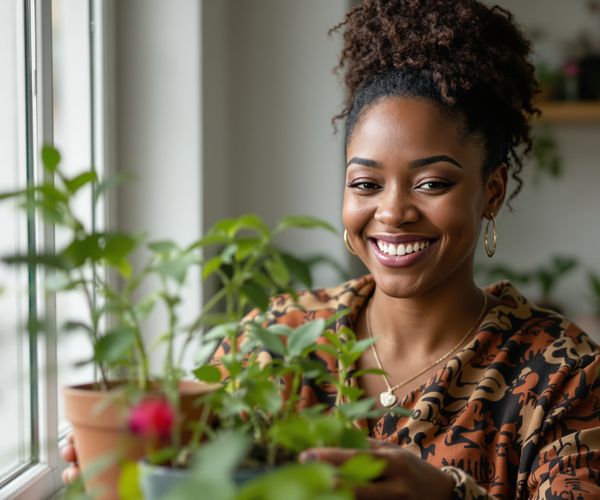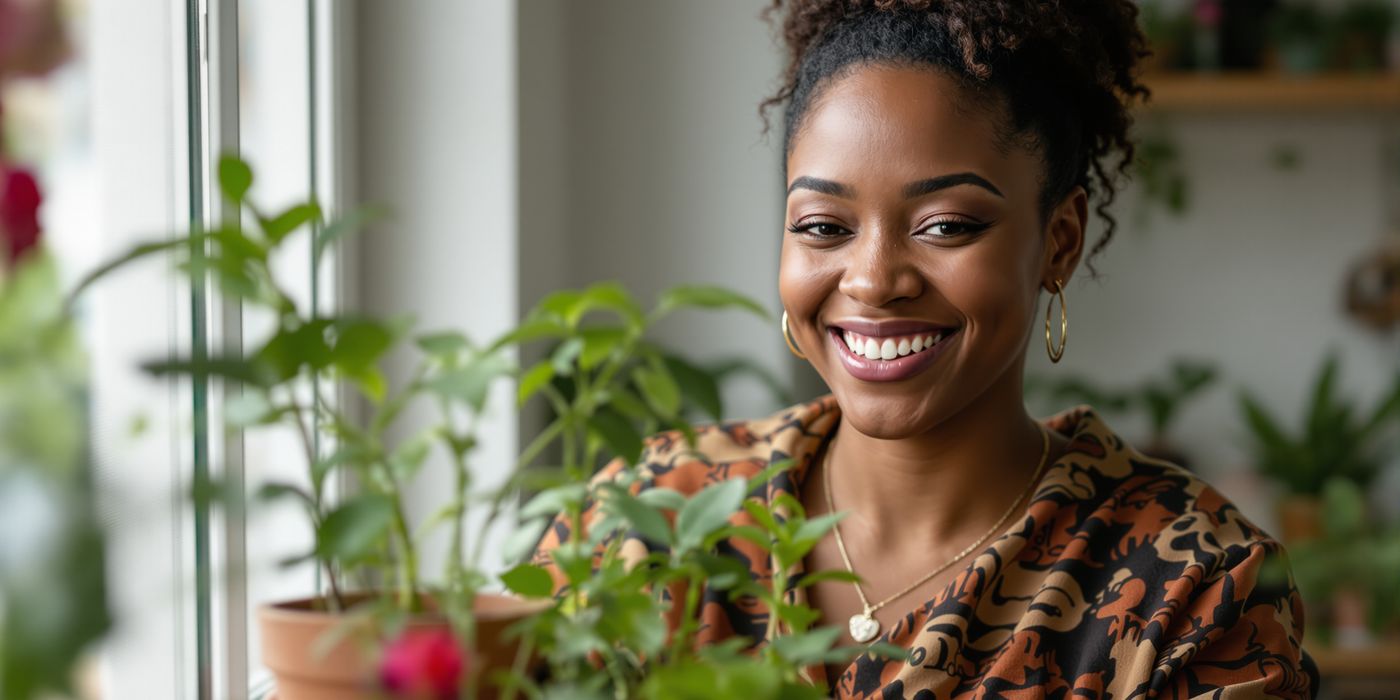
The scent of cinnamon and frangipani always takes me back to Anse Boileau, my home in the Seychelles. Though I now live in Bonn, Germany, a piece of my island paradise thrives within the walls of my apartment. My journey into indoor gardening began as a simple longing for the familiar, a way to reconnect with my roots amidst the charming, yet different, landscapes of Germany.
A Seychellois Heart in a German Home: My Indoor Garden Journey
Leaving the Seychelles was bittersweet. I was excited to explore a new culture, but I deeply missed the vibrant greenery, the fragrant flowers, and the overall sense of tranquility that permeated island life. The grey skies of Bonn were a stark contrast to the sunny shores of Anse Boileau. I needed to bring a piece of home with me, and what better way than through plants?
My indoor garden started small – a single hibiscus plant, a vibrant splash of color against the muted tones of my living room. It was a reminder of the fiery sunsets over the Indian Ocean. As time went on, my collection grew. Each plant represented a memory, a connection to my past. Gardening became my therapy, a way to nurture not just the plants, but also my soul.
Sourcing the Seeds of Adventure: Finding Exotic Plants
The quest for exotic plants can be an adventure in itself! Finding seeds and seedlings from the Seychelles in Germany wasn't always easy. It required patience, research, and a willingness to experiment.
I quickly learned the importance of reputable online sources. There are several specialized nurseries that offer a wide variety of exotic plants and seeds. However, it's crucial to do your homework. Look for vendors with positive reviews, clear information about plant origins, and sustainable sourcing practices. Local nurseries can also be a treasure trove, especially those that cater to international communities. Don't be afraid to ask questions and seek advice from experienced gardeners!
Before you order anything, always check the import regulations for both Germany and the country of origin. Some plants may be restricted or require special permits. It's better to be safe than sorry – you don't want your precious plants confiscated at customs!
Creole Green Thumb: Essential Tips for Cultivating Exotic Plants Indoors
Growing exotic plants indoors requires a bit of know-how, but it's definitely achievable, even for beginners. The key is to understand the specific needs of each plant and create an environment that mimics its natural habitat as closely as possible.
Soil is crucial. Most exotic plants prefer well-draining soil that's rich in organic matter. I often use a mix of potting soil, perlite, and coconut coir to ensure proper drainage and aeration. Watering techniques also vary depending on the plant. Some plants, like orchids, prefer to dry out completely between waterings, while others need consistently moist soil. Always research the specific watering needs of your plants.
Lighting is another important factor. Most tropical plants need bright, indirect light. If you don't have enough natural light, consider using grow lights to supplement. Some of my favorite indoor plants include orchids (especially the Vandas, which remind me of the Seychelles), hibiscus for that pop of tropical color, and various succulents that are relatively low-maintenance.
One common mistake to avoid is overwatering. It's always better to underwater than overwater, as soggy soil can lead to root rot. Another tip is to fertilize your plants regularly with a balanced fertilizer. And don't forget to prune your plants to encourage growth and maintain their shape!
More Than Just Decoration: The Cultural Significance of My Plants
My plants are more than just decorative items; they are living symbols of my heritage. Each plant carries a story, a connection to the traditions and culture of the Seychelles.
For example, the hibiscus flower is a national symbol of the Seychelles, representing beauty and resilience. In Seychellois culture, hibiscus flowers are often used in traditional medicine and are also given as gifts to show love and appreciation. The scent of cinnamon, another plant I grow indoors, evokes memories of my grandmother's kitchen, where she would use it to make delicious Creole dishes. Even the simple palm tree reminds me of the swaying palms along the beaches of Anse Boileau.
These plants serve as a constant reminder of home, a way to keep my culture alive in my new surroundings. They connect me to my family, my community, and my identity as a Seychellois woman.
Sustainable Gardening: Respecting the Origins
When growing exotic plants, it's crucial to practice sustainable gardening. This means using eco-friendly products, avoiding harmful pesticides, and being mindful of the environmental impact of your gardening practices.
I always choose organic fertilizers and pest control methods whenever possible. I also try to source my plants from nurseries that prioritize sustainable practices. It's important to support businesses that are committed to protecting the environment and preserving biodiversity.
Responsible gardening also means being aware of the origins of your plants. Avoid purchasing plants that have been illegally harvested from the wild, as this can contribute to habitat destruction and species extinction. By making conscious choices, we can ensure that our gardening practices are both enjoyable and environmentally responsible.
Bring a piece of the world into your home by growing exotic plants inspired by your travels. Discover how to cultivate your own global garden, no matter where you live.