Zot zoli! As someone who grew up on the serene islands of the Seychelles, I've always appreciated the beauty of taking things slow. Life moved at a different pace back home in Anse Boileau, and that’s something I’ve tried to carry with me as I explore the world. Now living in Bonn, Germany, with my wonderful husband, Hans, I find myself constantly seeking ways to infuse that island spirit into my travels. Join me as I delve into the concept of slow travel, a way to truly savor each moment and connect deeply with the places we visit.
The Essence of Slow Travel
Slow travel is more than just a trend; it's a philosophy. It's about choosing intentionality over itinerary, connection over checklist. Think of it as the antithesis of conventional tourism, where the goal is often to see as many sights as possible in the shortest amount of time. Instead, slow travel encourages you to immerse yourself fully in a destination, to truly understand its culture, and to form meaningful connections with its people.
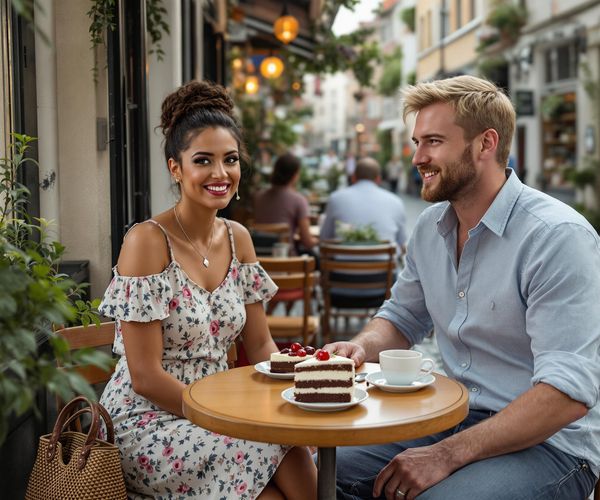
For me, it's about embracing the unexpected detours and finding joy in the simple moments. It's about sipping coffee at a local café, chatting with the barista, and watching the world go by. It’s about wandering through markets, not just to buy souvenirs, but to soak in the atmosphere and taste the local flavors. It’s a mindful approach that transforms travel from a superficial experience into a profound journey of discovery.
One of the most significant benefits of slow travel is the opportunity for deeper cultural immersion. When you slow down, you have the chance to interact with locals on a more personal level, to learn about their traditions, and to understand their way of life. This not only enriches your own travel experience but also fosters a sense of empathy and connection with the global community.
Moreover, slow travel often has a reduced environmental impact. By choosing sustainable transportation options and supporting local businesses, you can minimize your carbon footprint and contribute to the preservation of the destinations you visit. It’s about being a responsible traveler, respecting the environment, and leaving a positive impact wherever you go.
Embracing Extended Stays
One of the key strategies for practicing slow travel is embracing extended stays. Instead of flitting from one city to another, consider spending a week, a month, or even longer in a single location. This allows you to truly settle in, to discover the hidden gems that most tourists miss, and to develop a deeper understanding of the local culture.
Hans and I experienced this firsthand during our three-month stay in Kyoto, Japan. We rented a small apartment in a quiet neighborhood and quickly became part of the community. We learned to navigate the local bus system, discovered our favorite ramen shop, and even started taking Japanese cooking classes. By the end of our stay, we felt like we were saying goodbye to old friends, not just a place we had visited.
Planning longer trips requires a bit more preparation, but the rewards are well worth the effort. Start by researching suitable accommodations, such as apartments or extended-stay hotels. These often offer more space and amenities than traditional hotels, allowing you to feel more at home. Look for options that are located in residential areas, away from the tourist crowds. This will give you a more authentic glimpse into local life.
Don't be afraid to venture off the beaten path. Talk to locals, ask for recommendations, and explore the lesser-known corners of the city. You might stumble upon a hidden park, a charming café, or a vibrant street market that you would have otherwise missed. These are the moments that make slow travel so special.
Immersing in Local Culture
Cultural immersion is at the heart of slow travel. It's about actively engaging with the local community and seeking out authentic experiences that go beyond the typical tourist attractions. This can involve staying in locally-owned accommodations, dining in local restaurants, and participating in local events and festivals.
When Hans and I visited Oaxaca, Mexico, we made a point of staying in a family-run guesthouse. Our hosts welcomed us with open arms, sharing stories about their family history and their traditions. They recommended their favorite local restaurants, took us to a nearby village to see a traditional weaving demonstration, and even invited us to join them for a family celebration. These interactions gave us a much deeper appreciation for Oaxacan culture than we could have ever gained from a guidebook.
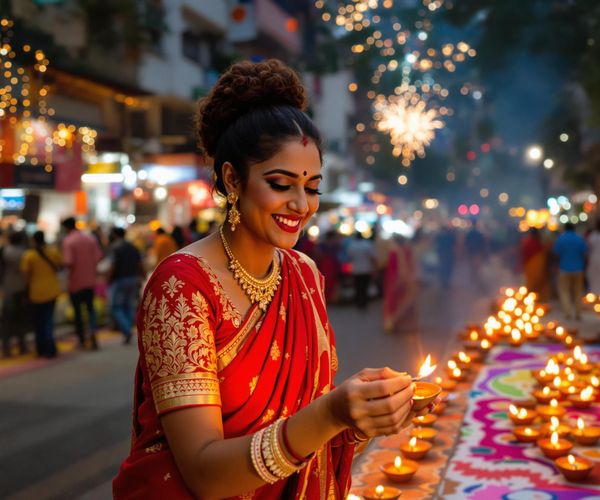
One of the best ways to connect with local communities is to participate in local events and festivals. Whether it's a religious celebration, a harvest festival, or a music concert, these events offer a glimpse into the heart and soul of a place. Don't be afraid to join in the fun, even if you don't fully understand what's going on. The locals will appreciate your willingness to participate, and you're sure to create some unforgettable memories.
Another great way to immerse yourself in local culture is to learn a few basic phrases in the local language. Even a simple hello or thank you can go a long way in building rapport with locals. It shows that you're making an effort to connect with them on their terms, and they'll be more likely to open up to you.
Mindful Transportation
The way you get around a place can have a significant impact on your travel experience. Instead of rushing from one destination to another by plane, consider opting for more sustainable and mindful transportation options. Train travel, cycling, and walking are all excellent ways to experience the landscape and connect with the environment.
Hans and I love taking train trips through Europe. There's something magical about watching the scenery unfold outside your window, as you pass through rolling hills, charming villages, and bustling cities. Train travel also gives you the opportunity to meet locals and fellow travelers, sharing stories and experiences along the way.
Cycling is another fantastic way to explore a destination at your own pace. Many cities now have bike-sharing programs, making it easy to rent a bike and explore the local neighborhoods. You can also find guided bike tours that will take you to the most interesting sights and hidden gems.
Walking is perhaps the most mindful form of transportation. It allows you to slow down, observe your surroundings, and truly appreciate the details. Take a stroll through a local park, wander along a riverbank, or explore a historic neighborhood on foot. You'll be amazed at what you discover when you take the time to slow down and pay attention.
When planning your trips, consider using public transportation whenever possible. Not only is it more environmentally friendly, but it also gives you a glimpse into the daily life of the local community. Riding the bus or the subway can be an adventure in itself, as you navigate the local customs and observe the interactions between passengers.
Savoring the Journey
Ultimately, slow travel is about savoring the journey, not just rushing to the destination. It's about being present in the moment, engaging with your surroundings, and being open to spontaneous experiences. It's about disconnecting from technology and connecting with the world around you.
One of the best ways to savor the journey is to disconnect from your phone and immerse yourself in your surroundings. Put away your camera, silence your notifications, and simply observe. Notice the colors, the sounds, the smells, and the textures. Engage all of your senses and allow yourself to be fully present in the moment.
Be open to spontaneous experiences. Say yes to unexpected invitations, take detours down unknown streets, and strike up conversations with strangers. You never know what hidden gems you might discover or what meaningful connections you might make.
During a trip to Ireland, Hans and I stumbled upon a small pub in a remote village. We were drawn in by the sound of traditional Irish music, and we ended up spending the entire evening chatting with the locals, singing along to the songs, and learning about their history. It was an unplanned, spontaneous experience that became one of the highlights of our trip.
Slow travel is not about ticking off a list of must-see attractions; it's about creating meaningful memories and forging lasting connections. It's about embracing the unexpected, savoring the journey, and allowing yourself to be transformed by the experience. So, the next time you plan a trip, consider slowing down and embracing the practice of mindful travel. You might be surprised at what you discover.
Explore the concept of slow travel and its benefits, influenced by Marie's adaptable and curious nature. Discuss strategies for embracing slow travel, including extended stays and local immersion. Use Marie's travel experiences to provide context and examples.