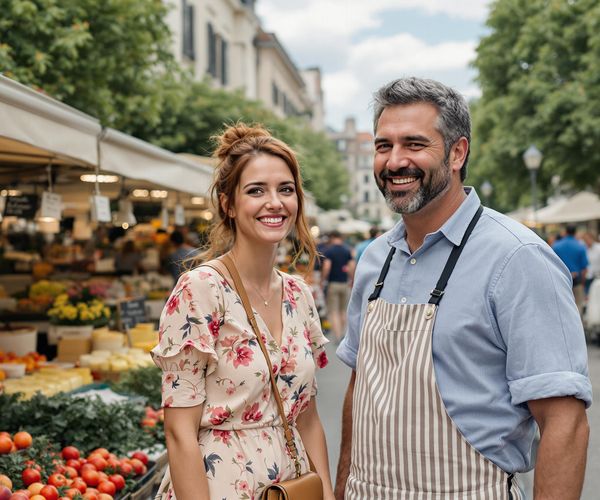
Bonjour, globetrotters! Mary here, your friendly neighborhood translator and travel enthusiast. Having spent the last few years soaking up the culture here in Lyon, France, with my wonderful husband, Jean-Pierre, I've learned a thing or two about truly immersing yourself in a new environment. It's more than just ticking off tourist attractions; it's about connecting with the heart and soul of a place, respecting its traditions, and creating meaningful experiences. So, grab a café au lait, and let's dive into the art of cultural immersion!
Understanding Cultural Immersion
Cultural immersion, at its core, is about more than just visiting a place; it's about experiencing it. It's about stepping outside your comfort zone and engaging with the local way of life. As someone with a background in cultural anthropology, I see it as an opportunity to understand different perspectives and broaden our own worldview. It’s about respecting traditions, appreciating differences, and building bridges between cultures. Think of it as becoming a temporary local, rather than just a fleeting tourist.
Why Cultural Immersion Matters
In our increasingly interconnected world, cultural immersion is more important than ever. It fosters empathy, reduces prejudice, and promotes understanding. By immersing ourselves in different cultures, we challenge our assumptions, expand our horizons, and develop a deeper appreciation for the diversity of human experience. Plus, let's be honest, it makes for a much richer and more memorable travel experience!
Learning About Local Traditions
Before you even pack your bags, take some time to research the traditions of the place you're visiting. Read books, watch documentaries, and explore online resources. What are the local customs? What are the important holidays and festivals? What are the social norms and etiquette? Understanding these things will not only enrich your experience but also help you avoid unintentional cultural faux pas.
- For example, in Japan, it's customary to remove your shoes before entering someone's home. Knowing this simple gesture shows respect and sensitivity.
- In many parts of the world, haggling in markets is a common practice. However, it's important to do so respectfully and with a sense of humor.
- Being aware of local superstitions can also be fascinating. In some cultures, certain colors or numbers are considered unlucky, while others are seen as symbols of good fortune.
Participating in Local Events
One of the best ways to immerse yourself in a culture is to participate in local events. Attend festivals, concerts, markets, and community gatherings. These events offer a unique opportunity to experience the culture firsthand and connect with locals. Don't be afraid to step outside your comfort zone and try something new!
- In Lyon, I love visiting the local markets, like the Marché de la Croix-Rousse, where I can sample regional specialties, chat with local vendors, and soak up the vibrant atmosphere.
- During the Fête des Lumières, the city transforms into a magical wonderland of light installations. It's an incredible experience to wander through the streets, marvel at the artistry, and celebrate with the community.
- Many cities also offer free walking tours led by locals. These tours can be a great way to learn about the history and culture of the area from a knowledgeable perspective.
Respecting Cultural Norms
Respect is paramount when it comes to cultural immersion. Be mindful of local customs, traditions, and etiquette. Dress appropriately, be aware of your body language, and avoid making assumptions or generalizations. Remember that you are a guest in someone else's home, and it's important to act accordingly.
- In some cultures, it's considered impolite to make direct eye contact, while in others, it's a sign of respect. Researching these nuances can help you navigate social interactions more smoothly.
- Be mindful of noise levels, especially in residential areas. Avoid loud conversations or music, particularly late at night.
- When visiting religious sites, dress modestly and follow any specific guidelines or restrictions. This shows respect for the local faith and traditions.
Learning the Language
Even a few basic phrases in the local language can go a long way in showing respect and building connections. Learning how to say hello, thank you, and please can make a big difference in your interactions with locals. Plus, it's a fun and rewarding way to challenge yourself!
- There are many free language learning apps and websites available, such as Duolingo and Memrise.
- Consider taking a language class or hiring a tutor. This can provide a more structured and immersive learning experience.
- Don't be afraid to practice your language skills, even if you make mistakes. Locals will appreciate the effort, and it's a great way to learn and improve.
Engaging with Locals
One of the most rewarding aspects of cultural immersion is the opportunity to connect with locals. Strike up conversations, ask questions, and listen to their stories. You'll be amazed at what you can learn from these interactions. Remember to be open-minded, respectful, and genuinely curious.
- Visit local cafes and restaurants, and chat with the staff. They can often provide valuable insights into the local culture and offer recommendations for hidden gems.
- Participate in local volunteer opportunities. This is a great way to give back to the community and connect with people who share your values.
- Attend local events and workshops. This can be a fun and engaging way to learn new skills and meet like-minded individuals.
Avoiding Cultural Faux Pas
We all make mistakes, especially when we're navigating unfamiliar cultural terrain. However, being aware of potential cultural faux pas can help you avoid embarrassing or offensive situations. Do your research, be observant, and don't be afraid to ask questions.
- In some cultures, it's considered rude to eat with your left hand. Be mindful of which hand you use for eating and other gestures.
- Avoid discussing sensitive topics, such as politics or religion, unless you are very familiar with the local culture and customs.
- Be aware of personal space. In some cultures, people tend to stand closer together than in others. Adjust your distance accordingly.
Being Open-Minded and Adaptable
Cultural immersion requires a willingness to be open-minded and adaptable. Things may not always go as planned, and you may encounter unexpected challenges. Embrace the unknown, be flexible, and learn to roll with the punches. Remember that the most memorable travel experiences often come from the unexpected moments.
- If you encounter a situation that makes you uncomfortable, take a deep breath and try to understand the other person's perspective.
- Be willing to try new things, even if they seem strange or unfamiliar. You might just discover a new favorite food, activity, or tradition.
- Remember that cultural immersion is a journey, not a destination. There will be ups and downs, but the rewards are well worth the effort.
Documenting Your Experiences
Keep a journal, take photos, or create videos to document your cultural immersion experiences. This will not only help you remember your adventures but also allow you to share them with others. Who knows, you might even inspire someone else to embark on their own cultural journey!
- Write about your thoughts, feelings, and observations. What did you learn? What surprised you? What challenged you?
- Capture the sights, sounds, and smells of your surroundings. Take photos and videos that tell a story.
- Share your experiences on social media, but be mindful of cultural sensitivities. Avoid posting anything that could be considered disrespectful or offensive.
Conclusion
Cultural immersion is a transformative experience that can enrich your life in countless ways. By learning about local traditions, participating in local events, respecting cultural norms, and engaging with locals, you can create meaningful connections and broaden your understanding of the world. So, go out there, explore, and immerse yourself in the beauty and diversity of our global community!
Learn how to immerse yourself in local cultures by learning about traditions, participating in local events, and respecting cultural norms. Engage respectfully and avoid faux pas.