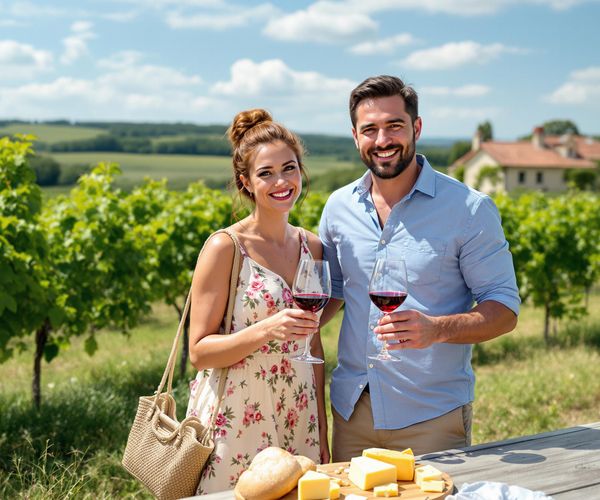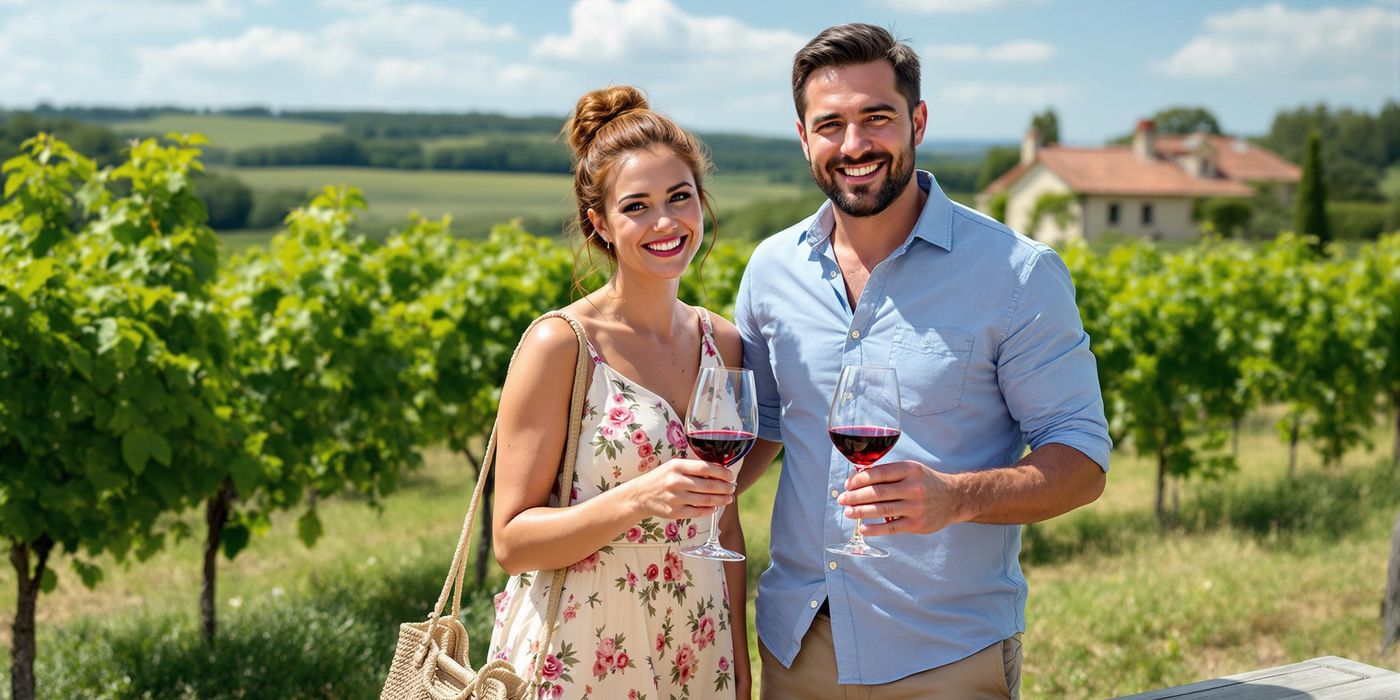
Bonjour, wine enthusiasts! Mary here, ready to uncork a topic close to my heart – wine tasting. Living in Lyon, France, I'm surrounded by incredible vineyards, and I've had my fair share of swirling, sniffing, and sipping. But I remember my first wine tasting experience – a mix of excitement and utter cluelessness! So, I've put together this beginner's guide to help you navigate your first wine tasting with confidence and, most importantly, enjoyment.
Why Wine Tasting?
Wine tasting is more than just drinking wine; it's an experience.
It's about engaging your senses, learning about different grape varietals, and understanding the nuances of winemaking.
For me, it combines personal enjoyment with cultural exploration.
Each glass tells a story of the land, the climate, and the people who crafted it. Plus, let's be honest, it's a fantastic way to spend an afternoon!
Preparing for Your First Wine Tasting
A little preparation goes a long way in enhancing your wine tasting experience.
- Do your research: Before you go, check out the winery's website or social media pages.
What types of wines do they specialize in? What's the history of the estate? Knowing a bit beforehand will make the experience more meaningful. Also, look up the wine region. - Stay hydrated and snack smart: Wine tasting can be thirsty work! Drink plenty of water before and during the tasting. A light snack, like bread or crackers, can also help cleanse your palate between wines.
- Skip the strong scents: Perfumes, colognes, and heavily scented lotions can interfere with your ability to perceive the delicate aromas of the wine. Keep it natural!
- Dress comfortably (but smartly): There's no need for formal attire, but smart casual is generally a good choice. Think comfortable shoes and clothes that won't distract from the experience.
- Take notes: Whether you use a notebook or a wine tasting app, jotting down your impressions of each wine can be helpful. What did you smell? What flavors did you detect? Did you like it?
The Senses Unleashed: A Step-by-Step Guide
Now for the fun part! Here's how to approach each wine:
- Sight: Hold the glass up against a white background (a napkin or tablecloth works).
Observe the wine's color and clarity. Is it deep red, pale gold, or something in between? Is it clear or cloudy? - Smell: Swirl the wine gently to release its aromas. Then, stick your nose in the glass and take a good sniff. What do you smell?
Fruity notes like berries or citrus? Floral hints like lavender or rose? Earthy aromas like mushrooms or leather? - Taste: Take a small sip and let the wine coat your palate. Pay attention to the initial flavors, as well as the texture and weight of the wine. Is it sweet, acidic, or tannic? What flavors linger on your tongue?
- Finish: The finish is the aftertaste – how long the flavors linger after you swallow. A long, pleasant finish is generally a sign of a well-made wine.
Wine Tasting Etiquette: Dos and Don'ts
A few simple etiquette tips will ensure a smooth and enjoyable experience for everyone:
- Hold the glass correctly: Always hold the glass by the stem to avoid warming the wine with your hand.
- Pace yourself: Wine tasting is a marathon, not a sprint. Take small sips and don't feel pressured to finish every pour.
- Use the spittoon: If you're planning on tasting several wines, don't be afraid to use the spittoon. It's perfectly acceptable and will help you avoid overindulging.
- Be respectful: Be mindful of the winery staff and other tasters. Avoid loud conversations or disruptive behavior.
- Skip the strong fragrances (again!): It's worth repeating – strong perfumes and colognes can ruin the experience for everyone.
Decoding Wine Terminology
Wine lingo can be intimidating, but don't let it scare you! Here are a few common terms to get you started:
- Acidity: The tartness or sourness of the wine.
- Tannins: Compounds that create a drying sensation in your mouth, often found in red wines.
- Body: The weight or fullness of the wine in your mouth (light, medium, or full-bodied).
- Finish: The lingering taste after you swallow the wine.
- Bouquet: The complex aromas of the wine.
- Fruit-forward: A wine with prominent fruit flavors.
- Earthy: A wine with aromas of soil, mushrooms, or other earthy elements.
- Oaky: A wine that has been aged in oak barrels, imparting flavors of vanilla, spice, or toast.
- Dry: A wine with little or no residual sugar.
- Sweet: A wine with noticeable residual sugar.
Exploring Wine Regions: Where to Begin?
Ready to hit the road? Here are a few beginner-friendly wine regions to consider:
- France (Bordeaux, Burgundy): As I am based in France, I can attest to the beauty of these regions. Bordeaux is famous for its Cabernet Sauvignon and Merlot blends, while Burgundy is known for its Pinot Noir and Chardonnay. Both offer stunning scenery and rich history.
- Italy (Tuscany, Veneto): Tuscany is home to Chianti and other delicious red wines, while Veneto is famous for Prosecco and Amarone. Expect rolling hills, charming villages, and plenty of delicious food.
- California (Napa Valley): Napa Valley is one of the most well-known wine regions in the United States, offering a wide variety of wines and stunning scenery.
Each of these regions offers unique wine tourism experiences, from vineyard tours and tastings to cooking classes and hot air balloon rides. Do your research and choose a region that appeals to your interests.
A beginner's guide to wine tasting, including etiquette, terminology, and how to appreciate different wines.