Why Local Festivals?
Okay, I get it. Big-name concerts and internationally renowned events have their appeal. But for me, local festivals offer something far more profound: a genuine connection to the community. They're a window into the soul of a place, showcasing traditions, music, and cuisine that have often been passed down through generations.
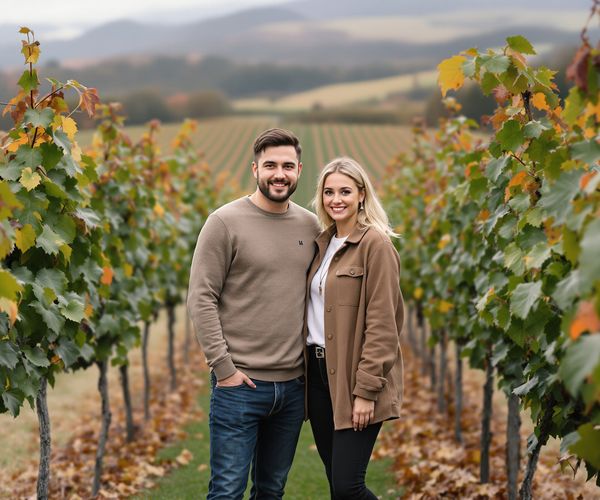
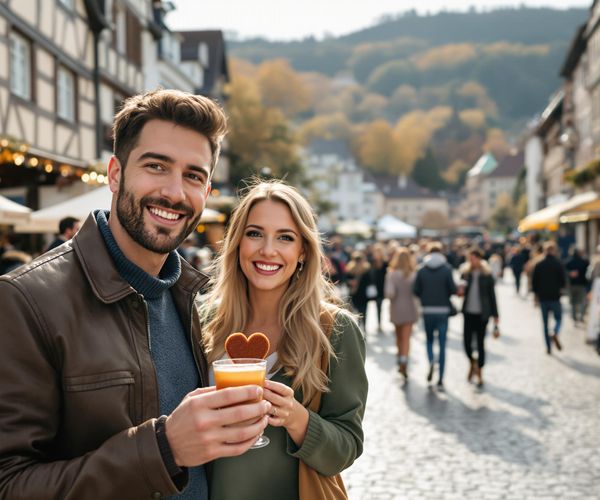
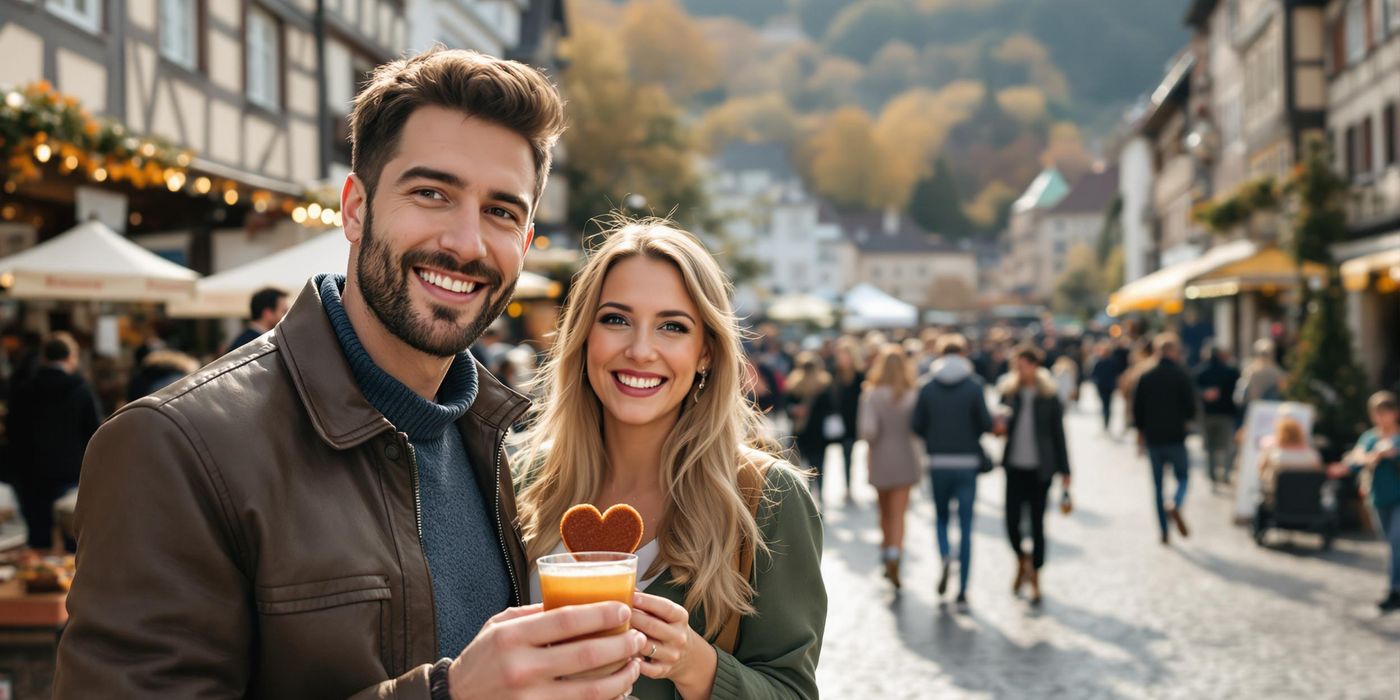
Think about it. You're not just watching a performance; you're participating in a ritual. You're not just tasting food; you're savoring a piece of history. In Heidelberg, I've loved attending the Heidelberger Herbst, a celebration of the season with local food and wine. Lena and I always make it a point to try something new, whether it's a regional wine we haven't heard of or a traditional dish prepared by a local family. It’s moments like these that truly make you feel like you're part of something special.
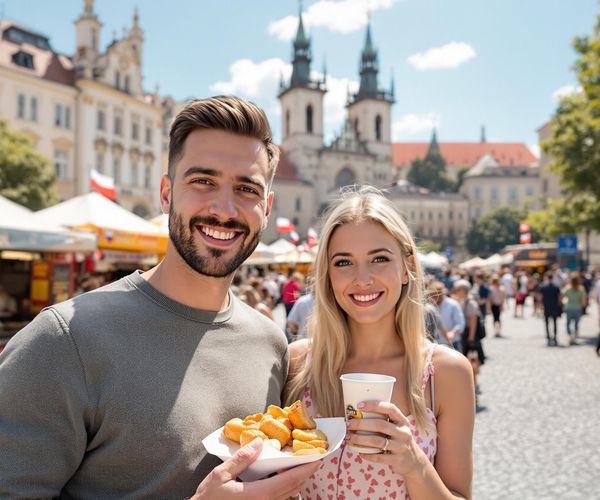
It's about experiencing the unadulterated joy and pride of the locals as they share their heritage with you. It’s about seeing the twinkle in a craftsman’s eye as he demonstrates an age-old technique, or the infectious rhythm of a folk band that makes you want to dance in the street. It's these authentic, unfiltered moments that make travel truly meaningful.
Planning and Preparation: Maximizing Your Festival Experience
Spontaneity has its charm, but a little planning goes a long way when it comes to festivals. Here’s how to make the most of your experience:
- Research festivals well in advance. Check dates, locations, and the cultural context. Is it a religious celebration? A harvest festival? Understanding the background will enrich your experience.
- Book accommodations and transportation early. Popular events can fill up quickly, especially in smaller towns. I learned this the hard way when Lena and I tried to find a place to stay during the Tyrolean Wine Festival. We ended up driving an hour each way every day!
- Pack smart. Comfortable clothing, sturdy footwear, and weather-appropriate gear are essential. Layers are your friend!
- Set a budget. Factor in tickets, food, souvenirs, and local transportation. It's easy to get carried away when you're surrounded by tempting treats and unique crafts.
Navigating Cultural Etiquette: Dos and Don'ts
Remember, you're a guest, and respecting local customs is paramount. Here are a few guidelines to keep in mind:
- Learn basic phrases in the local language. Even a simple “hello” and “thank you” can go a long way in showing respect and opening doors to meaningful interactions.
- Dress appropriately. Some festivals have specific attire requirements, while others may simply call for modest clothing. When we attended a traditional folk festival in Bavaria, Lena and I made sure to dress in Tracht (traditional Bavarian clothing) to show our respect for the local culture.
- Be mindful of personal space. Crowded festivals can be overwhelming, so be aware of your surroundings and avoid unnecessary physical contact.
- Drink responsibly. Know the local laws and customs regarding alcohol consumption, and avoid overindulging.
- Be culturally sensitive. Avoid making assumptions or generalizations about the local culture, and be open to learning from your experiences.
Capturing the Moment: Photography and Respect
Of course, you'll want to document your adventures, but remember to do so respectfully. Always seek permission before photographing people, especially during religious ceremonies. Be mindful of cultural sensitivities and avoid taking photos that could be considered disrespectful.
If you're unsure, err on the side of caution. Instead of snapping away indiscriminately, try journaling, sketching, or even just taking mental notes. Sometimes, the most powerful memories are the ones you don't capture on film.
Must-See European Festivals: Matthew's Recommendations
Alright, time for some personal recommendations! Here are a few European festivals that have left a lasting impression on me:
- Oktoberfest in Munich, Germany: The ultimate celebration of Bavarian culture, complete with beer, pretzels, and traditional music.
- Carnival of Venice, Italy: A mesmerizing display of masquerade balls, historical costumes, and Venetian charm.
- La Tomatina in Buñol, Spain: The world's largest food fight! Need I say more?
- Bastille Day in Paris, France: A vibrant celebration of French independence, with fireworks, parades, and street performances.
- Tyrolean Wine Festival, Austria: A smaller, more intimate event celebrating the region's delicious wines.
- St Dominic's Fair, Gdansk, Poland: One of the largest trade and cultural events in Europe, dating back to 1260.
- Edinburgh Festival Fringe, Scotland: The world's largest arts festival, showcasing a diverse range of performances and exhibitions.
- Tomorrowland, Belgium: For those who love electronic dance music, this is the place to be.
And of course, I can't forget the local festivals right here in Heidelberg! From wine festivals in the surrounding vineyards to Christmas markets in the Old Town, there's always something to celebrate.
Staying Safe and Healthy: Practical Tips
Festivals are all about fun, but it's important to prioritize your safety and well-being. Here are a few tips to keep in mind:
- Keep valuables secure. Use lockers or concealed pouches to protect your belongings from pickpockets.
- Stay connected. Consider purchasing a local SIM card or renting a portable Wi-Fi device to stay in touch with loved ones and access important information.
- Check health precautions. Depending on your destination, you may need vaccinations or other health precautions. Travel insurance is always a good idea.
- Have emergency contacts and important documents readily available. A backup plan can save you a lot of stress in case of unexpected situations.
Matthew Brown shares his guide to attending local European festivals. Get tips on planning, cultural etiquette, photography, and must-see events in Germany, Italy, Spain, and France.