Planning Your Wine Tasting Trip: Initial Considerations
So, you're dreaming of rolling hills, sun-drenched vines, and glasses filled with exquisite wine? Fantastic! But before you pack your bags, let's nail down some essential details. First, think about when you want to go and how long you want to be away. A long weekend might be perfect for a quick jaunt, while a week or two will allow you to explore multiple regions.
Next, let's talk budget. This isn't just about the cost of wine (though that's definitely a factor!). Consider flights, accommodation, transportation, tours, tastings, and of course, those irresistible bottles you'll want to bring home. Decide if you want to go all-inclusive or prefer to pay as you go. Europe offers something for every budget, from cozy B&Bs to luxurious wine estates.
Where to go? Europe is a wine lover's paradise, so choosing a region can feel overwhelming. Do you crave the rustic charm of Italy, the elegance of France, or the vibrant culture of Spain? What kind of experience are you after? A relaxed, romantic getaway? An educational deep dive into winemaking? Or perhaps a lively festival atmosphere?
Finally, timing is everything. The best time to visit a wine region depends on the climate and the events happening. Harvest season (usually late summer/early autumn) is a magical time, but it can also be crowded and more expensive. Spring and early summer offer pleasant weather and fewer tourists.
Choosing Your Wine Region: A European Focus
Okay, let's zoom in on Europe. Italy, France, and Spain are the undisputed heavyweights of the wine world, each offering a unique terroir and winemaking tradition.
In Italy, Tuscany is a classic choice, with its rolling hills, cypress trees, and world-renowned Chianti wines. Alternatively, Piedmont offers the robust flavors of Barolo and Barbaresco. France, of course, boasts the legendary Bordeaux region, famous for its Cabernet Sauvignon and Merlot blends. Burgundy, with its delicate Pinot Noir and Chardonnay, is another must-visit. And let's not forget Spain's Rioja, known for its Tempranillo-based wines and stunning landscapes.
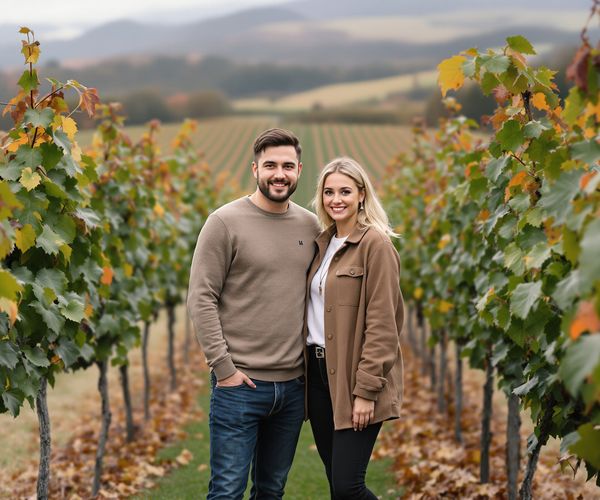
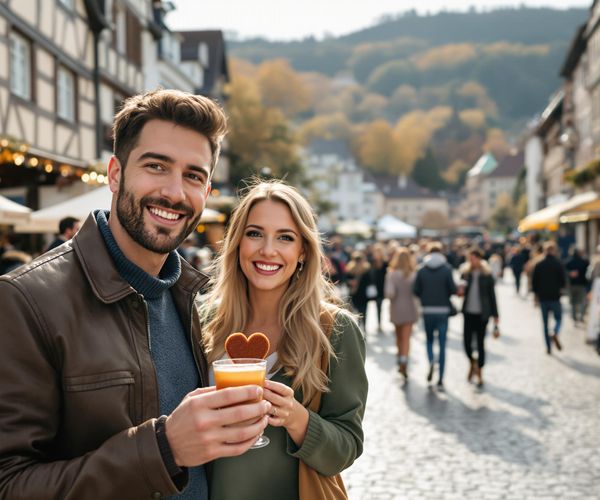
Of course, I have to mention the vineyards near my home in Heidelberg! The Baden region, where Heidelberg is located, is known for its excellent Riesling and Pinot Noir (Spätburgunder) wines. It's a fantastic starting point, and Lena and I have spent many happy afternoons exploring the local wineries. {image1}
Don't be afraid to venture off the beaten path, either! Lesser-known regions like Portugal's Douro Valley, Germany's Mosel Valley, or Austria's Wachau offer equally rewarding experiences with fewer crowds.
Pre-Trip Preparations: Research and Reservations
Once you've chosen your region, it's time to do some homework. Research the wineries in the area and what they specialize in. Some wineries offer accommodation, which can be a fantastic way to immerse yourself in the wine culture. Check how far they are from airports or hotels, too.
Transportation is another crucial consideration. Will you rent a car and explore at your own pace? Hire a chauffeur for a more luxurious experience? Or rely on public transport? (Pro tip: some wine regions have dedicated bus routes for vineyard hopping!).
Understand the difference between wine tours and tastings. A tour will usually take you through the vineyards and cellars, explaining the winemaking process. A tasting, on the other hand, focuses on sampling the wines. Book both in advance, especially during peak season. Many wineries now offer online booking, making it easier than ever to secure your spot.
Essential Wine Tasting Etiquette
Wine tasting is a delightful experience, but it's important to be respectful and mindful. Pace yourself! It's a marathon, not a sprint. Stay hydrated by drinking plenty of water between tastings.
Learn how to use the spittoon properly (it's not a wastebasket!). Avoid wearing strong fragrances, as they can interfere with the wine aromas. Ask questions! Winery staff are usually passionate and knowledgeable, and they're happy to share their expertise. Be punctual for tours and tastings. And finally, be aware of local customs and traditions. A little bit of research goes a long way.
Enhancing the Experience: What to Pack and Wear
Packing for a wine tasting trip requires a bit of thought. Comfortable and stylish clothing is key. Opt for layers, as temperatures can vary throughout the day. Consider the terrain, too. Sturdy shoes are a must for walking through vineyards.
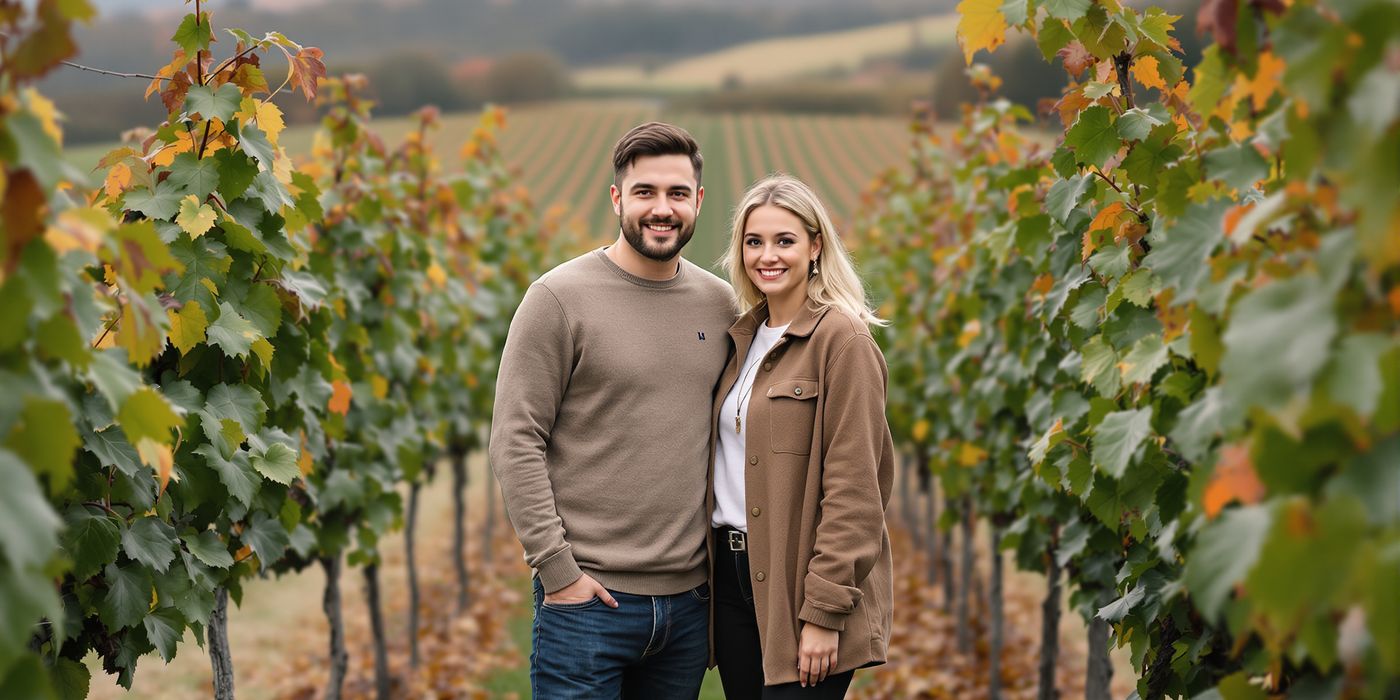
Don't forget essentials like a reusable water bottle, a notebook for jotting down your tasting notes, and lip balm (wine can be drying!). If you plan on buying wine (and let's be honest, you probably will!), bring a portable wine protector to safely transport your purchases. {image2}
And most importantly, bring your sense of adventure and your willingness to learn. Vineyard hopping is more than just drinking wine; it's about immersing yourself in the culture, meeting passionate people, and creating unforgettable memories.
Matthew shares his tips for planning a wine-tasting trip, from choosing a region to essential etiquette and packing advice.